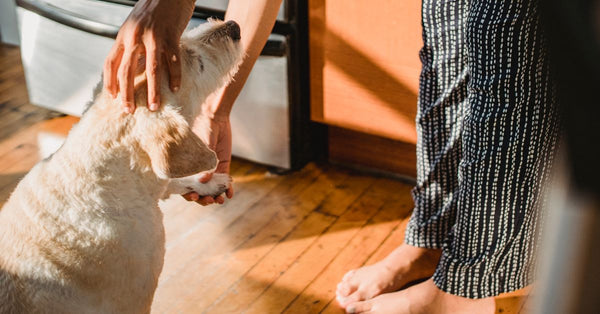
Watching your beloved dog enter their senior years can feel overwhelming, especially when you notice them slowing down or struggling with activities they once enjoyed effortlessly. The good news is that with thoughtful care and the right approach, you can help your older dog maintain their mobility and continue to live a fulfilling life.
Dogs typically transition to senior status around age seven, though this varies considerably by breed and size. During this phase, their physical capabilities naturally begin to change, making proactive mobility management essential. Rather than accepting reduced activity as inevitable, there's much you can do to support your dog's comfort and movement throughout their golden years.
The key lies in adapting rather than restricting. Your senior dog still needs exercise, mental stimulation, and social interaction. They just need these activities tailored to their changing abilities. With some simple modifications to their routine and environment, you can help them stay active and engaged for years to come.
Understanding Your Senior Dog's Changing Needs
Every dog ages at their own pace, but most begin showing signs of senior status around seven years old. Cross-breed dogs typically enjoy longer lifespans than their purebred counterparts, but individual variation means your dog's needs may differ from others of the same age or breed.
The transition to senior status doesn't happen overnight. You might notice subtle changes in how your dog moves after rest, their enthusiasm for long walks, or their recovery time after exercise. These changes are normal, but they signal the need for a more thoughtful approach to their daily care.
Understanding that your dog's capabilities are shifting rather than disappearing helps you make appropriate adjustments. They may need more time to warm up before activity, prefer shorter but more frequent outings, or require additional comfort measures during rest periods.
Signs your dog may be entering their senior years
Subtle Changes
Slightly longer recovery after exercise, occasional stiffness after lying down, minor reluctance to jump onto furniture
Noticeable Adjustments
Preferring shorter walks, taking longer to rise, showing less enthusiasm for vigorous play, needing help with stairs or car access
Veterinary Consultation Needed
Obvious difficulty moving, reluctance to walk, signs of discomfort during movement, significant behavioural changes
Adapting Exercise for Senior Dogs
Your senior dog still needs regular exercise, but the approach requires modification. The "little and often" principle works wonderfully for older dogs, providing the benefits of movement without overwhelming their changing capabilities.
Instead of one long walk, consider multiple shorter outings throughout the day. This approach prevents overexertion whilst maintaining the mental stimulation and social interaction that walks provide. Your dog still gets to explore new scents, see familiar sights, and interact with their environment, just in more manageable doses.
Practical Exercise Modifications
Start by observing your dog's natural energy patterns. Many senior dogs have specific times when they feel more energetic and others when they prefer to rest. Schedule walks and activities during these peak periods for the best results.
Consider investing in practical aids that reduce strain. Car ramps eliminate the need for jumping in and out of vehicles, whilst non-slip mats on smooth surfaces provide confidence and stability. These small changes can make a significant difference to your dog's willingness to stay active.
When traditional long walks become challenging, don't abandon outdoor time entirely. Even a gentle potter around the garden or a short stroll to the local shops provides valuable mental stimulation and maintains the routine your dog enjoys. Understanding appropriate exercise limits for your dog becomes particularly important during their senior years.
Mental Stimulation Alternatives
Physical limitations don't eliminate your dog's need for mental engagement. Puzzle feeders, treat-dispensing toys, and varied activities can provide extended entertainment when physical exercise becomes more limited.
Rotate toys regularly to maintain interest, and consider activities that engage their natural instincts. Sniffing games, gentle training sessions, or simply spending time in different environments can provide the mental stimulation your dog craves.
Creating a Comfortable Environment
Environmental modifications play a crucial role in supporting your senior dog's mobility. Small changes around your home can make movement easier and more comfortable, encouraging your dog to stay active.
Temperature regulation becomes increasingly important as dogs age. Provide appropriate protection from weather elements, including coats for cold and wet conditions. Their ability to maintain body temperature may diminish, making environmental comfort a priority.
Rest and Recovery Areas
Quality rest becomes more crucial as dogs age and recover more slowly from activity. Ensure your dog has access to quiet, comfortable resting areas away from household bustle and more energetic family members.
Orthopaedic bedding can provide additional joint support during rest periods. Place beds in warm, draft-free locations where your dog feels secure and can rest undisturbed when needed. For dogs experiencing stiffness, gentle warmth therapy techniques can provide additional comfort during rest periods.
Accessibility Improvements
Consider physical modifications that help your dog navigate their environment more easily. Ramps for garden access, raised feeding stations to reduce neck strain, and non-slip surfaces on stairs can all contribute to maintaining independence.
Good lighting in areas your dog frequently uses helps them navigate confidently, particularly if their eyesight is beginning to change. Night lights in hallways or near their sleeping area can prevent confusion during nighttime movements.
Nutritional Support for Senior Mobility
Around age seven, many dogs benefit from transitioning to senior-formulated diets. These provide appropriate nutrients whilst accounting for reduced activity levels and changing metabolic needs typical in older dogs.
Maintaining an appropriate weight becomes increasingly important for joint health. Extra weight places additional strain on already-changing joints, whilst being underweight may indicate underlying health issues requiring veterinary attention.
Feeding Adaptations
Consider offering smaller, more frequent meals rather than large portions. This approach can aid digestion and help maintain steady energy levels throughout the day, supporting consistent activity patterns.
Ensure constant access to fresh, clean drinking water, as older dogs may be more susceptible to dehydration. Some senior dogs prefer slightly elevated water bowls, which can make drinking more comfortable.
Joint-supporting supplements can play a valuable role in a comprehensive mobility plan. Products containing glucosamine, chondroitin, and green-lipped mussel can support joint health alongside appropriate veterinary care and lifestyle modifications. MedPaw's joint supplements for dogs can provide additional nutritional support for maintaining mobility through the senior years.
Monitoring Health and Recognising Changes
Regular health monitoring becomes increasingly important for senior dogs. Many changes attributed to "old age" may actually indicate treatable medical conditions, making early detection crucial for maintaining quality of life.
Routine veterinary check-ups enable early identification of health problems, which can be more effectively managed when caught early. Some veterinary practices offer dedicated senior pet clinics, providing specialised care tailored to older animals' specific needs. The RSPCA provides comprehensive guidance on caring for older dogs, including health monitoring recommendations.
Key changes requiring veterinary attention
| Mobility Signs | General Health Signs | Behavioural Changes |
|---|---|---|
| Reluctance to climb stairs | Significant appetite changes | Reduced playfulness |
| Stiffness after rest | Unexplained weight loss | Altered sleep patterns |
| Limping or altered gait | Excessive panting | Confusion or disorientation |
| Difficulty rising | Changes in bathroom habits | Reduced interest in walks |
For guidance only, not a diagnosis.
When to Seek Professional Advice
Don't wait for dramatic changes before consulting your vet. Subtle shifts in behaviour, mobility patterns, or general demeanour can indicate developing issues that respond better to early intervention.
Keep a simple diary of your dog's activities, noting good days and more challenging ones. This information helps your vet understand patterns and make appropriate recommendations for supporting your dog's comfort and mobility.
Long-term Mobility Planning
Taking a preventive approach to senior dog care can help maintain mobility for longer. This includes maintaining appropriate weight, providing regular gentle exercise, and addressing health concerns promptly rather than waiting for them to worsen.
Regularly assess your dog's quality of life, considering their comfort levels, interest in surroundings, appetite, and social engagement. A good quality of life includes comfortable movement and continued enjoyment of daily activities, even if these need to be adapted. The Government's Code of Practice for the Welfare of Dogs provides detailed guidance on maintaining welfare standards throughout a dog's life.
Establish relationships with veterinary professionals who understand senior dog care. This support network ensures you have expert guidance when making decisions about your dog's ongoing care and comfort.
Financial Considerations
Pet insurance becomes particularly valuable for senior dogs, as veterinary costs can increase with age-related health issues. Having coverage in place ensures you can provide necessary care when your dog needs it most, without financial constraints affecting treatment decisions.
Maintaining Quality of Life
Success in keeping your senior dog mobile depends on observing their changing needs and making appropriate adjustments to their routine and environment. Every dog ages differently, making individualised care plans essential for the best outcomes.
Remember that maintaining mobility isn't just about physical capability. It's about preserving your dog's independence, confidence, and enjoyment of life. Small adaptations can make enormous differences to how your dog feels and functions day to day.
Working closely with veterinary professionals ensures your senior dog receives appropriate care to maintain the best possible quality of life throughout their golden years. With thoughtful management and the right support, many senior dogs continue to enjoy active, comfortable lives well into their later years.