Watching your dog struggle with back pain or mobility issues can be deeply worrying, especially when you're not sure what's causing their discomfort. If your dog has been diagnosed with IVDD, or you're concerned they might have this condition, understanding what it means and how to support them can provide some much-needed reassurance.
Intervertebral disc disease, commonly known as IVDD, is the most frequently seen spinal condition in dogs. It affects the cushioning discs between the vertebrae in your dog's spine, which normally act as shock absorbers and allow flexible movement. When these discs become damaged or slip out of place, they can press on the spinal cord, causing anything from mild discomfort to severe pain and mobility problems.
The good news is that IVDD can be managed effectively when caught early, and many dogs go on to live comfortable, active lives with proper veterinary care and support. Let's explore what you need to know about recognising the signs, understanding treatment options, and supporting your dog through recovery.
Understanding How IVDD Develops
Your dog's spine contains cushioning discs between each vertebra, made up of a tough outer ring and a jelly-like centre. These discs are essential for protecting the spinal cord whilst allowing your dog to bend, twist, and move naturally.
In IVDD, these discs gradually lose their flexibility and become hard and brittle over time. Eventually, they may bulge, rupture, or slip out of position, putting pressure on the delicate spinal cord above. This compression causes the pain and mobility problems associated with the condition.
There are different ways this can happen. Some dogs experience a sudden rupture where the disc material "explodes" upwards, often triggered by normal movements like jumping or twisting. Others develop a slower bulging process that creates symptoms gradually over weeks or months.
Types of IVDD and their characteristics
| Type | Onset | Most Common In | Age Range |
|---|---|---|---|
| Hansen Type I | Sudden rupture | Small, short-legged breeds | 2+ years |
| Hansen Type II | Gradual bulging | Medium to large breeds | 5-12 years |
| Hansen Type III | Trauma-related | Any breed | Any age |
For guidance only, not a diagnosis.
Which Dogs Are Most at Risk
Whilst IVDD can affect any dog, certain breeds are much more prone to developing the condition. Dogs with short legs and long backs, known as chondrodystrophic breeds, are particularly vulnerable because their discs tend to degenerate earlier in life.
Breeds at higher risk include:
- Dachshunds (often called "sausage dogs")
- Basset Hounds
- French Bulldogs
- Pugs and Pekingese
- Shih Tzus
- Cocker Spaniels
- Beagles
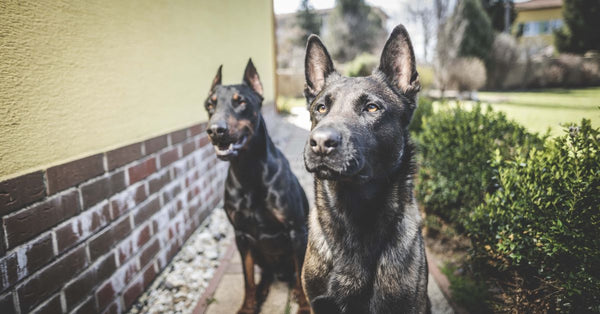
Larger breeds like Labradors, German Shepherds, and Dobermans can also develop IVDD, though they typically experience the gradual type that develops over months rather than sudden ruptures. Research into the genetic factors behind IVDD continues to help us understand why certain breeds are more susceptible.
If you have one of these breeds, it doesn't mean your dog will definitely develop IVDD, but being aware of the early warning signs can help you spot any problems quickly.
Recognising the Early Warning Signs
The first signs of IVDD are often subtle, and many owners initially mistake them for general stiffness or reluctance to exercise. However, pain is usually the earliest symptom, and dogs may show this in ways that aren't immediately obvious.
Watch for these early indicators:
- Yelping or crying out, especially when picked up or moving
- A hunched posture with head held low
- Shivering or panting when not hot or excited
- Reluctance to go up stairs or jump onto furniture
- Moving more slowly or carefully than usual
- Unwillingness to turn their head or look up (if the neck is affected)
When Symptoms Become More Serious
As IVDD progresses, the symptoms can become more severe and may develop quite rapidly. These more advanced signs indicate that the spinal cord is under significant pressure and require immediate veterinary attention.
Progressive symptoms include:
- Difficulty walking or a "wobbly" gait
- Weakness in the hind legs (or all four legs if the neck is affected)
- Dragging paws or knuckling over
- Loss of coordination
- Difficulty controlling urination
- Complete inability to move the legs
The location of the affected disc determines which parts of your dog's body will be impacted. Problems in the lower back typically affect the hind legs, whilst neck issues can cause weakness in all four limbs.
IVDD severity progression and urgency levels
Pain Only
Discomfort and reluctance to move, but no weakness. Can often be managed conservatively with rest and medication.
Weakness Developing
Wobbly gait, difficulty walking, but still mobile. Requires prompt veterinary assessment and possible surgery.
Paralysis or Loss of Sensation
Cannot move legs or feel pain in affected limbs. Surgical emergency requiring immediate treatment within 24 hours.
When to Contact Your Vet
Timing is crucial with IVDD, as early intervention can prevent the condition from progressing to more severe stages. Don't wait to see if symptoms improve on their own, as this can significantly impact your dog's chances of full recovery.
Contact your vet immediately if your dog:
- Cannot walk or is showing signs of paralysis
- Has lost the ability to feel pain in their paws
- Cannot urinate or has lost bladder control
- Is in severe pain despite rest
- Has developed symptoms suddenly
Even for milder symptoms like reluctance to move or changes in posture, it's worth scheduling a prompt appointment. Your vet can assess whether the signs are consistent with IVDD and recommend the most appropriate course of action.
How IVDD is Diagnosed
Your vet will start with a thorough physical examination, checking your dog's posture, gait, and neurological responses. They'll test reflexes and assess your dog's ability to feel sensations in different parts of their body.
However, confirming IVDD requires advanced imaging. MRI scans are considered the gold standard because they provide detailed images of the spine, spinal cord, and surrounding tissues. These scans require general anaesthesia as your dog must remain completely still during the procedure.
X-rays may also be taken to rule out other conditions like fractures, though they can't show the spinal cord or disc material directly. Blood tests might be recommended to ensure your dog is healthy enough for treatment and to rule out other causes of their symptoms.
Treatment Options: Conservative vs Surgical
The treatment your vet recommends will depend on the severity of your dog's symptoms and how quickly they developed. There are two main approaches: conservative management and surgical intervention.
Conservative Treatment
For dogs with mild symptoms or those who are not good surgical candidates, conservative treatment focuses on allowing the disc to heal naturally whilst managing pain and preventing further damage. Recent research from Cambridge University has shown promising results for conservative management in many IVDD cases.
Conservative treatment typically includes:
- Strict crate rest for several weeks
- Pain relief medications
- Anti-inflammatory drugs to reduce swelling
- Sometimes sedatives to ensure your dog rests properly
- Controlled physiotherapy once appropriate
The most crucial element is rest. This means confining your dog to a small space where they cannot jump, run, or twist their spine. It may seem harsh, but this restriction is essential for allowing the disc to heal and preventing further extrusion of disc material.
Surgical Treatment
Surgery is typically recommended for dogs with severe symptoms, those who haven't responded to conservative treatment, or cases where there's paralysis or loss of sensation. The goal is to remove the pressure on the spinal cord and prevent further damage.
There are different surgical techniques, but they generally involve either removing the herniated disc material that's compressing the spinal cord or creating more space around the spinal cord to relieve pressure.
Surgery usually takes between one and three hours, depending on the complexity of the case, and requires several days of hospitalisation for monitoring and initial recovery.
Recovery and What to Expect
Recovery from IVDD varies significantly between individual dogs and can take anywhere from several weeks to several months. The severity of the initial symptoms and how quickly treatment was started both play important roles in determining the outcome.
Dogs with mild to moderate symptoms generally have excellent recovery prospects, with many returning to near-normal activity levels. However, those who have lost the ability to feel pain in their limbs face a more guarded prognosis and require emergency surgery within 24 hours for the best chance of recovery.
During recovery, your dog will need:
- Continued rest and restricted activity as directed by your vet
- Regular pain management
- Physiotherapy and rehabilitation exercises
- Possible assistance with bladder and bowel functions
- Regular check-ups to monitor progress
Some dogs may need mobility aids like slings or carts if paralysis persists, but many owners are surprised by how well their dogs adapt to these devices and continue to enjoy life.
Supporting Your Dog at Home
Whether your dog is receiving conservative treatment or recovering from surgery, there's a lot you can do at home to support their healing and comfort.
Create a safe, comfortable environment with non-slip surfaces to prevent falls. Soft bedding helps prevent pressure sores, especially for dogs who are spending extended periods lying down. If your dog is incontinent, waterproof bedding and regular cleaning will help maintain their dignity and prevent skin problems.
Weight management becomes particularly important during recovery, as excess weight puts additional strain on the spine. Your vet may recommend a specific diet or feeding schedule to help maintain an appropriate weight whilst your dog's activity is restricted.
Follow your vet's instructions about exercise restrictions carefully. It can be heartbreaking to see your active dog confined, but premature return to normal activity can undo weeks of healing and potentially worsen the condition. Understanding appropriate exercise levels for dogs becomes crucial during this recovery period.
Long-term Management and Prevention
Once your dog has recovered from IVDD, there are steps you can take to reduce the risk of recurrence and support their ongoing spinal health.
Maintaining an appropriate weight is one of the most important factors, as excess weight increases pressure on the spine. Regular, gentle exercise helps maintain muscle strength and flexibility, but avoid high-impact activities like jumping from heights or rough play.
Consider making these adjustments:
- Use ramps instead of stairs where possible
- Provide supportive bedding
- Avoid activities that involve twisting or jumping
- Monitor for early signs of recurrence
- Maintain regular veterinary check-ups
Supporting your dog's overall joint health becomes particularly important after IVDD recovery. MedPaw's joint supplements for dogs contains ingredients like glucosamine and chondroitin that may help support cartilage health and overall joint function, though they should be used alongside, not instead of, proper veterinary care.
For dogs recovering from IVDD, gentle warmth therapy and massage can provide comfort and help maintain muscle tone during the recovery period.
The Financial Aspect
IVDD treatment costs can vary significantly depending on the severity and chosen treatment approach. Conservative management is generally less expensive, whilst surgical intervention can be substantial, with total costs potentially reaching several thousand pounds including diagnostics and aftercare.
Pet insurance can provide valuable financial support, but it's important to arrange cover before any symptoms develop, as IVDD would then be considered a pre-existing condition. For breeds known to be at higher risk, early insurance coverage is particularly worth considering.
Remember that whilst the initial costs may seem daunting, IVDD can be managed effectively when approached appropriately. Early intervention not only improves your dog's chances of full recovery but can also reduce the overall cost of treatment by preventing the need for emergency surgery.
With proper care and management, most dogs with IVDD can return to comfortable, active lives. The key is recognising the early signs, seeking prompt veterinary care, and following through with the recommended treatment plan. Your dedication to your dog's recovery makes all the difference in their journey back to health and happiness.