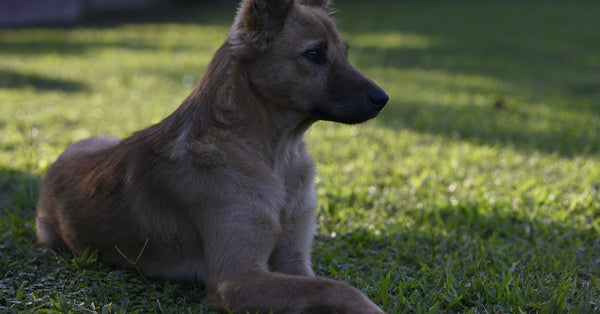
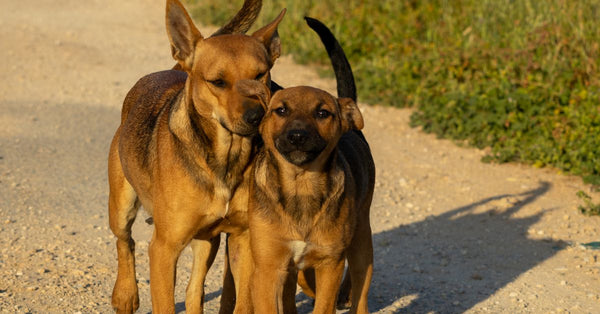
German Shepherds are magnificent dogs, known for their intelligence, loyalty, and athletic ability. However, their impressive stature and active nature come with a price. These wonderful companions are particularly prone to joint problems that can affect their mobility and comfort throughout their lives.
As a German Shepherd owner, understanding your dog's joint health vulnerabilities is essential for providing the best possible care. The breed's genetics, combined with their size and working heritage, create unique challenges that require thoughtful management from puppyhood through their senior years.
Whilst joint problems in German Shepherds can seem daunting, early recognition and proper support can make a real difference to your dog's quality of life. Let's explore what you need to know about keeping your German Shepherd comfortable and mobile.
Why German Shepherds Are Vulnerable to Joint Problems
German Shepherds face joint challenges due to several interconnected factors. Their large size naturally places more stress on joints, whilst their breeding history as working dogs has emphasised traits that can sometimes compromise joint health.
The breed's distinctive conformation, including the sloping back and angulated hindquarters often seen in show lines, can contribute to uneven weight distribution and increased stress on certain joints. This structural design, whilst part of the breed standard, may predispose dogs to spinal issues and other common joint problems.
Genetics play a significant role, with many joint conditions being hereditary. Responsible breeders conduct health screening, but even well-bred dogs can develop problems due to the complex nature of joint development and the multiple genes involved.
Common joint problems affecting German Shepherds by frequency and typical age of onset
Hip Dysplasia: The Most Common Concern
Hip dysplasia affects many German Shepherds and occurs when the ball and socket of the hip joint don't develop or align properly. Instead of smooth movement, the bones rub against each other, causing progressive damage and eventual arthritis.
The condition has a strong genetic component, but environmental factors during puppyhood can influence its severity. Rapid growth, poor nutrition, excessive weight, and inappropriate exercise during development can all worsen the condition.
Recognising Early Signs
Hip dysplasia symptoms can be subtle at first, making early recognition challenging. Watch for reluctance to rise, jump, or climb stairs, particularly after rest periods. You might notice a distinctive "bunny hopping" gait when your dog runs, where both back legs move together rather than alternating.
Swaying or unsteady movement in the hindquarters is another early indicator, along with decreased activity levels or exercise intolerance. Some dogs show difficulty getting comfortable when lying down, frequently shifting position or seeming restless.
As the condition progresses, you may observe decreased range of motion in the hips and sensitivity around the hip area. Secondary compensation issues can develop, affecting other parts of the body as your dog adjusts their movement to avoid discomfort. If you notice any of these signs, speak to your vet for proper assessment and guidance.
Elbow Dysplasia and Front Leg Problems
Elbow dysplasia results from abnormal development in the complex elbow joint, which comprises three bones that must align perfectly for smooth movement. When these bones don't develop or grow properly, it creates uneven joint loading and eventual cartilage damage.
This condition can be diagnosed as early as four to six months of age, though some cases aren't identified until middle age when arthritis becomes more apparent. The genetic component is strong, but environmental factors during rapid growth phases can influence severity.
Front Leg Lameness Indicators
Elbow problems typically show up as lameness or limping, particularly after exercise or first thing in the morning. You might notice stiffness in the front legs that improves with gentle movement, or reluctance to bear full weight on the affected limb.
Swelling around the elbow joint may be visible or detectable through gentle palpation, and your dog may show discomfort when the elbow is manipulated. Reduced range of motion in the front legs can affect your dog's ability to stretch or reach comfortably.
Cruciate Ligament Disease
Cranial cruciate ligament disease affects the stifle (knee) joint and is a leading cause of hind limb lameness in German Shepherds. Unlike human ACL injuries that typically result from trauma, canine cruciate tears usually develop from gradual ligament degeneration.
The ligament weakens over time until it eventually tears, either partially or completely. Large breed dogs like German Shepherds face higher risk, and many dogs who tear the cruciate in one knee will develop the same problem in the opposite leg.
Symptoms include sudden onset of lameness in the hind leg, difficulty rising from lying positions, and reluctance to put full weight on the affected leg. You might hear clicking sounds when your dog walks, and muscle atrophy in the affected leg can develop over time.
Arthritis: The Progressive Challenge
Arthritis commonly develops as a secondary condition following joint injuries or as a result of normal wear and tear over time. In German Shepherds, it most frequently affects the hips and elbows but can occur in any joint.
The condition involves inflammation and deterioration of joint cartilage, leading to stiffness and reduced mobility. Early intervention can significantly slow progression and help maintain comfort levels.
Recognising Arthritic Changes
Stiffness, particularly after periods of rest, is often the first sign of developing arthritis. Your dog may struggle with stairs or jumping, show reduced activity levels, or display changes in gait patterns.
Behavioural changes such as irritability, withdrawal from family activities, or reluctance to be touched around certain areas can indicate discomfort. Some dogs become less social or show decreased interest in play and exercise.
When to contact your veterinarian about joint concerns
Mild stiffness after rest
Occasional stiffness that improves with gentle movement. Continue monitoring and consider routine check-up.
Persistent lameness or discomfort
Ongoing limping, reluctance to exercise, or difficulty with stairs. Book veterinary appointment within days.
Sudden severe lameness
Acute onset of non-weight bearing lameness, visible discomfort, or complete inability to move. Contact vet immediately.
Risk Factors You Can Influence
Whilst genetics cannot be changed, several factors within your control can significantly impact your German Shepherd's joint health. Understanding these helps you make informed decisions about your dog's care throughout their life.
Weight management is perhaps the most important controllable factor. Even small amounts of excess weight place disproportionate stress on joints, accelerating wear and worsening symptoms in dogs with existing conditions.
Exercise and Activity Considerations
German Shepherds require both physical and mental stimulation, but exercise should be appropriate for joint health. Low-impact activities such as swimming, controlled walking, and gentle play are preferable to high-impact jumping or running on hard surfaces.
Consistency matters more than intensity. Regular, moderate exercise is better than sporadic intense activity. For dogs with existing joint problems, exercise should be tailored to their comfort level, with short, frequent walks often being more beneficial than long hikes.
During puppyhood, avoiding excessive high-impact exercise is crucial whilst joints are still developing. This doesn't mean restricting all activity, but rather providing appropriate exercise that builds strength without causing damage.
Creating a Supportive Environment
Simple environmental modifications can significantly improve your German Shepherd's comfort and mobility. These changes become increasingly important as dogs age or develop joint problems.
Providing orthopaedic bedding supports joints during rest periods, whilst ramps can replace stairs where possible. Non-slip surfaces on smooth floors help prevent slipping and reduce joint stress during movement.
Consider raised food and water bowls to reduce neck strain, particularly for older dogs or those with spinal issues. Maintaining a warm, dry environment helps, as cold and damp conditions can worsen joint stiffness.
Supportive Care Options
Various supportive measures can complement veterinary care in managing joint problems. Professional canine physiotherapy helps maintain joint mobility, strengthen supporting muscles, and support comfort through targeted exercises and techniques.
Hydrotherapy, including swimming and underwater treadmill work, provides excellent low-impact exercise that supports joint health whilst building muscle strength. Many dogs find water-based exercise enjoyable and less stressful on their joints.
Massage therapy can improve circulation and reduce muscle tension, whilst appropriate heat and cold therapy may help support comfort when used correctly under professional guidance.
Nutrition and Joint Support
Proper nutrition plays a vital role in joint health throughout your German Shepherd's life. During puppyhood, controlled nutrition helps ensure appropriate growth rates, preventing the rapid development that can worsen joint problems.
In adult dogs, maintaining optimal body condition reduces joint stress and may slow the progression of existing conditions. Work with your veterinarian to determine your dog's ideal weight and develop an appropriate feeding plan.
Joint supplements containing ingredients such as glucosamine, chondroitin, and green-lipped mussel may provide supportive benefits as part of a comprehensive care plan. MedPaw's hip and joint supplement contains these key ingredients and works by supporting cartilage health, potentially helping to maintain joint comfort and mobility.
However, supplements should be viewed as complementary to, not replacements for, proper veterinary care. Always discuss any supplements with your veterinarian before use, as they can advise on appropriate products for your individual dog.
Working with Your Veterinary Team
Early intervention is crucial for managing joint problems effectively. Don't wait for symptoms to worsen. Early diagnosis and intervention can significantly improve outcomes and quality of life for your German Shepherd.
Regular veterinary check-ups allow for early detection of developing problems, even before symptoms become apparent to owners. Your vet can assess joint health, monitor any changes, and recommend appropriate interventions.
Diagnostic approaches typically involve comprehensive physical examination, including manipulation of joints to assess range of motion, stability, and comfort response. Imaging studies such as X-rays help evaluate joint structure and identify abnormalities.
Treatment Approaches
Treatment options vary depending on the specific condition, severity, and individual circumstances. Conservative management often includes medications as prescribed by your veterinarian, weight management programmes, and controlled exercise regimens.
For severe cases, surgical interventions may be recommended, including joint replacement, corrective procedures, or arthroscopic surgery. The choice depends on factors such as your dog's age, size, activity level, and overall health.
Custom-fitted braces or orthotic devices may help provide joint support and stability in appropriate cases, though these should only be used under veterinary guidance as part of a comprehensive treatment plan.
Long-term Management and Prevention
Joint health is a lifelong consideration for German Shepherd owners, requiring proactive management from puppyhood through senior years. Whilst genetic predispositions cannot be changed, several strategies can help support joint health or delay the onset of joint problems.
Choosing puppies from health-tested parents with appropriate screening certificates provides the best foundation for joint health. Maintaining appropriate nutrition during growth phases and providing regular, appropriate exercise throughout life supports ongoing joint health.
Consistent monitoring of body weight and regular veterinary check-ups enable early detection and intervention. Being aware of early signs of joint problems and monitoring for these symptoms helps ensure prompt attention when problems develop.
Remember that many German Shepherds with joint problems can maintain excellent quality of life with appropriate management. The key is understanding the challenges, working closely with your veterinary team, and implementing supportive measures tailored to your individual dog's needs.
What are the first signs of hip dysplasia in German Shepherds?
Early signs include reluctance to rise, jump, or climb stairs, particularly after rest periods. You might notice a distinctive 'bunny hopping' gait when your dog runs, where both back legs move together rather than alternating. Other indicators include swaying or unsteady movement in the hindquarters, decreased activity levels, and difficulty getting comfortable when lying down.
Can I prevent joint problems in my German Shepherd puppy?
Whilst genetics play a major role, you can influence several factors that support joint health. Maintain appropriate nutrition during growth to prevent rapid development, avoid excessive high-impact exercise whilst joints are developing, and keep your puppy at an optimal weight. Choosing a puppy from health-tested parents also provides the best foundation for joint health.
How much exercise should I give my German Shepherd with joint problems?
Exercise should be tailored to your dog's comfort level, with regular moderate activity being better than sporadic intense sessions. Low-impact activities like swimming, controlled walking, and gentle play are preferable to high-impact jumping or running on hard surfaces. If your dog shows signs of joint discomfort, speak to your vet about developing an appropriate exercise plan.
When should I take my German Shepherd to the vet for joint concerns?
Contact your vet if you notice persistent lameness, ongoing limping, reluctance to exercise, or difficulty with stairs that lasts more than a day or two. Sudden severe lameness or complete inability to bear weight requires immediate veterinary attention. Even mild stiffness that doesn't improve should be discussed at your next routine check-up.
Do joint supplements really help German Shepherds with joint problems?
Joint supplements containing ingredients like glucosamine, chondroitin, and green-lipped mussel may help support cartilage health and maintain joint comfort as part of a comprehensive care plan. However, they should be viewed as complementary to proper veterinary care, not as replacements for it. Always discuss any supplements with your veterinarian before use to ensure they're appropriate for your individual dog.