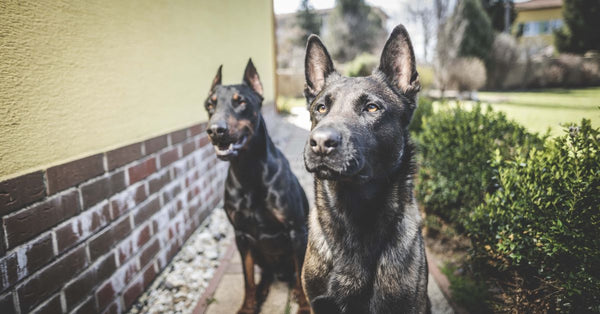
Watching your beloved dog enter their senior years can bring a mix of emotions. You might notice they're slowing down a bit, perhaps sleeping more, or showing less enthusiasm for their usual walks. These changes are natural, but they also signal that your dog's nutritional needs are evolving too.
Just as we humans require different nutrition as we age, our canine companions benefit from dietary adjustments that support their changing bodies. Understanding when and how to adapt your senior dog's diet can make a significant difference to their comfort, energy levels, and overall quality of life during their golden years.
The good news is that with the right nutritional approach, many age-related challenges can be managed effectively. Let's explore what senior dog nutrition really means and how you can best support your faithful friend through this important life stage.
When Does Your Dog Become a Senior
The transition to senior status isn't marked by a specific birthday but varies considerably depending on your dog's size and breed. Generally, dogs are considered mature when they reach half of their anticipated life expectancy, and senior when they enter the last quarter of their expected lifespan.
Large and giant breed dogs typically reach senior status between 5-8 years of age. Their larger bodies tend to age more quickly, meaning a Great Dane or German Shepherd might be considered senior whilst a Chihuahua of the same age is still in their prime.
Small breed dogs, on the other hand, don't usually reach senior status until 10-11 years of age. These compact companions often enjoy longer lifespans, with many small breeds living well into their teens.
The term geriatric applies when a dog has lived beyond the average lifespan for their breed and size. These remarkable dogs require even more specialised care and attention to their nutritional needs.
How Energy Needs Change with Age
One of the most significant changes in senior dogs is their reduced energy requirements. As dogs age, their metabolism naturally slows down, reflecting changes in activity levels and body composition.
This reduction occurs because senior dogs are typically less active, have slower metabolisms, and may have reduced muscle mass compared to their younger selves. The decrease in energy needs is a natural adaptation that reflects their changing lifestyle and physical requirements.
How energy needs change as dogs age
Understanding this metabolic shift is crucial because many owners continue feeding their senior dogs the same portions they've always received. This well-intentioned approach can lead to gradual weight gain, which becomes increasingly problematic as dogs age.
The reduced energy needs don't mean your dog is unwell or declining rapidly. Rather, it's a natural adaptation that reflects their changing lifestyle and physical requirements.
Why Weight Management Becomes Critical
Weight management takes on heightened importance for senior dogs. Carrying extra weight creates a cascade of health challenges that can significantly impact their quality of life.
Excess weight puts additional strain on the heart, internal organs, and particularly the joints. This is especially problematic for senior dogs, as joint stiffness and discomfort naturally increase with age. An overweight senior dog may struggle to get up, walk, or engage in activities they once enjoyed.
The impact on joint health cannot be overstated. When joints are already experiencing age-related changes, the added pressure from extra weight can accelerate discomfort and reduce mobility. This creates a challenging cycle where reduced activity leads to further weight gain, which in turn makes movement even more difficult.
Maintaining an appropriate weight can help slow the progression of age-related changes and potentially support your dog's overall wellbeing. This doesn't mean drastically reducing your dog's food, but rather ensuring their caloric intake matches their current needs rather than their younger, more active requirements.
Essential Nutritional Requirements for Senior Dogs
The Importance of Quality Protein
Protein becomes increasingly critical for maintaining good physical health as dogs age. Senior dogs need adequate protein to maintain muscle mass and support their ageing bodies, but the quality of that protein matters more than ever.
Whilst the optimal amount of protein for senior dogs remains under discussion among veterinary nutritionists, there's clear agreement that higher protein quality is essential. Senior dogs' bodies may not process nutrients as efficiently as they once did, making every gram of protein more valuable.
However, it's important to note that once kidney function becomes compromised, protein and phosphorus levels in the diet should be re-evaluated by a veterinarian. This is why regular health monitoring becomes so important for senior dogs.
Characteristics of Senior Dog Foods
Senior dog foods are typically formulated with several key characteristics that distinguish them from standard adult formulations. These foods generally have lower calorie density, meaning fewer calories per cup or tin, which helps accommodate reduced energy needs.
High-quality, easy-to-digest ingredients become paramount, allowing senior dogs' bodies to use nutrients more effectively. The digestive system may not work as efficiently as it once did, making ingredient quality crucial for proper nutrition absorption.
Many senior foods also feature carefully designed kibble shape, size, and hardness to accommodate potential dental issues. The goal is to provide older dogs with nutrition that their bodies can process and utilise more easily than standard adult formulations.
Practical Feeding Strategies for Senior Dogs
Making the Transition to Senior Food
The ideal time to move to senior pet food is when your dog reaches the senior age range for their size, but it's never too late to make the switch. Any dietary changes should be made gradually over 7-10 days to prevent digestive upset.
Start by adding small amounts of the new food to your dog's current food, gradually increasing the new food whilst reducing the previous one until the transition is complete. This gentle approach allows your dog's digestive system to adjust without causing stomach upset or food refusal.
Portion Control and Feeding Schedules
Portion feeding plays a crucial role in managing older pets effectively. Shifting from free-feeding, where food is left out all the time, to delivering daily nutrients in two or more scheduled meals offers several advantages.
Scheduled feeding allows you to monitor whether your dog is eating all their food, better control daily calorie intake, and quickly identify appetite changes that might signal health problems. These early warning signs can be invaluable for catching health issues before they become serious.
Consider dividing the daily food volume into two, three, or four small meals depending on your schedule. Don't rely solely on feeding charts on product labels for more than a couple of weeks, as these can overestimate appropriate portions for individual dogs.
Signs that may indicate when to contact your vet
Gradual Changes
Slight decrease in appetite, minor weight changes, or reduced activity levels that develop slowly over weeks.
Notable Changes
Significant weight loss, persistent appetite changes, difficulty eating, or noticeable mobility issues.
Immediate Attention
Rapid weight loss, complete loss of appetite, severe dental pain, or sudden mobility problems.
Hydration Management
Water is the most important nutrient for dogs of any age, but senior dogs are more prone to dehydration because they may forget to drink or have reduced awareness of thirst. Ensuring regular access to fresh, clean water becomes even more critical.
Monitor water intake by checking how much water remains in the bowl throughout the day. Clean and freshen water bowls regularly to eliminate debris that might deter drinking, as senior dogs can be more sensitive to water quality.
To increase water intake, consider offering wet tinned food or foods with high moisture content. You might also add ice cubes to the water bowl or consider a pet drinking fountain, especially if your dog has always preferred running water.
Managing Treats and Snacks
Include treats and snacks in discussions about appropriate nutrition for senior dogs. Many commercial dog treats are high in calories, essentially serving as "junk food" for our canine companions. This becomes particularly problematic when senior dogs need fewer calories overall.
Choose low-calorie treats or healthy alternatives such as water-based vegetables. Fresh or frozen green beans, carrots, cucumbers, broccoli, and lettuce can make excellent low-calorie treats.
Fresh or frozen fruits also work well in small servings. Consider small pieces of apples, bananas, oranges, or berries as occasional treats. These natural options provide vitamins and minerals whilst keeping calorie content manageable.
Avoid table scraps, which are not nutritionally balanced and may contain high levels of fat and sodium that can be particularly problematic for senior dogs with sensitive digestive systems or underlying health conditions.
Age-Related Health Considerations
Joint Health and Mobility Support
As dogs age, their joints may become stiff and cause discomfort. This natural ageing process can significantly impact their quality of life when daily activities become difficult. Maintaining appropriate body weight becomes crucial, as extra pounds make joint problems considerably worse.
Overweight senior dogs may struggle to get up and move around, creating a cycle where reduced activity leads to further weight gain. Supporting joint health through proper nutrition and weight management can help maintain mobility and comfort throughout the senior years.
Joint support supplements containing ingredients like glucosamine and chondroitin may help support joint health alongside a balanced diet. MedPaw's hip and joint supplement provides targeted nutritional support specifically formulated for dogs experiencing age-related joint changes. If you notice any signs of joint discomfort or mobility issues, it's worth speaking to your vet about the best approach for your dog.
Dental Health Impact on Nutrition
Dental problems are common in senior dogs, including missing teeth, gum disease, and tooth decay. These issues can significantly affect appetite and eating ability, making nutrition management more challenging.
If dental problems are present, consider switching to soft-textured foods with high moisture content, such as wet tinned food or jelly pouches. These allow comfortable eating even with missing teeth or sensitive gums.
Regular dental care remains important throughout your dog's senior years. Poor dental health can affect not only eating but also overall health, as bacteria from dental disease can impact other organs. If you notice signs of dental discomfort or difficulty eating, speak to your vet about the best approach.
Digestive Changes
Senior dogs may experience changes in their digestive efficiency, making high-quality, easily digestible ingredients more important than ever. Their bodies may not process nutrients as effectively as when they were younger, making the quality of their diet crucial for maintaining health.
Some senior dogs may benefit from smaller, more frequent meals to aid digestion. Others might need foods with specific ingredient profiles to support sensitive stomachs or other digestive concerns that can develop with age.
Working with Your Veterinarian
Before switching to senior dog food, consult with your dog's veterinarian for a thorough physical and metabolic evaluation. A typical senior pet visit should include a complete physical examination, thorough diet history, blood tests, and a urine sample for analysis.
Schedule twice-yearly assessments with your veterinarian to help identify emerging medical conditions in senior dogs. Many diseases common in older dogs can be detected early, allowing for better management and outcomes.
Your veterinarian can provide specific portion recommendations tailored to your dog's individual needs and show you how to assess your dog's body condition score at home. They can also recommend foods with specific nutrient profiles to support any age-related conditions your dog may develop.
Contact your veterinarian if you notice rapid weight loss, decreased or absent appetite, bad breath or dental problems, changes in coat condition, any lumps or bumps, significant changes in water intake, or changes in mobility or apparent joint discomfort.
Supporting Your Senior Dog's Golden Years
Senior dog nutrition requires a thoughtful, individualised approach that considers the significant metabolic and physical changes that occur with ageing. The key principles involve maintaining appropriate body weight, providing high-quality nutrition that's easy to digest, ensuring adequate hydration, and working closely with veterinary professionals.
Remember that not all senior dogs age the same way, and slowing down or weight changes don't have to be inevitable parts of ageing. With proper nutrition, regular veterinary care, and appropriate joint support when needed, many age-related issues can be managed effectively.
Your senior dog has given you years of companionship and loyalty. By understanding and adapting to their changing nutritional needs, you can help ensure their golden years remain comfortable, healthy, and filled with the joy they've always brought to your life. For comprehensive guidance on all aspects of senior dog care, including nutrition, exercise, and health monitoring, explore our complete guide to caring for a senior dog.
When should I switch my dog to senior food and how do I know they're ready?
Dogs typically become seniors between 5-8 years for large breeds and 10-11 years for smaller breeds. You might notice they're sleeping more, moving a bit slower, or showing less enthusiasm for walks. It's best to consult your vet for a senior health assessment before making the switch, as they can evaluate your dog's individual needs and recommend the right timing.
Why is my senior dog gaining weight even though I'm feeding the same amount?
Senior dogs naturally have reduced energy needs due to slower metabolism and decreased activity levels. Their bodies require fewer calories than when they were younger, so continuing the same portions can lead to gradual weight gain. Consider switching to a senior formula with lower calorie density and speak to your vet about appropriate portion sizes for your dog's current age and activity level.
Can joint supplements help my older dog's mobility issues?
Joint supplements containing ingredients like glucosamine and chondroitin may help support joint health as part of a balanced approach to senior care. However, if you notice signs of joint discomfort, difficulty getting up, or changes in mobility, it's important to speak to your vet first. They can assess your dog's condition and recommend the most appropriate support alongside proper weight management.
How often should I feed my senior dog and what portion sizes are right?
Most senior dogs benefit from two to four smaller meals throughout the day rather than one large meal, which aids digestion and helps you monitor their appetite. Don't rely solely on feeding charts for more than a couple of weeks, as these often overestimate portions. Your vet can show you how to assess your dog's body condition and recommend specific portion sizes based on their individual needs.
What should I do if my senior dog is drinking less water or seems dehydrated?
Senior dogs are more prone to dehydration as they may forget to drink or have reduced thirst awareness. Ensure fresh, clean water is always available and consider adding wet food to increase moisture intake. You might try a pet fountain if your dog prefers running water, or add ice cubes to their bowl. If you notice significant changes in drinking habits, contact your vet as this could indicate underlying health issues.