If you've ever noticed your dog's belly looking unusually swollen or tight, it's natural to feel concerned. Whilst some mild bloating can occur from overeating or drinking too much water, there's a serious condition called gastric dilatation-volvulus (GDV) that every dog owner needs to know about. Understanding the difference between simple bloating and this life-threatening emergency could save your dog's life.
GDV, commonly known as bloat, is one of the most urgent veterinary emergencies your dog can face. The condition develops when your dog's stomach fills with gas, food or fluid, then twists upon itself, trapping everything inside. This creates a cascade of dangerous complications that can prove fatal within hours if left untreated.
Knowing the warning signs, understanding which dogs are most at risk, and having an emergency plan can make all the difference. Let's explore everything you need to know about bloat and GDV to keep your beloved companion safe.
What Happens During Bloat and GDV
Bloat occurs in two distinct stages, and understanding both helps explain why this condition is so dangerous. The first stage, called simple gastric dilatation, happens when your dog's stomach becomes distended with gas, food or liquid. At this point, the stomach is enlarged but hasn't twisted yet.
The second stage is where the real danger lies. During GDV, the bloated stomach rotates and twists upon itself, effectively sealing both the entrance and exit. This traps gas inside, causing the stomach to become increasingly distended like a balloon that can't release air.
When the stomach twists, it cuts off blood supply to vital organs and creates pressure that affects your dog's breathing and circulation. The trapped gas continues to expand, putting enormous pressure on surrounding organs and blood vessels. This can lead to shock, tissue death, and heart rhythm abnormalities that can be fatal.
Understanding bloat severity levels
Simple Bloating
Stomach distension without twisting. May resolve naturally but requires monitoring for progression to GDV.
Early GDV
Stomach begins twisting with gas trapped inside. Immediate veterinary intervention needed to prevent complications.
Advanced GDV
Complete stomach rotation with shock and organ compromise. Life-threatening emergency requiring immediate surgery.
Which Dogs Face the Highest Risk
Whilst any dog can develop bloat, certain breeds face significantly higher risks due to their physical characteristics. Large, deep-chested breeds are most susceptible because their chest shape creates more space for the stomach to move and potentially twist.
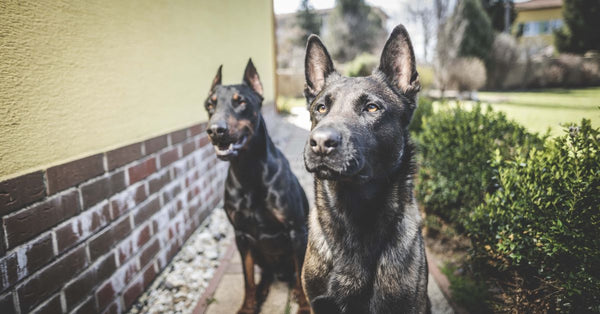
Great Danes top the risk list, being several times more likely to develop GDV than smaller breeds. German Shepherds, Saint Bernards, Dobermanns, and Weimaraners also face elevated risks. Standard Poodles, Irish Setters, and Basset Hounds are other breeds where owners should be particularly vigilant.
However, size isn't the only factor. Age plays a crucial role, with middle-aged to older dogs facing higher risks. Male dogs are more commonly affected than females, and dogs with a family history of GDV are at increased risk. Even smaller breeds like Dachshunds can develop this condition, though it's less common.
Breed risk factors for GDV
Recognising the Critical Warning Signs
The early signs of bloat can be subtle, which makes this condition particularly dangerous. Many owners initially mistake the symptoms for general discomfort or minor digestive upset. However, recognising these early warning signs can be the difference between life and death for your dog.
The most telling early sign is retching or unproductive vomiting. Your dog will make the motions of being sick but bring nothing up, or perhaps only produce small amounts of foam or saliva. This happens because the twisted stomach prevents anything from coming up through the normal route.
Restlessness is another key indicator. Dogs with bloat often can't settle or get comfortable. They may pace, lie down and immediately get up again, or repeatedly change positions. This restlessness stems from the significant discomfort caused by the distended stomach.
Other early signs include excessive drooling, difficulty breathing due to pressure on the diaphragm, and pale gums. The abdomen may appear swollen, though this isn't always obvious, especially in the early stages when the bloated stomach might be tucked up under the ribcage.
When Symptoms Progress
As GDV advances, the symptoms become more severe and obvious. The abdomen becomes visibly distended and may feel tight like a drum when gently tapped. Your dog may collapse and be unable to get up, showing signs of shock such as a weak pulse and cold extremities.
The distended abdomen becomes more apparent when your dog lies on their side. You might notice a hollow, drum-like sound when gently tapping the swollen area behind the last rib. At this advanced stage, your dog is in critical condition and needs immediate emergency veterinary care.
The timeline from first symptoms to life-threatening complications can be frighteningly short. Some dogs progress from early signs to critical condition within minutes, whilst others may have hours. This unpredictability is why any suspected case of bloat should be treated as an immediate emergency.
What Causes Bloat and GDV
Despite extensive research, the exact cause of GDV remains somewhat mysterious. However, veterinarians have identified several risk factors that appear to contribute to the development of this condition. Understanding these factors can help you take preventive measures to reduce your dog's risk.
Feeding-related factors play a significant role. Dogs who eat large meals quickly are at higher risk, as are those who drink large amounts of water rapidly after eating. Exercise immediately after meals is another known risk factor, which is why many experts recommend waiting at least an hour after feeding before allowing vigorous activity.
Stress and anxiety also appear to contribute to bloat risk. Dogs described as anxious, fearful, or hyperactive show higher rates of GDV compared to calm, relaxed dogs. This suggests that managing your dog's stress levels, particularly around meal times, may help reduce their risk.
Environmental and Genetic Factors
The feeding environment can influence risk as well. Some research suggests that elevated food bowls might increase the likelihood of bloat, though the evidence is mixed. Single daily feeding rather than multiple smaller meals throughout the day also appears to increase risk.
Genetic predisposition plays a role, with some bloodlines showing higher rates of GDV. If your dog's parents or siblings have experienced bloat, your dog may be at increased risk. This genetic component is one reason why responsible breeders avoid breeding dogs with a family history of GDV.
Illness that decreases normal intestinal movement can also contribute to bloat development. This includes any condition that affects your dog's digestive system or overall health, making regular veterinary check-ups important for early detection of potential problems.
Effective Prevention Strategies
Whilst you can't completely eliminate the risk of bloat, especially in predisposed breeds, there are several practical steps you can take to significantly reduce your dog's chances of developing this condition. These prevention strategies focus on feeding management, stress reduction, and in some cases, surgical intervention.
Feeding management forms the cornerstone of bloat prevention. Instead of one large daily meal, divide your dog's food into two or three smaller portions throughout the day. This reduces the amount of food in the stomach at any given time and decreases the likelihood of dangerous distension.
Slowing down your dog's eating can make a significant difference. Use puzzle feeders, scatter food on a flat surface, or place a large ball in the food bowl to force your dog to eat around it. These methods encourage slower, more deliberate eating rather than rapid gulping.
Exercise and Water Management
Timing exercise around meals is crucial for bloat prevention. Avoid vigorous activity for at least one hour before and after feeding. This includes running, playing fetch, or any activity that gets your dog excited or breathing heavily. Gentle walks are generally fine, but save the energetic play for between meals.
Water intake management is equally important. Whilst you shouldn't restrict access to water, try to prevent your dog from drinking large amounts immediately before or after meals. Some dogs benefit from having water available throughout the day rather than drinking large quantities at specific times.
Consider feeding from ground level rather than elevated bowls, though research on this point shows mixed results. The key is finding what works best for your individual dog whilst following the other established prevention guidelines.
Surgical Prevention: Gastropexy
For dogs at high risk of GDV, particularly large, deep-chested breeds, prophylactic gastropexy offers the most effective prevention method. This surgical procedure involves attaching the stomach to the abdominal wall, preventing it from twisting even if it becomes bloated.
Gastropexy can be performed during routine spaying or neutering, making it a convenient option for young dogs of susceptible breeds. The procedure prevents stomach twisting in the vast majority of cases, though it doesn't prevent simple bloat from occurring.
Many veterinarians recommend gastropexy for Great Danes, German Shepherds, and other high-risk breeds, especially if there's a family history of GDV. The procedure is particularly valuable because it addresses the most dangerous aspect of bloat, the stomach twisting that creates life-threatening complications.
Prevention method effectiveness
| Prevention Method | Effectiveness | Suitable For |
|---|---|---|
| Feeding Management | Moderate Risk Reduction | All Dogs |
| Exercise Timing | Moderate Risk Reduction | All Dogs |
| Stress Management | Moderate Risk Reduction | Anxious Dogs |
| Prophylactic Gastropexy | High Prevention Rate | High-Risk Breeds |
For guidance only, not a diagnosis.
When to Contact Your Vet Immediately
Bloat is always a veterinary emergency, and timing can mean the difference between life and death. Never adopt a "wait and see" approach if you suspect your dog might be developing bloat. Even if symptoms seem mild initially, the condition can deteriorate rapidly and unpredictably.
Contact your emergency vet immediately if your dog shows any combination of retching without producing vomit, restlessness or inability to settle, a swollen or tight abdomen, excessive drooling, difficulty breathing, or pale gums. Don't wait for multiple symptoms to appear, even one or two signs warrant immediate veterinary attention.
When you call your emergency vet, mention that you suspect bloat. This alerts them to prepare for a potential GDV case and can speed up treatment once you arrive. Time is absolutely critical with this condition, and every minute counts in achieving a successful outcome.
Emergency Preparedness
Have an emergency plan in place, especially if you own a high-risk breed. Know the location and contact details of your nearest emergency veterinary facility, including their after-hours procedures. Keep this information easily accessible, perhaps saved in your phone or posted somewhere visible in your home.
Consider the financial implications of emergency GDV treatment, which can be substantial due to the complex surgery and intensive care required. Pet insurance or an emergency fund can help ensure that cost doesn't become a barrier to life-saving treatment when every minute matters.
If you live in a rural area far from emergency veterinary care, discuss with your vet whether they can provide guidance over the phone whilst you travel to the clinic. Some vets may be able to offer advice on immediate first aid measures, though professional veterinary intervention remains essential.
Treatment and Recovery Outlook
GDV requires immediate surgical intervention to save your dog's life. The emergency procedure involves several critical steps, starting with relieving the pressure in the stomach by removing trapped gas through a tube or needle. Your dog will receive intravenous fluids and medications to support shock and vital functions.
Surgery follows to untwist the stomach and assess any tissue damage caused by compromised blood flow. During this procedure, the veterinarian will also perform a gastropexy to prevent future twisting. In severe cases, damaged portions of the stomach or spleen may need to be removed.
The success depends heavily on how quickly your dog receives care. Dogs seen within the first few hours of symptom onset have much better survival rates than those who don't receive attention until the condition has progressed to advanced stages.
Recovery and Long-term Care
Post-surgery recovery typically requires one to two days of hospitalisation for monitoring. Your dog will need careful observation for any recurring symptoms, restricted activity during the healing period, and possibly intensive care if complications arise during or after surgery.
Most dogs who survive the initial surgery and recovery period go on to live normal, healthy lives. The gastropexy performed during emergency surgery provides long-term protection against future episodes of stomach twisting, though simple bloating can still occur.
Follow-up care focuses on monitoring the surgical site, managing any post-operative discomfort, and gradually returning to normal activity levels. Your vet will provide specific guidelines for feeding, exercise, and medication during the recovery period.
Supporting Your Dog's Long-term Digestive Health
After experiencing bloat or if your dog is at high risk, supporting their digestive health becomes even more important. Maintaining a consistent feeding routine with appropriately sized meals helps reduce stress on the digestive system and minimises the risk of future episodes.
Consider incorporating joint and mobility support into your dog's routine, especially for larger breeds who may be at risk for both bloat and joint issues as they age. MedPaw's hip and joint supplement containing glucosamine, chondroitin, and green-lipped mussel can support overall comfort and mobility, helping maintain your dog's quality of life alongside proper digestive care.
Regular veterinary check-ups become particularly important for dogs who have experienced bloat or those at high risk. These visits allow your vet to monitor your dog's overall health, assess their weight and body condition, and make recommendations for ongoing preventive care.
Understanding bloat and GDV empowers you to protect your dog from this serious condition. Whether through prevention strategies, early recognition of symptoms, or emergency preparedness, your knowledge and vigilance can make all the difference in keeping your beloved companion safe and healthy.
How quickly can bloat become life-threatening in dogs?
Bloat can progress from early symptoms to a life-threatening emergency within minutes to hours, making it unpredictable and extremely dangerous. Some dogs deteriorate rapidly whilst others may have a few hours before reaching critical condition. This is why any suspected case of bloat should be treated as an immediate veterinary emergency, regardless of how mild the symptoms initially appear.
Can small dogs get bloat or is it only large breeds?
Whilst bloat is much more common in large, deep-chested breeds like Great Danes and German Shepherds, smaller dogs can also develop this condition. Breeds like Dachshunds have been known to experience bloat, though it occurs less frequently. All dog owners should be aware of the warning signs, regardless of their dog's size.
What should I do if my dog is retching but nothing comes up?
Unproductive retching is one of the most important early warning signs of bloat and requires immediate veterinary attention. Contact your emergency vet straight away, even if this is the only symptom you notice. Never take a wait-and-see approach with suspected bloat, as the condition can deteriorate rapidly and become fatal without prompt treatment.
Is it safe to give my dog anything at home if I suspect bloat?
No, you should never attempt to treat suspected bloat at home or give your dog anything by mouth. Do not offer food, water, or any medications, as these could worsen the condition or complicate emergency treatment. The only appropriate action is to contact your emergency vet immediately and transport your dog for professional veterinary care.
How much does emergency bloat surgery typically cost in the UK?
Emergency GDV surgery can be quite expensive due to the complex nature of the procedure and intensive care required, often running into thousands of pounds. The exact cost varies depending on your location, the severity of the case, and any complications that arise. Many pet owners find that having pet insurance or an emergency fund helps ensure cost doesn't become a barrier to life-saving treatment.
Will my dog be able to live normally after bloat surgery?
Most dogs who survive bloat surgery and the initial recovery period go on to live completely normal, healthy lives. The gastropexy procedure performed during surgery prevents the stomach from twisting again in the future, providing long-term protection. Your vet will provide specific guidelines for feeding, exercise, and ongoing care to support your dog's continued health and wellbeing.