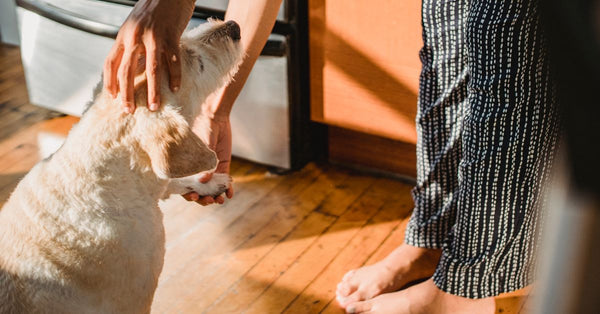
Bichon Frises are delightful companions known for their cheerful temperament and fluffy white coats. These small dogs typically weigh between 12-18 pounds and enjoy a relatively long lifespan of 14-15 years. Whilst generally robust, Bichons can develop certain health conditions that caring owners should understand and watch for throughout their dog's life.
Being aware of breed-specific health concerns helps you spot early warning signs and work with your vet to keep your Bichon comfortable and mobile. From joint issues to eye problems, understanding what to look for can make a real difference to your dog's quality of life as they age.
Let's explore the most common health challenges facing Bichon Frises and discover practical ways to support their wellbeing through every stage of life.
Joint Health and Mobility Concerns
Luxating patella, or kneecap dislocation, is one of the most common joint conditions affecting Bichon Frises. This happens when the kneecap slips out of its normal groove, causing discomfort and mobility issues. The condition can range from mild, where the kneecap occasionally pops out, to severe cases requiring surgical intervention.
You might notice your Bichon suddenly lifting their hind leg whilst walking, showing intermittent lameness, or appearing reluctant to jump onto furniture or climb stairs. Some dogs develop a characteristic "skipping" gait where they briefly hold up the affected leg before continuing to walk normally.
Signs of luxating patella in Bichon Frises
Occasional skipping or limping
Brief episodes where your dog lifts their leg, usually resolving quickly on its own
Regular lameness and stiffness
More frequent episodes, reluctance to exercise, visible discomfort when moving
Persistent mobility issues
Constant lameness, difficulty bearing weight, significant impact on daily activities
If you notice any persistent limping, difficulty moving, or changes in your Bichon's gait, speak to your vet. Early intervention can help support your dog's comfort and mobility.
Supporting Your Bichon's Joint Health
Given their small stature and tendency towards joint issues, maintaining good joint health throughout your Bichon's life is important. Weight management plays a crucial role, as even a pound or two of excess weight can put significant stress on their delicate joints.
Regular, gentle exercise helps keep joints mobile and muscles strong. Aim for around 30 minutes of daily activity, but adapt this to your dog's age and comfort level. Gentle walks, indoor play sessions, and swimming (if available) are excellent low-impact options.
Consider making simple adjustments around your home to reduce joint stress. Pet ramps or steps can help your Bichon access furniture and cars without jumping, whilst supportive bedding provides comfort during rest periods. Many owners find that MedPaw's hip and joint supplement alongside proper veterinary care helps maintain their dog's mobility as they age.
Eye Health Challenges
Bichon Frises can develop several hereditary eye conditions that may affect their vision and comfort. Understanding these conditions helps you monitor your dog's eye health and seek timely veterinary care when needed.
Corneal dystrophy can appear as early as two years of age, creating an opaque area in the centre of the cornea. You might notice a cloudy or hazy appearance in your dog's eye, which may progress over time. Whilst this condition doesn't typically cause pain, it can affect vision quality.
Hereditary cataracts present another concern, potentially developing in Bichon puppies as young as six months old. These appear as a cloudy or milky film over the eye and can significantly impact vision if left untreated.
Monitoring Your Bichon's Vision
Regular observation of your dog's eyes and behaviour helps catch problems early. Watch for changes in the eye's appearance, such as cloudiness, discharge, or redness. Behavioural changes like bumping into objects, reluctance to navigate stairs, or difficulty seeing in low light can indicate vision problems.
Contact your vet if you notice squinting, excessive blinking, or your dog pawing at their eyes. These signs often indicate discomfort that requires attention. Early detection allows for better management options and can help preserve your Bichon's vision.
Urinary System Health
Bladder stones represent a significant health concern for Bichon Frises. These mineral formations can develop due to hereditary factors, infections, or dietary influences. The stones may consist of various minerals, including calcium oxalate, cystine, or struvite.
Signs of bladder stones include blood in the urine, straining to urinate, frequent attempts with little output, and strong-smelling urine. You might notice your dog taking longer than usual in their toileting position or showing signs of discomfort during urination.
Prevention focuses on hydration and diet. Ensure your Bichon always has access to fresh water, and discuss appropriate nutrition with your vet. Some dogs benefit from specific diets designed to help prevent stone formation, particularly if they've had previous episodes.
Any changes in urination patterns warrant veterinary attention. Blood in urine, straining, or signs of pain during urination require prompt evaluation to prevent complications and ensure your dog's comfort.
Metabolic Health Considerations
Diabetes can affect Bichon Frises, requiring lifelong management once diagnosed. This condition develops when the body cannot properly regulate blood sugar levels, leading to various symptoms and complications if untreated.
Early warning signs include increased thirst and urination, increased appetite despite weight loss, lethargy, and cloudy eyes. These symptoms often develop gradually, making regular monitoring of your dog's habits important for early detection.
If you notice any combination of these symptoms, arrange a veterinary examination. Blood work and urinalysis can confirm the diagnosis and help determine the most appropriate management plan. With proper care, diabetic dogs can maintain good quality of life.
Dental Health Management
Small breeds like Bichons face particular challenges with dental health due to their mouth size and tooth spacing. Crowded teeth create areas where plaque and bacteria accumulate easily, leading to dental disease if not properly managed.
Dental care priorities for Bichon Frises
| Care Type | Frequency | Benefits |
|---|---|---|
| Tooth brushing | Daily or every other day | Removes plaque, prevents tartar buildup |
| Dental chews | 2-3 times weekly | Mechanical cleaning, fresher breath |
| Professional cleaning | Annually or as recommended | Deep cleaning below gum line |
| Regular monitoring | Weekly inspection | Early detection of problems |
Establish a dental care routine early in your Bichon's life. Use dog-safe toothpaste and a soft-bristled brush designed for small dogs. Dental chews approved by the Veterinary Oral Health Council provide additional cleaning action whilst satisfying your dog's natural chewing instincts.
Schedule annual professional dental cleanings with your vet. These procedures allow thorough cleaning below the gum line and early detection of dental problems. Watch for persistent bad breath, difficulty eating, or pawing at the mouth, as these signs indicate dental issues requiring veterinary attention.
Weight Management and Exercise
Maintaining an appropriate weight is crucial for preventing joint stress and other health complications in Bichons. Even small amounts of excess weight can significantly impact their delicate joints and overall health.
Follow manufacturer feeding guidelines based on your dog's age, activity level, and body condition. Measure food portions rather than estimating, and limit treats to no more than 10% of daily calorie intake. Interactive feeding toys can slow eating whilst providing mental stimulation.
Regular body condition monitoring helps you maintain your Bichon's ideal weight. You should be able to feel their ribs without pressing hard, and there should be a visible waist when viewed from above. If you're unsure about your dog's body condition, ask your vet for guidance during routine visits.
Exercise Recommendations
Bichons benefit from around 30 minutes of daily exercise, but this should be adapted to your individual dog's needs and health status. Include both physical activity and mental stimulation to keep your dog engaged and healthy.
Indoor play becomes particularly valuable during extreme weather conditions. Puzzle toys, gentle games of fetch, and training sessions provide exercise whilst keeping your Bichon comfortable. Swimming, where available, offers excellent low-impact exercise for dogs with joint concerns.
Preventive Care and Monitoring
Regular veterinary care forms the foundation of keeping your Bichon healthy throughout their life. Annual comprehensive examinations allow early detection of breed-specific conditions and help establish baseline health parameters for your individual dog.
Eye examinations should be part of routine veterinary visits, particularly given the breed's tendency towards hereditary eye conditions. Your vet can monitor for early signs of corneal dystrophy, cataracts, and other vision problems.
Blood work screening helps detect diabetes and other metabolic conditions before symptoms become apparent. Early detection allows for more effective management and better long-term outcomes.
Daily home monitoring plays an equally important role. Observe your Bichon's eating, drinking, and elimination habits. Note any changes in behaviour, mobility, or energy levels. Regular coat brushing sessions provide opportunities to check for lumps, bumps, or skin changes whilst maintaining their beautiful coat.
Supporting Long-term Wellbeing
Bichon Frises are generally healthy dogs with good longevity, but proactive care helps support breed-specific health needs. A combination of appropriate nutrition, regular exercise, preventive veterinary care, and attentive daily monitoring provides the best foundation for maintaining your dog's health.
Understanding dog joint health fundamentals can work alongside proper veterinary care to help maintain mobility and comfort as your Bichon ages. Always consult with your vet before making significant changes to your dog's diet or care routine, particularly if they're showing signs of health concerns.
Remember that early detection and intervention remain the most effective approaches to supporting breed-specific health conditions. Regular veterinary check-ups combined with attentive home monitoring help ensure your Bichon enjoys the best possible quality of life throughout their 14-15 year lifespan.
What are the early signs of luxating patella in my Bichon Frise?
Early signs include occasional skipping or limping, where your Bichon briefly lifts their hind leg whilst walking before continuing normally. You might notice intermittent lameness, reluctance to jump onto furniture or climb stairs, or a characteristic "skipping" gait. If you observe any persistent limping or changes in your dog's movement, speak to your vet for proper evaluation.
How much exercise should my Bichon Frise get to support their joint health?
Bichons typically benefit from around 30 minutes of daily exercise, but this should be adapted to your individual dog's age and comfort level. Gentle walks, indoor play sessions, and swimming (if available) are excellent low-impact options. Regular, gentle exercise helps keep joints mobile and muscles strong whilst avoiding excessive stress on their delicate joints.
Can joint supplements help prevent hip and knee problems in Bichon Frises?
Joint supplements are complementary feeds that can help support your Bichon's joint health and mobility as part of a comprehensive care routine. They work alongside proper veterinary care, weight management, and appropriate exercise to help maintain comfort and mobility. Always consult with your vet before starting any supplements, particularly if your dog is showing signs of joint discomfort.
What weight should my adult Bichon Frise be to protect their joints?
Adult Bichons typically weigh between 12-18 pounds, but the ideal weight varies by individual dog. You should be able to feel their ribs without pressing hard, and there should be a visible waist when viewed from above. Even a pound or two of excess weight can put significant stress on their delicate joints, so maintaining proper body condition is crucial for joint health.
How often should I have my Bichon's eyes checked for hereditary conditions?
Eye examinations should be part of your Bichon's routine veterinary visits, typically annually for healthy adult dogs. Given the breed's tendency towards hereditary eye conditions like corneal dystrophy and cataracts, regular monitoring helps detect problems early. If you notice any changes in your dog's eye appearance or vision, contact your vet promptly for evaluation.