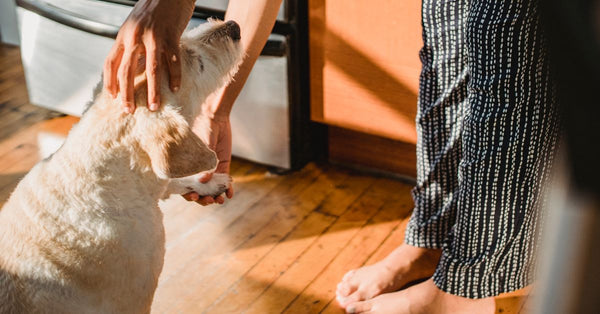
Many dog owners notice their furry companions seem stiffer and more uncomfortable during damp, cold weather. If you've observed your dog moving more slowly on rainy days or struggling to get up after a rest during wet spells, you're not imagining things. Weather changes can genuinely affect your dog's joints, particularly if they already have underlying conditions like arthritis or hip dysplasia.
The connection between weather and joint discomfort in dogs mirrors what many humans experience with their own arthritis. Understanding this relationship can help you better support your dog's comfort and mobility throughout the changing seasons.
Let's explore why damp weather affects dogs' joints and what you can do to help keep your companion comfortable when the weather takes a turn for the worse.
Why Damp Weather Affects Your Dog's Joints
The relationship between weather and joint health isn't just coincidence. Several factors work together to make damp conditions particularly challenging for dogs with joint sensitivities.
Barometric pressure changes play a significant role in joint discomfort. As atmospheric pressure drops before wet weather arrives, it can cause joint tissues to expand slightly. In joints already affected by arthritis or other conditions, this expansion contributes to increased discomfort and stiffness. Dogs with existing joint problems are particularly sensitive to these pressure fluctuations.
Cold, damp conditions also affect how joints function. Lower temperatures can cause the synovial fluid within joints to thicken, reducing its ability to flow freely and provide adequate lubrication. This thickened fluid makes joint movement more difficult and potentially uncomfortable for your dog.
Additionally, wet weather naturally leads to decreased exercise for many dogs. When owners are less likely to take long walks or allow extended outdoor play, this reduction in activity contributes to joint stiffness and can worsen existing mobility issues.
Dogs Most at Risk
Whilst any dog can experience weather-related joint discomfort, certain groups are more susceptible to these effects.
Senior dogs face higher risks as cartilage naturally breaks down over time. The normal ageing process makes joints more vulnerable to weather-related discomfort, and older dogs often have less muscle mass to support their joints effectively.
Large breed dogs such as Labradors, German Shepherds, and Golden Retrievers are also more prone to weather-related joint issues. Their size and weight place additional strain on joints, and their heavier frames make them more susceptible to the effects of barometric pressure changes.
Dogs most affected by damp weather joint discomfort
Dogs already diagnosed with arthritis, hip dysplasia, or other joint conditions will likely experience worsened symptoms during damp weather periods. These underlying conditions make joints more sensitive to environmental changes.
Recognising Weather-Related Joint Discomfort
Knowing what signs to watch for can help you identify when your dog is struggling with weather-related joint issues. Early recognition allows you to provide appropriate support and comfort measures.
Physical Signs to Monitor
Movement changes are often the first indicators of joint discomfort. Your dog may move more slowly than usual, particularly when getting up from lying or sitting positions. Stiffness is often most noticeable after periods of rest, such as first thing in the morning or after a long nap.
You might observe your dog limping, holding a leg awkwardly, or taking longer to "warm up" their movement after being stationary. Some dogs develop an altered gait, taking shorter steps or moving with less fluidity than normal.
Postural changes can also indicate discomfort. Dogs may sit differently, such as leaving a leg extended rather than tucking it under their body normally. They might also shift positions frequently when lying down, unable to find a comfortable spot.
Behavioural Indicators
Changes in behaviour often accompany physical symptoms of joint discomfort. Dogs may show reluctance to exercise, play, or engage in activities they normally enjoy. This might manifest as hesitation before climbing stairs, reluctance to jump onto furniture, or simply moving away when you reach for their lead.
Restlessness is another common sign. Discomfort can make dogs unable to settle comfortably, leading them to pace or frequently change positions when trying to rest. Some dogs become more withdrawn or less social when experiencing joint discomfort.
If you notice persistent signs of discomfort or any changes that concern you, speak with your veterinarian for proper assessment and guidance.
Creating a Comfortable Environment
Making thoughtful adjustments to your dog's environment can significantly improve their comfort during damp weather periods. These modifications don't require major changes but can make a substantial difference to your dog's wellbeing.
Temperature and Warmth Management
Keeping your dog warm and dry is fundamental to supporting comfort during weather-related joint sensitivity. Ensure your central heating provides adequate warmth throughout your home, and create warm, draft-free resting areas where your dog can retreat when feeling uncomfortable.
Orthopaedic bedding offers firm support for joints whilst providing comfort. Consider placing comfortable beds on every level of your home to reduce the need for stair climbing. Orthopaedic dog beds can provide additional comfort during particularly cold, damp periods, though these should be used safely according to manufacturer instructions.
For outdoor excursions, waterproof coats can help maintain body temperature, particularly for short-haired breeds. However, thick-coated breeds such as Huskies typically don't require additional clothing and may overheat if overdressed.
Home Accessibility Improvements
Small modifications can help dogs with mobility issues navigate your home more easily. Place food and water bowls in easily accessible locations, avoiding the need for stair climbing or navigating tight spaces.
Installing ramps or small steps can help dogs access furniture or beds without jumping, which can be particularly jarring for sensitive joints. The best dog ramps for stiff joints don't need to be expensive purpose-built items. Even a sturdy cushion or folded blanket can provide a helpful intermediate step.
Improving traction throughout your home helps prevent slips that could cause additional discomfort. Non-slip mats or carpet runners on hardwood or tile floors provide better grip for dogs with joint issues. Some dogs benefit from boots that provide better traction, though these should be used judiciously to avoid moisture buildup between toes.
Exercise and Activity Strategies
Maintaining appropriate exercise levels during damp weather requires a balanced approach. Too little activity can worsen joint stiffness, whilst overexertion can cause additional discomfort.
Consistent, Gentle Movement
Regular, moderate exercise proves more beneficial than sporadic intense activity. Aim for consistent daily walks rather than weekend-only longer excursions. This approach helps prevent joint stiffness whilst avoiding overexertion that could worsen symptoms.
During particularly wet weather, engage in gentle indoor activities such as slow-paced games, practising known commands, or teaching new tricks. These activities provide mental stimulation and light physical activity without exposing your dog to harsh weather conditions.
When outdoor exercise is possible, consider the surfaces available. Soft surfaces like grass or woodland paths place less stress on joints compared to hard pavements or concrete paths.
Managing joint comfort during different weather conditions
Light dampness, normal temperature
Continue regular exercise with minor adjustments. Consider shorter, more frequent walks and ensure your dog stays dry.
Heavy rain, dropping temperature
Reduce outdoor time, focus on indoor activities, provide extra warmth and comfort. Monitor for increased stiffness.
Persistent cold, damp conditions
Minimise outdoor exposure, maintain gentle indoor movement, consider additional support measures. Contact your vet if symptoms worsen significantly.
Low-Impact Exercise Options
Swimming in heated pools provides excellent low-impact exercise that supports joint health without placing stress on affected areas. The buoyancy of water reduces pressure on joints whilst allowing full range of motion.
If swimming isn't available, controlled walking on soft surfaces remains one of the best exercises for dogs with joint sensitivities. Start with shorter distances and gradually build up as your dog's comfort allows.
Nutritional Support for Joint Health
Proper nutrition plays a crucial role in supporting joint health and helping manage weather-related discomfort. Several nutritional approaches can help support your dog's joint function and comfort.
Weight Management
Maintaining an appropriate weight remains one of the most effective ways to reduce joint stress. Excess weight increases pressure on joints, making weather-related discomfort more pronounced. Winter months can present additional challenges due to reduced activity levels and increased treat consumption during holidays.
Work with your veterinarian to establish an appropriate weight target and feeding plan for your dog. Regular weigh-ins help monitor progress and adjust feeding as needed.
Joint-Supporting Nutrients
Omega-3 fatty acids provide anti-inflammatory benefits that may help support joint health. Fish-based diets rich in omega-3s can support overall joint health as part of a comprehensive approach.
Glucosamine and chondroitin supplements may help support cartilage health and joint function. These naturally occurring compounds are often included in joint care diets or available as standalone supplements. MedPaw's hip and joint supplement contains these key ingredients alongside other supportive nutrients. Always discuss supplement options with your veterinarian before starting any new additions to your dog's diet.
Specialised joint care diets formulated with ingredients that support mobility can be beneficial for dogs with existing joint issues or those predisposed to joint problems. These diets often combine multiple supportive nutrients in appropriate ratios.
Additional Comfort Measures
Beyond environmental modifications and exercise management, several additional approaches can help improve your dog's comfort during challenging weather periods.
Physical Comfort Techniques
Gentle massage around affected joints can help improve circulation and reduce stiffness. Use light pressure and circular motions, watching your dog's response to ensure the massage remains comfortable rather than causing additional discomfort.
Warm compresses applied to stiff joints for short periods may provide temporary relief. Always test temperature carefully and never apply heat directly to skin. Wrap warm (not hot) water bottles in towels before applying to affected areas.
Professional Support Options
Canine physical rehabilitation centres offer specialised treatments including underwater treadmills and targeted exercise programmes. These facilities provide professional assessment and support plans tailored to individual dogs' needs.
Some areas offer canine massage therapists or physiotherapists who can provide professional support and teach owners appropriate home care techniques.
When to Seek Veterinary Advice
Understanding when weather-related joint discomfort requires professional attention helps ensure your dog receives appropriate care when needed.
Seek immediate veterinary attention if your dog experiences persistent limping or inability to bear weight on a limb, severe reluctance to move or complete immobility, or signs of significant discomfort such as whimpering, panting, or aggression when touched.
Schedule routine veterinary consultations for gradual worsening of mobility issues, increased stiffness that doesn't improve with gentle activity, or changes in eating, drinking, or bathroom habits alongside mobility issues.
Your veterinarian can provide various support options including prescription anti-inflammatory medications and injectable treatments that help restore joint lubrication. Never use human medications for dogs, as many common human medications are toxic to canines.
Long-term Management and Prevention
Managing weather-related joint issues effectively requires a long-term perspective and consistent approach. Regular veterinary check-ups help monitor joint health and catch developing issues early, when intervention can be most effective.
Maintaining consistent exercise routines year-round, rather than allowing seasonal variations, supports long-term joint health. This consistency helps maintain muscle strength and joint flexibility that can better withstand weather-related challenges.
Understanding that joint conditions are typically progressive helps owners plan appropriate care strategies. Whilst weather-related discomfort may be temporary, underlying joint conditions require ongoing management and veterinary oversight to maintain the best possible quality of life.
The key to managing weather-related joint issues lies in preparation, consistent care, and working closely with veterinary professionals to develop comprehensive management plans tailored to your individual dog's needs. With thoughtful attention and appropriate support, most dogs can maintain good comfort and mobility even during challenging weather periods.
How can I tell if my dog's stiffness is due to damp weather or something more serious?
Weather-related stiffness typically improves once your dog warms up with gentle movement and tends to coincide with barometric pressure changes. However, if the stiffness persists throughout the day, worsens over time, or is accompanied by limping, loss of appetite, or signs of significant discomfort, it's important to speak with your vet for proper assessment.
Should I reduce my dog's walks during wet weather if they have joint problems?
Rather than eliminating walks entirely, focus on shorter, more frequent outings and choose softer surfaces when possible. Consistent gentle movement helps prevent joint stiffness, but avoid overexertion during cold, damp conditions. Indoor activities can supplement outdoor exercise when weather is particularly harsh.
Can joint supplements help my dog cope better with weather changes?
Joint supplements containing ingredients like glucosamine and chondroitin may help support your dog's joint health and comfort as part of a comprehensive approach. However, these are complementary feeds that support joint function rather than treat conditions. Always discuss supplement options with your vet before starting any new additions to your dog's routine.
Why does my elderly dog seem much worse in winter compared to summer?
Senior dogs are particularly sensitive to barometric pressure changes and cold temperatures, which can cause joint tissues to expand and synovial fluid to thicken. Combined with reduced exercise during winter months, these factors often make existing joint conditions more noticeable. If you're concerned about significant changes in your dog's mobility, speak with your vet about management options.
What's the best way to keep my large breed dog comfortable during prolonged damp spells?
Focus on maintaining warmth with adequate heating and orthopaedic bedding, ensure consistent gentle exercise even if indoors, and consider accessibility improvements like ramps or non-slip surfaces. Large breeds are particularly susceptible to weather-related joint discomfort due to their size and weight, so creating a supportive environment is especially important.