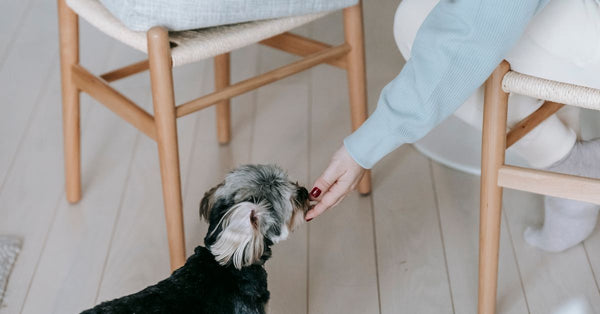
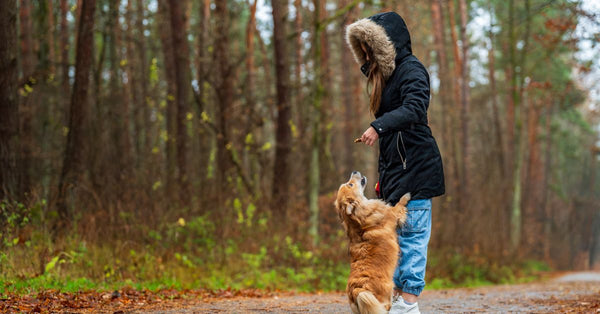
A dog with stiff joints often does best on a predictable day. When walks, meals, rest and gentle handling happen at roughly the same times, their body knows what is coming, and you are far less likely to end up with a quiet weekday followed by an exhausting Saturday.
Below is a simple daily routine you can adapt to your own dog, from the first stretch in the morning to settling down at night. It is not a substitute for a veterinary plan, more the everyday framework around whatever your vet has advised. Treat the timings as a starting point and adjust as you learn what suits your dog.
Choosing a Supplement That Fits Into Your Dog's Day
A daily routine only works if every part of it is easy to stick to, and that includes the joint supplement. Here is how six of the UK's best-known options compare on what they contain.
We make MedPaw, so we have kept to each brand's own published ingredients for every row.
MedPaw is the only one of the six with all six key joint actives
| Ingredient | MedPaw Hip & Joint Chews Max | NutraPaw Joint Support | YuMOVE Joint Support PLUS Max | Seraquin Joint | Synoquin EFA | Nutraquin+ |
|---|---|---|---|---|---|---|
| Key joint actives | 6 of 6 | 4 of 6 | 3 of 6 (+1 via mussel) | 2 of 6 | 2 of 6 | 3 of 6 |
| Glucosamine | ✓ | ✓ | ✓ | ✓ | ✓ | ✓ |
| Chondroitin | ✓ | ✗ | Via mussel | ✓ | ✓ | ✓ |
| MSM | ✓ | ✓ | ✗ | ✗ | ✗ | ✗ |
| Green-lipped mussel | ✓ | ✓ | ✓ | ✗ | ✗ | ✗ |
| Hyaluronic acid | ✓ | ✓ | ✓ | ✗ | ✗ | ✗ |
| Boswellia | ✓ | ✗ | ✗ | ✗ | ✗ | ✓ |
| Omega-3 | Mussel, flax | Mussel | Mussel, fish oil | ✗ | Krill oil | ✗ |
| Turmeric | ✗ | ✓ | ✗ | ✓ | ✗ | ✗ |
| Collagen | ✗ | ✓ | ✗ | ✗ | ✗ | ✗ |
| Antioxidants | Vit C, Vit E, zinc | Manganese | Vit C, Vit E, manganese | ✗ | Vit C, zinc | Vit C, zinc |
| Format | Soft chew | Tablet | Tablet | Chewable tablet | Tablet or capsule | Capsule |
| Guarantee | 60 days | 90 days | 6 weeks | Not stated | Not stated | Not stated |
✓ = included, ✗ = not listed. Key joint actives: glucosamine, chondroitin, MSM, green-lipped mussel, hyaluronic acid and Boswellia. Taken from each manufacturer's published information, September 2026.
MedPaw is the only one of the six with all six key joint actives: glucosamine, chondroitin, MSM, green-lipped mussel, hyaluronic acid and Boswellia serrata. That is broad support for stiff joints from one chew a day.
Because it is a soft chew, it slots straight into the morning routine as a treat after breakfast, with no tablets to hide or crush.
Explore MedPaw Hip & Joint Chews Max and make joint support the easiest part of your dog's routine, backed by our 60-day money-back guarantee.
Why a Routine Helps Stiff Dogs
Stiff joints tend to cope better with steady, moderate movement than with bursts of activity followed by long spells of lying still. A routine spreads activity across the day in small, manageable pieces, which keeps muscles working without overloading them.
Consistency also makes changes easier to spot. The guiding principle is little and often: several short outings, regular rest, and the same gentle habits repeated day after day.
Morning: A Slow, Warm Start
Many dogs with stiff joints are at their worst first thing, after hours of lying still. If that sounds familiar, our guide on why dogs are stiff after resting explains what is going on. The aim is to ease your dog into movement, not rush them.
Let Them Wake Up in Their Own Time
Give your dog a few minutes to stretch and get up at their own pace. If their bed is in a cool spot, a warm room helps them loosen up. Light stroking along the back and legs, or a wrapped wheat bag that is warm but never hot, may help some dogs too. Our article on massage and warmth therapy covers this in more detail.
A Short Toilet Trip First
Keep the first trip outside brief and simple. Steps out of the back door can be a struggle first thing, and smooth patios or kitchen tiles can be slippery, especially when wet. A rubber-backed mat at the door and a non-slip path to the grass help your dog feel steady on their feet.
Warm Up Before Anything Energetic
If your dog's main walk is in the morning, start with five to ten minutes of slow walking on the lead before any off-lead running or longer distance. By the end of it most dogs are moving more freely, and you will have a sense of how their joints feel that day.
Breakfast and the Daily Supplement Habit
Breakfast is a natural anchor for the day, and a reliable moment to give anything your vet has suggested, whether that is medication, a joint supplement or both.
The hardest part of any daily supplement is remembering it. Pair it with something that already happens every day, such as breakfast, or keep the pouch next to the lead or the kettle so it becomes part of the morning cue.
If you use a joint supplement, MedPaw Hip & Joint Chews Max is a daily soft chew and complementary feed that supports joints, mobility and comfort. It contains glucosamine, chondroitin, MSM, green-lipped mussel, hyaluronic acid and Boswellia serrata, along with omega-3 from green-lipped mussel and flax seed, vitamins C and E, and zinc. The feeding guide goes by weight: 1 chew a day for dogs up to 4kg, 2 for 5-17kg, and 2-3 for 18kg and over, with the amount doubled for the first three weeks.
Supplements work alongside veterinary care, not instead of it, and they need time. For MedPaw, 2-3 months of consistent daily use is recommended, which is exactly why tying it to breakfast matters. If your dog takes any medication, check with your vet before adding a supplement.
Midday: Short Sniff Walks and Brain Games
For most stiff dogs, two or three short walks are kinder than one long hike. Shorter outings keep joints moving without tipping into fatigue. Our guide to low-impact exercise for stiff dogs has more ideas.
Make the Walk About the Nose
A midday sniff walk is slow by design. Let your dog choose the pace and stop as often as they like. Soft, flat ground such as grass is usually easier on joints than pavements or hills. Ten to twenty minutes is plenty for many dogs, but let your own dog's comfort set the length.
Enrichment That Spares the Joints
Scent games are ideal: hide a few pieces of your dog's daily food around one room and let them search. Puzzle feeders, snuffle mats and lick mats keep them occupied while lying or standing comfortably. Avoid games that involve chasing, sudden turns or jumping, such as repeated ball throwing, which put sharp loads through the joints.
Afternoon: Setting Up for Proper Rest
Rest is part of the routine, not a gap in it. Where your dog naps affects how they feel when they get up again.
Choose the Right Spot for the Bed
Place the bed away from draughty doors, cold external walls and conservatory floors that cool down quickly. A supportive bed with a firm, even base helps spread your dog's weight and makes it easier to push up to standing. A low entry point means they can step in rather than climb.
Grip and Access Around the House
Laminate, tiles and polished wood can make every step feel uncertain. Runners or rugs along the routes your dog uses most, such as from the bed to the water bowl and the back door, give them reliable grip. If your dog likes to join you on the sofa or travels in the car, a ramp saves repeated jumping, and our guide to dog ramps for stiff joints covers what to look for. A baby gate at the bottom of the stairs can also prevent unsupervised climbing.
Evening: Gentle Movement and Wind-Down
The evening is about keeping joints comfortable before the longest rest of the day.
Gentle Range of Motion and Massage
When the house is calm, slow, light stroking along the muscles of the back and legs is relaxing for many dogs. Some vets and veterinary physiotherapists also suggest gentle range-of-motion exercises, where you slowly move a limb through its comfortable range.
Please do not attempt range-of-motion work, or anything firmer than light stroking, until your vet or a veterinary physiotherapist has shown you how. Stop straight away if your dog pulls away, tenses, licks their lips repeatedly or seems uneasy.
A Final Short Walk
A short, easy walk in the early evening keeps joints moving before the long overnight rest. It only needs to be long enough to go to the toilet and loosen up.
A Calm End to the Day
Keep the last hour before bed quiet, make sure the room will not get cold overnight, and offer a last toilet trip just before you turn in. A settled, comfortable night makes the next morning easier.
Weekly Extras Worth Building In
A few things are worth scheduling each week.
- Swimming or hydrotherapy: water supports your dog's weight while they move, which is why vets sometimes suggest hydrotherapy for dogs with stiff joints. Only start this if your vet advises it, and use a qualified hydrotherapist.
- Weigh-ins: extra weight puts more load through every joint. A regular weigh-in, at home or at your vet practice, helps you catch gradual gain early.
- Nail trims: long nails change the way a dog stands and walks, shifting their weight and posture. Check them weekly and trim little and often, or ask your vet or groomer to help.
- A mobility diary: jot down a line each day about how your dog got up, how far they walked and anything unusual. Over weeks it reveals patterns that are easy to miss, and it is useful at vet appointments.
A Sample Daily Routine
Here is how the day might look in practice. Shift the times to suit your household, as the order and spacing matter more than the clock.
Sample daily routine for a dog with stiff joints
| Time of Day | What to Do | Why It Helps |
|---|---|---|
| Early morning (around 7am) | Let your dog stretch and rise slowly, then a brief toilet trip on a non-slip route | Avoids rushing stiff joints after a long rest |
| Morning (around 7.30am) | Five to ten minutes of slow lead walking before anything more active | Warms muscles and joints gradually |
| Breakfast (around 8am) | Breakfast, plus any supplement or medication your vet has advised | Links daily habits to a fixed cue so nothing is missed |
| Midday (around 12pm) | Short sniff walk on soft, level ground | Keeps joints moving without the strain of one long outing |
| Early afternoon | Scent game or puzzle feeder, then a long rest in a warm, draught-free bed | Tires the mind while the body recovers |
| Late afternoon (around 5pm) | Light stroking or vet-approved exercises | Encourages relaxation and comfortable movement |
| Evening (around 7pm) | Short, easy walk | Loosens joints before the overnight rest |
| Bedtime | Final toilet trip and settle in a warm, familiar spot | Supports a comfortable night and an easier morning |
For guidance only, not a diagnosis.
Adjusting for Good Days and Bad Days
No routine survives every day unchanged, and it should not have to. On good days, your dog may manage a slightly longer walk or an extra game. Resist the urge to do much more than usual, as a big jump in activity often shows up as stiffness the following day.
Cold, damp weather is a common trigger for stiffer days, and many owners find their dog moves less freely in winter. Our article on cold weather and dog joints explains why. On these days, keep walks shorter, consider a coat for short-haired dogs, dry them off thoroughly afterwards and make sure their bed is warm.
After a busy weekend, a family visit or a long car journey, plan a quieter day or two. Swap a walk for a scent game, and note it in your diary so you can spot which activities tend to cause a setback.
Signs It Is Time to Call the Vet
A routine helps with everyday stiffness, but it is not a way to manage pain on your own. Contact your vet if you notice:
- sudden lameness, or your dog not putting weight on a leg
- stiffness that no longer eases with the usual warm-up, or is getting steadily worse
- swelling, heat or tenderness around a joint
- yelping, panting, restlessness or reluctance to be touched
- refusing walks, struggling to get up, or changes in appetite or behaviour
Your vet can examine your dog and talk through options for keeping them comfortable. Bring your diary along if you keep one.
How long should walks be for a dog with stiff joints?
There is no single right length, as it depends on your dog's size, age, fitness and how their joints feel. Many stiff dogs do better with two or three short walks of ten to twenty minutes than with one long outing. Watch how your dog moves during the walk and the following morning. If they are noticeably stiffer the next day, the walk was probably too long, so scale back and ask your vet for guidance.
What time of day is best to give a joint supplement?
The best time is whichever time you will never forget. Most owners find it easiest to give a daily chew with breakfast or alongside another fixed morning habit, such as picking up the lead. Supplements need consistent daily use to support joint comfort, and for MedPaw, 2-3 months of daily use is recommended. If your dog takes any medication, check with your vet before starting a supplement.
Can I massage my dog's stiff joints myself?
Light, slow stroking along the muscles is relaxing for many dogs, and most owners can do this safely. Anything more, including firmer massage or moving the limbs through their range, should be shown to you first by your vet or a veterinary physiotherapist. Avoid pressing directly on sore joints, and stop if your dog moves away, tenses or seems uneasy. Their reaction is the best guide to what feels comfortable.
Should I change the routine in winter?
Yes, small adjustments help. Cold, damp weather often makes stiff dogs feel worse, so warm them up indoors before heading out, keep walks shorter and on easier ground, and dry them thoroughly when you get home. A coat can help short-haired or slim dogs. Check that their bed is away from draughts and that the room stays reasonably warm overnight. Contact your vet if winter stiffness seems severe or lasts.
How do I know if the routine is working?
Look for gradual changes over several weeks rather than day-to-day differences. Signs that things are going well include getting up more easily, warming up faster on walks, settling well at night and showing more interest in games and food puzzles. A simple mobility diary makes this much easier to judge. If your dog seems no better, or worse, speak to your vet, who can review the plan and check for any underlying problem.