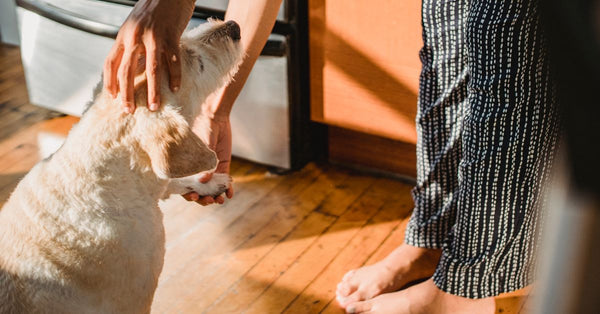
As temperatures drop and winter settles in, many dog owners notice their pets moving more stiffly or seeming reluctant to go for their usual walks. If you've observed your dog struggling to get up from their bed on cold mornings or limping more noticeably during chilly weather, you're not imagining things. Cold weather genuinely affects dogs' joints, particularly those already dealing with arthritis or other joint conditions.
Veterinary professionals consistently report seeing more dogs with joint problems during winter months, with many pets experiencing increased mobility struggles and discomfort when temperatures plummet. Understanding why this happens and what you can do about it can make a significant difference to your dog's comfort throughout the colder seasons.
The good news is that with the right approach, you can help your dog get through winter more comfortably whilst supporting their joint health for the long term.
Understanding Arthritis in Dogs
Arthritis, also known as degenerative joint disease or osteoarthritis, develops when the protective cartilage cushioning your dog's joints gradually wears down. Without this smooth cushioning, bones begin to rub together abnormally, causing swelling, inflammation, and discomfort that can significantly impact your dog's quality of life.
Whilst many people associate arthritis with older dogs, it can actually affect pets of any age. Younger dogs may develop the condition following injuries such as torn ligaments, or due to developmental conditions like hip dysplasia. Large breeds including Labradors and German Shepherds face higher risk due to their size and weight, though smaller breeds certainly aren't immune to joint problems.
The joints most commonly affected by arthritis include the hips, knees (called stifles in dogs), elbows, and spine. These areas bear much of your dog's weight and are constantly engaged during movement, making them particularly vulnerable to wear and tear over time.
Why Cold Weather Makes Joint Problems Worse
Several interconnected factors explain why your dog's joints become more troublesome during winter months. Understanding these mechanisms can help you better support your pet through challenging weather periods.
Changes in Joint Fluid
The synovial fluid inside your dog's joints acts like a natural shock absorber during movement. In colder temperatures, this fluid becomes thicker and cannot flow as freely around the joint. This change in consistency leads to increased stiffness and reduced mobility, particularly noticeable when your dog first gets up after resting.
Barometric Pressure Effects
Winter weather systems bring changes in atmospheric pressure that can cause joint tissues to expand. In healthy joints, this expansion causes minimal discomfort. However, in arthritic joints that are already inflamed and sensitive, this additional pressure contributes to increased stiffness and discomfort.
Reduced Activity Levels
Both dogs and their owners naturally become less active during winter months. Shorter daylight hours and freezing temperatures often lead to reduced walk frequency and duration, whilst dogs spend less time playing outdoors. This decreased activity contributes to joint stiffness, as regular movement helps maintain flexibility and joint health.
Muscle Tightening
Cold temperatures cause muscles to tighten around joints, creating additional restriction around areas that may already be inflamed or uncomfortable. This muscle tension further limits your dog's flexibility and can increase their overall discomfort during movement.
Signs of worsening joint problems during cold weather
Early Morning Stiffness
Slower to get up from bed, brief stiffness that improves with gentle movement
Reduced Activity
Reluctance to exercise, difficulty with stairs, limping that persists during walks
Significant Mobility Issues
Struggling to stand, avoiding movement, behavioural changes indicating discomfort
Recognising the Warning Signs
Spotting the early signs of joint discomfort can help you take action before your dog's condition worsens significantly. Dogs are naturally stoic animals and often hide discomfort well, so subtle changes in behaviour may be your first clue that they're struggling.
Physical Signs to Watch For
Look out for stiffness when your dog stands up from sitting or lying positions, particularly after they've been resting for extended periods. You might notice limping or lameness during walks, or reluctance to engage in activities they previously enjoyed. Difficulty climbing stairs or jumping into the car often indicates developing joint problems, as does changes in how your dog sits, such as leaving one leg extended rather than tucking it under their body.
Many dogs also move more slowly overall or take longer to "warm up" after periods of rest, needing several minutes of gentle movement before they can walk normally.
Behavioural Changes
Joint discomfort often shows through changes in your dog's normal behaviour patterns. You might notice decreased activity levels, increased tiredness during activities that were previously manageable, or reluctance to go for their usual walks. Some dogs become irritable or restless when dealing with joint discomfort, whilst others may lick or chew at uncomfortable joints.
Difficulty finding comfortable resting positions is another common sign, with affected dogs frequently shifting position or seeming unable to settle properly in their usual sleeping spots.
If you notice any persistent signs of discomfort or changes in your dog's mobility, it's important to speak with your veterinarian for proper assessment and guidance.
Practical Winter Management Strategies
Supporting your dog through winter doesn't require expensive equipment or dramatic lifestyle changes. Simple, thoughtful adjustments to their routine and environment can make a significant difference to their comfort levels throughout the colder months.
Weight Management
Maintaining an appropriate weight represents one of the most effective ways to support joint health and comfort. Excess weight significantly increases pressure on joints, and winter months can worsen weight gain due to reduced activity and increased treats during holiday periods.
Work with your veterinarian to establish an appropriate target weight for your dog and develop a realistic plan to achieve or maintain it. Even small reductions in excess weight can provide meaningful relief for struggling joints.
Exercise Modifications
Consistent, moderate exercise proves far more beneficial for joint health than sporadic intensive activities. Rather than long weekend walks followed by several sedentary days, aim for regular, shorter walks throughout the week. Gentle, frequent movement helps maintain joint flexibility without placing excessive strain on vulnerable areas.
Indoor exercise options become particularly valuable during harsh weather. Consider gentle tug-of-war sessions, practising known commands, teaching new tricks, or playing hide-and-seek games. These activities provide mental stimulation alongside physical movement, helping maintain your dog's overall wellbeing.
For dogs with significant mobility limitations, swimming provides excellent low-impact exercise, though heated indoor pools are preferable during winter months.
Environmental Adaptations
Simple modifications to your home environment can dramatically improve your dog's daily comfort. Provide easily accessible food and water bowls on each floor level to minimise unnecessary stair climbing, and place comfortable, supportive beds throughout your home so your dog always has a nearby resting spot.
Installing ramps or small steps for furniture access helps dogs with jumping difficulties, whilst non-slip mats or carpet runners on smooth floors prevent dangerous slipping incidents. Consider investing in orthopaedic beds with firm, supportive surfaces that provide better joint support than soft, squishy bedding.
Temperature Control
Keeping your dog warm is essential for joint comfort during winter months. This includes maintaining adequate indoor heating, providing heated beds or warm blankets, and minimising time spent in extremely cold outdoor conditions. Dogs with thin coats or older pets are particularly vulnerable to cold-related joint stiffness and may benefit from well-fitted coats during outdoor activities.
For dogs spending extended periods outdoors, consider protective booties, though these aren't necessary for typical urban walks. A thin layer of petroleum jelly applied to the nose and paw pads can help prevent cracking in harsh conditions.
Supporting Joint Health Through Nutrition
Proper nutrition plays a crucial role in supporting joint health, particularly during challenging winter months. Omega-3 fatty acids provide natural anti-inflammatory properties that may help support joint comfort, whilst maintaining appropriate protein levels supports muscle mass around joints.
Joint supplements containing ingredients like glucosamine, chondroitin, and green-lipped mussel can provide additional support for cartilage health and joint function. MedPaw's hip and joint supplement works alongside proper veterinary care to support your dog's joint health over time, though they should never replace professional medical treatment when needed.
Always discuss any dietary changes or supplements with your veterinarian to ensure they're appropriate for your dog's specific needs and won't interact with any existing medications.
When to Consult Your Veterinarian
Professional veterinary care remains the cornerstone of effective arthritis management. Seek advice if you notice any new signs of stiffness or mobility problems, worsening of existing symptoms during cold weather, or reluctance to move or exercise normally.
Changes in your dog's normal behaviour or activity levels warrant veterinary attention, as does difficulty getting up or lying down, or any obvious signs of discomfort. Early intervention allows for better outcomes and improved quality of life for your pet.
Your veterinarian can perform thorough physical examinations, recommend diagnostic imaging if necessary, and develop an appropriate care plan tailored to your dog's specific needs. Options may include prescription medications, injectable treatments, or complementary approaches such as physiotherapy.
Never use human medications for dogs, as common human medications like ibuprofen can be toxic to pets. Always work with your veterinarian to establish safe, effective management strategies.
Looking Ahead: Long-term Joint Health
Whilst arthritis is a progressive condition, proper management can significantly slow its progression and help maintain your dog's comfort levels for years to come. The combination of environmental modifications, appropriate exercise, weight management, and professional veterinary care provides the best foundation for long-term joint health.
Winter months consistently show increased veterinary consultations for joint-related problems, highlighting the seasonal impact on canine joint health. By understanding these patterns and preparing proactively, you can help your dog get through challenging weather periods more comfortably.
Remember that supporting your dog's joint health is an ongoing process rather than a one-time fix. Regular monitoring, consistent care routines, and open communication with your veterinary team will help ensure your dog maintains the best possible quality of life throughout their golden years, regardless of what the weather brings.
How quickly do dogs show signs of joint stiffness when cold weather arrives?
Many dogs begin showing increased joint stiffness within days of temperature drops, particularly those already dealing with arthritis. You might notice your dog moving more slowly on cold mornings or taking longer to get up from their bed. The effects are often most pronounced during the first cold snap of winter when dogs haven't yet adjusted to the temperature change.
Should I reduce my dog's walks during winter if they have joint problems?
Rather than reducing walks entirely, focus on shorter, more frequent gentle exercise sessions to keep joints moving without overexertion. Consistent moderate movement actually helps maintain joint flexibility better than long periods of inactivity. If your dog shows persistent signs of discomfort or significant mobility changes, speak with your vet about the most appropriate exercise routine for their condition.
Can joint supplements help my dog cope better with cold weather stiffness?
Joint supplements containing ingredients like glucosamine and green-lipped mussel may help support your dog's joint health and comfort throughout winter months. These complementary feeds work alongside proper care to support cartilage health and joint function over time. However, they should be used as part of a comprehensive approach that includes proper veterinary care, weight management, and environmental modifications.
What's the difference between normal ageing stiffness and arthritis in dogs during winter?
Normal age-related stiffness typically improves quickly with gentle movement and doesn't significantly impact your dog's daily activities. Arthritis-related stiffness tends to be more persistent, may worsen during cold weather, and often affects your dog's willingness to exercise or play. If you notice limping, difficulty with stairs, or behavioural changes alongside the stiffness, it's worth discussing with your vet for proper assessment.
How warm should I keep my house to help my arthritic dog during winter?
Maintaining a consistent, comfortable indoor temperature around 18-21°C can help reduce joint stiffness in dogs with arthritis. Avoid dramatic temperature fluctuations and ensure your dog has access to warm, draught-free resting areas throughout your home. Heated beds or warm blankets can provide additional comfort, particularly for older dogs or those with thin coats who feel the cold more acutely.