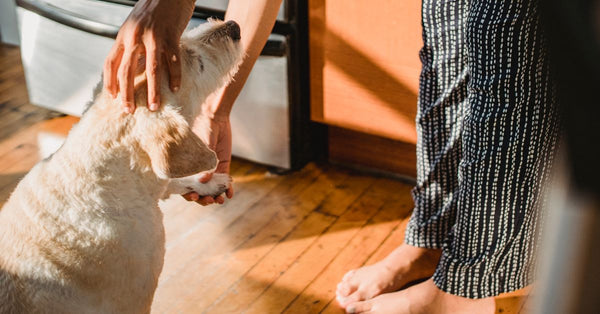
Watching your dog struggle with stiff joints can be heartbreaking. You might notice them taking longer to get up from their bed, hesitating before jumping into the car, or simply moving more slowly than they used to. The good news is that gentle, appropriate exercises can make a real difference to their comfort and mobility.
However, it's crucial to understand that home exercises for dogs with joint stiffness must never be attempted without proper professional guidance. Doing exercises incorrectly can actually cause harm rather than help your beloved companion.
Before exploring what exercises might benefit your dog, let's look at why professional assessment is so important and how to recognise the signs that your dog might benefit from targeted movement therapy.
Why Professional Guidance Comes First
Any qualified veterinary physiotherapist will need consent from your dog's vet before starting therapy. This isn't just bureaucracy, it ensures they understand your dog's complete medical history and can account for existing conditions that might affect which exercises are safe and beneficial.
This collaborative approach between your vet and physiotherapist creates the most comprehensive support plan. Your vet can rule out conditions that require specific medical attention, whilst the physiotherapist can design exercises tailored to your dog's particular needs and limitations.
Joint stiffness affects many dogs, with the condition becoming increasingly common as dogs age. The signs can be subtle at first, making professional assessment particularly valuable for early recognition and support.
Recognising the Subtle Signs of Joint Discomfort
Dogs with sore joints rarely vocalise their discomfort through yelping or whining. Instead, they show subtler changes in behaviour and movement that owners need to watch for carefully.
You might notice your dog slowing down generally or lagging behind on walks. Visible stiffness when getting up from their bed that 'loosens off' once they start moving is another common sign. Many dogs become reluctant to jump up or down from furniture or struggle with stairs they previously managed easily.
Changes in behaviour can be just as telling as physical signs. Some dogs become snappy or grumpier when dealing with joint discomfort. Others show restlessness at night or simply reduce their activity levels without any obvious reason.
When to seek veterinary attention for joint stiffness
Mild stiffness after rest
Dog shows slight stiffness when getting up but moves normally once warmed up. Book a routine vet check to discuss.
Noticeable mobility changes
Reluctance to jump, climb stairs, or obvious behaviour changes. Schedule a vet appointment within a few days.
Sudden onset or severe signs
Sudden joint stiffness, visible swelling, refusing to bear weight, or signs of severe pain require immediate veterinary attention.
These signs often become more prominent in cold weather, after over-exercise, or when your dog has been in a cramped space for some time. The key is noticing changes from your dog's normal behaviour and movement patterns.
Six Key Exercise Types That Can Help
Controlled Lead Walking
Slow walking on a lead helps dogs with stiff joints build muscle mass effectively. When dogs trot, they have a shorter stance phase, meaning their paws contact the ground for less time. This makes it easier for them to compensate by shifting weight to other limbs.
Slow walking increases the stance phase of each limb, promoting more even weight bearing and consequently increasing muscle strength around the joints. For dogs with stiffness, exercise frequency matters more than duration. Instead of one 45-minute walk, split this into two or three shorter walks of around 15 minutes each.
This approach helps dogs feel less stiff as they move frequently rather than lying down for extended periods. Regular movement improves circulation and supports natural joint function, both crucial for joint health.
Passive Range of Motion Exercises
These exercises involve moving your dog's joints without them using any energy. With your dog lying comfortably on their side, you gently flex and extend their limbs within their natural range of motion.
This helps maintain and increase joint flexibility whilst encouraging the production of synovial fluid, which acts as cushioning and shock absorption for joints. However, the key risk with these exercises is moving limbs too quickly or at incorrect angles, which is why professional instruction is vital before attempting these at home.
Static Weight Shifts
Dogs with stiff joints often compensate by shifting weight away from uncomfortable areas. For example, if stiffness affects the hind legs, dogs may 'front load', putting more weight on their front legs and creating additional strain on these joints.
Static weight shifts require two people and involve supporting the dog whilst gently encouraging weight distribution from side to side. This subtle movement helps promote more even weight bearing and muscle development, reducing uneven forces on different joints.
Sit-to-Stand Exercises
These exercises are the canine equivalent of squats, helping build muscles around hip and knee joints in a controlled manner. The key is ensuring your dog stands up straight in what professionals call the 'sagittal plane', standing without bending to one side.
Dogs might naturally bend to one side to compensate for joint discomfort, but this creates uneven muscle development. While these exercises seem straightforward, the number of repetitions must be tailored to each individual dog's condition and capabilities.
Cavaletti Pole Exercises
When dogs have stiff joints, they often develop reduced range of motion, resulting in shortened stride length. Cavaletti pole exercises involve placing poles on the ground for dogs to step over, encouraging them to flex and extend their legs more than usual.
By lifting their legs higher to navigate the poles, dogs strengthen both flexor and extender muscles whilst improving range of motion. However, incorrect pole spacing can cause dogs to trip or slip, and dogs with very limited mobility may not be suitable candidates for this exercise.
Circular Walking and Figure-of-Eight Patterns
These exercises can be performed indoors or in the garden and involve encouraging dogs to walk in large circles, figure-of-eight patterns, or between weaving poles. When walking in circles, dogs increase weight load on their inside legs, helping build muscle strength.
Their outside legs must stretch further than normal, targeting both sides of the body. However, dogs with very stiff joints may find circular movements put additional pressure on their joints, making this exercise inappropriate for some cases.
Creating a Supportive Home Environment
Simple home adaptations can significantly improve comfort for dogs with stiff joints. Keep everything your dog needs on ground level to avoid stairs wherever possible. Installing ramps for small steps, car access, and furniture can make a tremendous difference to their daily comfort.
Use non-slip matting on hard floors to prevent sliding, which can be particularly problematic for dogs with joint issues. Provide comfortable, warm, easily accessible bedding without high sides that might make getting in and out difficult.
The Critical Role of Weight Management
Obesity significantly worsens joint stiffness and increases the likelihood of developing joint problems. Excess weight creates additional pressure on joints, and fat tissue produces inflammatory proteins that can affect even non-weight-bearing joints.
Your vet or veterinary nurse can assess your dog's body condition score. If weight loss is needed, this will be necessary to reduce joint stress. Even a small reduction in weight can make a noticeable difference to your dog's comfort and mobility.
Modifying Exercise Approach
Intense physical exercise involving twists and turns increases the risk of stiffness and injury. For dogs with joint issues, moderate and regular exercise is key. Consider replacing high-impact activities like ball chasing with mental stimulation through puzzle toys and scent-focused walks.
Swimming, where available and appropriate, provides excellent low-impact exercise for stiff dogs that supports muscle development without stressing joints. However, this should also be introduced gradually and under professional guidance.
Understanding When Veterinary Care Is Essential
Professional diagnosis is essential because various conditions can cause similar symptoms. While osteoarthritis is the most common cause of joint stiffness, other possibilities include immune-mediated polyarthritis, joint injuries, Lyme disease, or developmental conditions like hip dysplasia.
Some conditions require specific attention, making accurate diagnosis crucial for effective management. Your vet might recommend blood tests, X-rays, or other diagnostic procedures to determine the exact cause of your dog's stiffness.
Regular veterinary monitoring helps ensure support effectiveness and allows for adjustments as conditions progress. Many dogs benefit from prescription medications, particularly anti-inflammatory drugs, which can be supplemented with additional support as needed. If you notice any worsening signs or new symptoms, speak to your vet.
Finding the Right Professional Support
When seeking physiotherapy support, look for practitioners registered with recognised associations. Any qualified veterinary physiotherapist should be willing to work collaboratively with your vet and will typically require veterinary consent before beginning sessions.
The relationship between owner, vet, and physiotherapist creates the most comprehensive approach to managing joint stiffness. This combines medical care, professional therapy, and appropriate home support to maintain your dog's quality of life.
Remember that joint supplements containing ingredients like glucosamine and chondroitin can support natural joint function, though they typically take several weeks to show effects. MedPaw's hip and joint supplement works best as part of a comprehensive management plan rather than standalone options, supporting your dog's joints alongside veterinary care and appropriate exercise.
Can I start home exercises for my stiff dog without seeing a vet first?
No, you should always speak to your vet before starting any exercise programme for a dog with joint stiffness. Your vet needs to rule out conditions that require specific medical attention and ensure the exercises are safe for your dog's particular situation. Many qualified physiotherapists also require veterinary consent before beginning therapy sessions.
How often should I do gentle exercises with my dog who has stiff joints?
For dogs with joint stiffness, frequency matters more than duration. Instead of one long walk, try splitting exercise into two or three shorter sessions of around 15 minutes each. This helps prevent your dog from lying down for extended periods, which can increase stiffness. However, the exact routine should be tailored to your dog's specific needs by a professional.
What are the early signs that my dog might benefit from gentle exercise therapy?
Early signs include taking longer to get up from their bed, hesitating before jumping into the car, or moving more slowly than usual. You might also notice reluctance to use stairs, lagging behind on walks, or behaviour changes like increased grumpiness or restlessness at night. These signs often become more noticeable in cold weather or after your dog has been resting.
Are there any exercises I should definitely avoid with a stiff dog?
Avoid high-impact activities involving twists and turns, such as ball chasing or intense play sessions. Never attempt passive range of motion exercises without proper professional instruction, as moving limbs incorrectly can cause harm. If your dog has very limited mobility, some exercises like cavaletti poles may not be suitable, which is why individual assessment is so important.
How long does it take to see improvement from gentle exercises for joint stiffness?
The timeframe varies greatly depending on your dog's individual condition and the underlying cause of their stiffness. Some dogs may show gradual improvement over several weeks, whilst others may need ongoing support to maintain their current mobility. Your vet can provide realistic expectations based on your dog's specific diagnosis and overall health status.