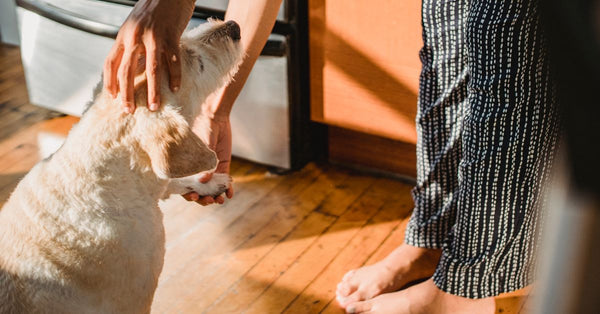
As a caring dog owner, you've probably wondered whether it's safe to share a bit of pork with your furry friend. Perhaps you're preparing Sunday roast and those hopeful eyes are watching your every move, or maybe you're considering adding variety to your dog's diet. The good news is that pork can be safe for dogs when prepared and served correctly, but there are important guidelines to follow.
Understanding how to safely include pork in your dog's diet isn't just about avoiding immediate harm. It's about making informed choices that support your dog's long-term health and wellbeing. From preparation methods to portion sizes, every detail matters when it comes to keeping your companion safe and healthy.
Let's explore everything you need to know about feeding pork to your dog, including the essential safety measures, appropriate serving sizes, and when to seek veterinary guidance.
The Basics of Pork Safety for Dogs
Plain, thoroughly cooked pork is generally safe for dogs when prepared without any seasonings, sauces, or additives. The key word here is "plain". This means no salt, garlic, onions, herbs, or any of the flavourings we typically use in human cooking. These common ingredients can be toxic to dogs and cause serious health problems.
Raw or undercooked pork should never be given to dogs due to the risk of parasitic infections, particularly trichinella spiralis larvae, which causes trichinosis. This parasitic infection affects the muscles and can cause various symptoms in dogs. Proper cooking eliminates this risk entirely, so always ensure pork is cooked through before offering it to your dog.
When preparing pork for your dog, remove all visible fat before serving. Pork contains a type of fat that's particularly difficult for dogs to digest, and the high fat content can lead to digestive upset or more serious conditions like pancreatitis.
Safe Serving Amounts and Frequency
Starting small is crucial when introducing pork to your dog's diet. Begin with just a few small pieces and monitor your dog for at least 24 hours for any signs of digestive upset or allergic reactions. Every dog is different, and what suits one may not suit another.
Pork should only be given as an occasional treat or supplement to a balanced diet, not as a regular meal replacement. The high fat content makes it unsuitable for frequent feeding in most dogs. Think of it as a special treat rather than a dietary staple.
For dogs that do tolerate pork well, it can be included more regularly only if it forms part of a nutritionally complete and balanced diet. However, for most pet owners, pork is best served as an occasional protein source. Consider combining small amounts of plain pork with vegetables and other nutrients as part of a complete meal rather than feeding it alone.
Health Risks and Considerations
The primary concern with feeding pork to dogs is its high fat content, which can cause digestive challenges and potentially lead to pancreatitis. This is inflammation of the pancreas, which can be serious and potentially life-threatening, requiring immediate veterinary attention.
Dogs with sensitive stomachs or a history of digestive issues should be given pork with extra caution, if at all. Signs of pancreatitis can include vomiting, diarrhoea, loss of appetite, lethargy, and abdominal pain. These symptoms can develop hours to days after consuming high-fat foods like pork.
When to seek veterinary attention after feeding pork
Mild digestive upset
Slight stomach gurgling or softer stools within 24 hours. Continue monitoring and withhold further pork.
Persistent symptoms
Vomiting, diarrhoea, or loss of appetite lasting more than a few hours, or any skin irritation.
Severe reactions
Repeated vomiting, severe lethargy, abdominal pain, or if seasoned or processed pork was consumed.
Some dogs may develop allergic reactions to pork, though this is less common than with other proteins. Signs of food allergies can include skin irritation, excessive scratching, digestive upset, or changes in behaviour. If you suspect an allergic reaction, discontinue feeding pork immediately and speak to your vet.
What to Avoid Completely
Processed pork products should never be given to dogs. This includes bacon, sausages, ham, and other cured or processed meats. These products contain high levels of salt, preservatives, and other additives that can be harmful to dogs. The salt content alone can cause serious health problems, including sodium poisoning.
Any pork that has been cooked with seasonings, spices, or sauces is off-limits for dogs. Many common cooking ingredients are toxic to dogs, including garlic and onions. Barbecue sauce and other condiments are particularly dangerous due to their high salt and sugar content, plus potentially toxic flavourings.
Never give dogs pork bones, whether cooked or raw. Cooked bones become brittle and can splinter, causing choking hazards or serious internal injuries to the oesophagus and other organs. Even raw bones carry some risk and should be avoided.
Signs of Poisoning from Toxic Ingredients
If your dog has accidentally consumed pork with seasonings or sauces, contact your vet immediately. Signs of poisoning from toxic ingredients like garlic or onions can include weakness, pale gums, rapid breathing, and collapse. These symptoms can develop quickly and require prompt medical attention.
Proper Preparation Methods
When preparing pork for your dog, the simplest methods are often the safest. Boil or bake the pork plain without any additives whatsoever. Remove all visible fat before cooking, as this reduces the risk of digestive problems.
Allow the meat to cool completely before offering it to your dog. Hot food can burn your dog's mouth and throat, and dogs often eat too quickly when excited about a special treat.
Handle pork for dogs the same way you would handle pork for human consumption regarding food safety. Store it properly in the refrigerator and use within safe timeframes. Never leave cooked pork out at room temperature for extended periods, as this can allow harmful bacteria to multiply.
Alternative Protein Sources
If you're looking for variety in your dog's protein sources, consider chicken as an alternative. Plain, boiled chicken is easier to digest and filled with essential vitamins, minerals, fats, and amino acids. Vets often recommend it for dogs experiencing gastrointestinal issues.
Fish is another excellent protein option that's generally well-tolerated and provides beneficial omega-3 fatty acids. Turkey, when prepared plain and without bones, can also be a good occasional protein source for most dogs.
Supporting Your Dog's Overall Health
Whilst occasional pork can be part of your dog's diet, maintaining overall nutritional balance remains crucial for supporting joint health and mobility. A complete and balanced diet provides the foundation for healthy joints throughout your dog's life.
The high fat content in pork means it should be given sparingly, especially for dogs prone to weight gain. Maintaining a healthy weight is one of the most important factors in supporting joint health and mobility in dogs. Excess weight puts additional strain on joints, potentially leading to discomfort and reduced mobility over time.
Remember that dietary choices, including protein sources like pork, work alongside other aspects of joint care. Regular veterinary check-ups, appropriate exercise, and professional guidance remain essential for maintaining your dog's joint health and overall wellbeing. For dogs requiring additional joint support, MedPaw's hip and joint supplement can provide targeted nutritional support alongside a balanced diet.
When to Consult Your Veterinarian
Always consult with your veterinarian before making significant changes to your dog's diet, especially if your dog has existing health conditions or is taking medications. Your vet can provide personalised advice based on your dog's specific needs and health status.
If your dog shows any unusual symptoms after eating pork, don't hesitate to contact your veterinary practice. This is particularly important if they've consumed pork with seasonings, sauces, or if you suspect they may have eaten pork bones.
Dogs with a history of pancreatitis, sensitive stomachs, or food allergies may need special dietary considerations. Your veterinarian can help you determine whether pork is appropriate for your individual dog and suggest suitable alternatives if needed.
How much pork can I safely give my dog as a treat?
Start with just a few small pieces of plain, cooked pork and monitor your dog for 24 hours for any digestive upset. Pork should only be an occasional treat due to its high fat content, not a regular part of their diet. The exact amount depends on your dog's size and tolerance, so it's best to speak to your vet for personalised guidance.
Can I give my dog leftover pork from Sunday dinner?
Only if the pork was cooked completely plain without any seasonings, salt, garlic, onions, or sauces. Most Sunday roast pork contains ingredients that are toxic to dogs. If your pork was seasoned or cooked with any additives, it's not safe for your dog and you should stick to plain, unseasoned cooked pork instead.
What should I do if my dog ate pork with seasoning by mistake?
Contact your vet immediately, especially if the pork contained garlic, onions, or high amounts of salt. Watch for signs like weakness, pale gums, vomiting, or lethargy, which can develop quickly. Don't wait to see if symptoms appear - it's always better to get professional advice straight away when toxic ingredients are involved.
Is pork harder for dogs to digest than other meats?
Yes, pork is generally harder for dogs to digest than chicken or turkey due to its higher fat content. This can cause stomach upset or potentially lead to pancreatitis, particularly in dogs with sensitive stomachs. If you're looking for easily digestible protein options, plain boiled chicken is often a better choice for most dogs.
Can I give my dog pork bones to chew on?
Never give dogs pork bones, whether cooked or raw. Cooked bones become brittle and can splinter, causing serious internal injuries or choking hazards. Even raw bones carry risks and should be avoided. If your dog needs something to chew, speak to your vet about safe alternatives designed specifically for dogs.