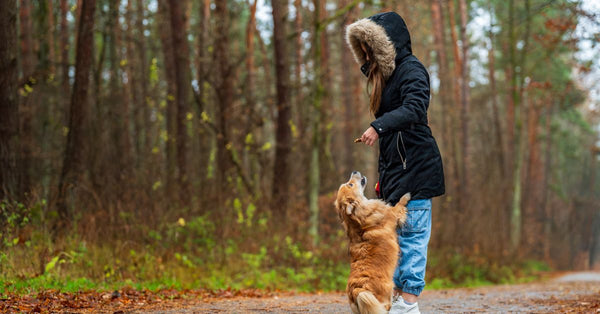
Watching your senior dog lose weight can be deeply worrying. Whilst many older dogs tend to put on a few extra pounds as they become less active, some actually begin shedding weight during their golden years. This change shouldn't be dismissed as simply part of getting older.
Weight loss in senior dogs often signals underlying health issues that need attention. Understanding the potential causes and knowing when to seek help can make all the difference to your dog's comfort and wellbeing. The good news is that many conditions causing weight loss can be managed effectively when caught early.
Let's explore what might be behind your senior dog's weight loss and how you can support them through this concerning time.
Common Medical Causes of Weight Loss in Senior Dogs
Several health conditions become more common as dogs age, and many can lead to unexplained weight loss. Recognising these possibilities helps you understand why your vet might suggest various tests.
Liver and Gallbladder Problems
The liver plays a crucial role in processing nutrients from food. When liver function declines, your dog's body struggles to absorb and use nutrients properly, even if they're eating normally. Gallbladder issues can similarly affect digestion and nutrient absorption.
These conditions often develop gradually, so weight loss may be subtle at first. Your dog might maintain their usual appetite whilst slowly losing condition.
Kidney Disease
Kidney disease is unfortunately common in senior dogs. The kidneys filter waste products from the blood and help maintain proper fluid balance. When they're not working efficiently, dogs often lose their appetite and may experience nausea, leading to weight loss.
Early kidney disease can be quite subtle, making regular health checks particularly important for older dogs.
Dental Disease and Pain
Dental problems affect many senior dogs and can significantly impact eating habits. Painful teeth or inflamed gums make chewing uncomfortable, causing dogs to eat less or avoid certain foods altogether.
You might notice your dog dropping food, chewing on one side of their mouth, or showing reluctance to eat harder kibble. Bad breath is often an early warning sign of dental issues. If you notice signs of dental pain or discomfort, speak to your vet about appropriate pain management and treatment options. For comprehensive guidance on maintaining your senior dog's oral health, our dental care for senior dogs guide provides detailed information on prevention and management strategies.
Heart Disease
Cardiovascular problems can affect appetite and energy levels. Dogs with heart disease may tire more easily and show less interest in food. The body's increased effort to maintain circulation can also contribute to weight loss.
Diabetes
Diabetes prevents the body from properly using glucose for energy. Paradoxically, dogs with diabetes often lose weight despite having an increased appetite. They may also drink and urinate more frequently.
Cancer
The risk of cancer increases with age, and weight loss can be an early symptom. Various types of cancer affect different body systems, but many cause a gradual decline in appetite and body condition.
Cancer doesn't always present with obvious symptoms initially, which is why unexplained weight loss should always be investigated promptly by your veterinarian.
When to seek urgent veterinary attention for weight loss
Gradual Weight Loss
Slow weight loss over several months with normal appetite and behaviour. Schedule a routine veterinary appointment within 1-2 weeks.
Noticeable Changes
Weight loss accompanied by changes in appetite, drinking, or energy levels. Contact your vet within a few days.
Rapid or Severe Loss
Sudden weight loss, refusal to eat, lethargy, or signs of pain. Seek immediate veterinary attention.
Age-Related Changes That Affect Weight
Not all weight loss in senior dogs stems from disease. Natural ageing processes can also influence your dog's ability to maintain their weight.
Metabolic Changes
As dogs age, their metabolism often changes. Some dogs become more efficient at storing energy and gain weight easily, whilst others experience the opposite effect. Their bodies may struggle to maintain weight due to less efficient digestion or altered hormone levels.
These changes can be subtle and develop over months or years, making them easy to overlook initially. Understanding when your dog is considered senior helps you recognise when to start monitoring for these age-related changes.
Reduced Digestive Efficiency
The digestive system can become less efficient with age. Your dog might eat the same amount of food but absorb fewer nutrients from it. This can lead to gradual weight loss despite maintaining normal eating habits.
Poor nutrient absorption often requires dietary adjustments rather than simply increasing food quantity.
Warning Signs to Watch For
Weight loss rarely occurs in isolation. Being aware of accompanying symptoms helps you provide your vet with valuable information and ensures nothing important is overlooked.
Changes in Appetite and Drinking
Monitor whether your dog's eating habits have changed. Are they showing less interest in food, or conversely, eating more but still losing weight? Changes in drinking patterns can also be significant. Both increased thirst and reduced water intake can indicate health problems.
Energy and Behaviour Changes
Has your dog become more lethargic or less interested in activities they previously enjoyed? Behavioural changes such as increased anxiety, confusion, or withdrawal can accompany weight loss and provide clues about underlying issues.
Physical Symptoms
Keep an eye out for difficulty eating or chewing, changes in urination patterns, digestive problems, or any visible lumps or bumps. These signs, combined with weight loss, warrant prompt veterinary attention.
How to Monitor Your Senior Dog's Weight
Regular monitoring helps you catch weight changes early, when they're easier to address.
Visual Assessment
When looking at your dog from above, you should be able to see a gentle hourglass waist shape. From the side, there should be a visible tuck-up behind the ribcage. If these features become more pronounced, your dog may be losing weight.
Physical Examination
You should be able to feel your dog's ribs with light pressure, but they shouldn't be prominently visible. Run your hands along your dog's body regularly to familiarise yourself with their normal body condition.
Regular Weighing
Weigh your senior dog monthly if possible. Many veterinary practices are happy for you to pop in to use their scales. Keep a record of the weights to track any gradual changes that might otherwise go unnoticed.
Supporting Your Senior Dog's Nutrition
Once medical causes have been ruled out or are being managed, nutritional support becomes crucial for maintaining healthy weight in senior dogs.
Adjusting Nutritional Needs
Senior dogs have different nutritional requirements compared to younger dogs. They may need adjusted levels of protein to maintain muscle mass, different fat content, and specific nutrients to support ageing organs.
Many commercial senior dog foods are formulated to meet these changing needs, but individual requirements can vary significantly. Our comprehensive guide to senior dog nutritional needs explains these requirements in detail and helps you make informed decisions about your dog's diet.
Feeding Strategies
Consider offering smaller, more frequent meals rather than one or two large portions. This can help improve appetite and make digestion easier. Warming food slightly can make it more appealing to dogs with reduced appetite.
If your dog has joint problems that make reaching their bowl difficult, raised feeding stations can help maintain comfortable eating positions.
The Importance of Gentle Exercise
Whilst senior dogs need less vigorous exercise, regular gentle activity remains important for maintaining muscle mass and supporting healthy weight.
Adapting Exercise Routines
Short, frequent walks are often better than long, strenuous outings. Monitor your dog carefully for signs of fatigue and adjust activities accordingly. Mental stimulation through puzzle feeders or gentle training can provide enrichment without physical strain.
For dogs with joint stiffness or mobility issues, swimming or hydrotherapy might be beneficial options to discuss with your vet.
Working With Your Veterinarian
Professional veterinary care is essential for properly addressing weight loss in senior dogs. Your vet can calculate precise caloric requirements, recommend appropriate dietary changes, and monitor your dog's response to interventions.
Diagnostic Approach
Your veterinarian will likely recommend blood tests to check organ function, rule out diabetes, and assess overall health status. These tests help identify conditions that might be causing weight loss and can be managed with appropriate care.
Ongoing Monitoring
Senior dogs benefit from more frequent health checks, typically every six months rather than annually. This allows for early detection of age-related changes and prompt intervention when needed.
Complementary Support for Joint Health
If arthritis or joint stiffness is contributing to your dog's difficulty maintaining weight, supporting their mobility can help them stay more comfortable during eating and daily activities.
Joint supplements containing ingredients like glucosamine and chondroitin may help support cartilage health, whilst green-lipped mussel provides natural compounds that support joint comfort. MedPaw's hip and joint supplement combines these scientifically-backed ingredients to help maintain your senior dog's mobility and quality of life.
Always discuss any supplements with your vet to ensure they're appropriate for your dog's specific situation and won't interfere with any medications.
Moving Forward With Confidence
Weight loss in senior dogs requires attention, but it doesn't necessarily mean your dog's golden years can't be comfortable and enjoyable. Many conditions causing weight loss can be managed effectively with proper veterinary care and supportive nutrition.
The key is acting promptly when you notice changes and working closely with your veterinary team. Regular monitoring, appropriate nutrition, and gentle exercise all play important roles in supporting your senior dog's health.
Remember that age alone isn't a reason to accept declining health. With proper care and attention, many senior dogs continue to thrive and enjoy their later years, maintaining good body condition and quality of life well into their golden years.
How much weight loss is normal for a senior dog?
Any unexplained weight loss in a senior dog warrants veterinary attention, as it's not a normal part of ageing. Even gradual weight loss over several months should be investigated, as it often indicates underlying health issues that can be managed when caught early. Your vet can determine if the weight loss is significant and help identify any underlying causes.
Should I change my senior dog's food if they're losing weight?
Don't change your dog's diet without consulting your vet first, as weight loss can indicate serious health conditions that need proper diagnosis. Your veterinarian can determine whether the weight loss is due to the current diet, an underlying medical condition, or age-related changes. They may recommend specific senior formulations or therapeutic diets based on your dog's individual needs.
Can joint problems cause weight loss in older dogs?
Yes, joint stiffness and arthritis can contribute to weight loss if they make eating uncomfortable or reduce your dog's overall activity levels. Dogs with joint pain might struggle to reach their food bowl or feel less motivated to eat. If you suspect joint issues are affecting your dog's weight, speak to your vet about pain management options and consider raised feeding stations to make eating more comfortable.
When should I be worried about my senior dog's weight loss?
Contact your vet if you notice any weight loss accompanied by changes in appetite, drinking habits, energy levels, or behaviour. Rapid weight loss, refusal to eat, or signs of pain require immediate veterinary attention. Even gradual weight loss over several months should be investigated, as early intervention often leads to better outcomes for senior dogs.
Can supplements help my senior dog maintain a healthy weight?
Joint supplements may help support mobility and comfort, which can indirectly help with maintaining healthy weight by keeping your dog more active and comfortable during eating. However, supplements are complementary feeds that support joint health rather than treat weight loss directly. Always speak to your vet about the underlying cause of weight loss, as this usually requires proper veterinary diagnosis and treatment.