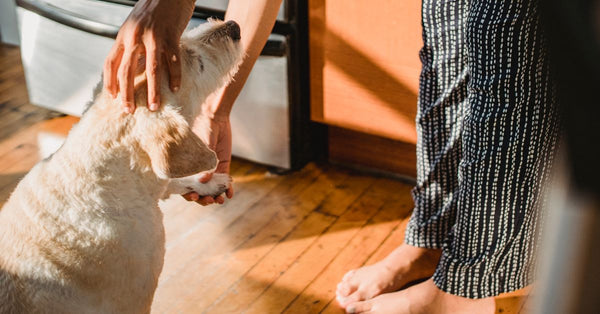
If you've noticed your dog moving a bit more slowly lately, taking longer to get up from their bed, or seeming less enthusiastic about their daily walks, you're not alone in your concerns. Joint stiffness is incredibly common in dogs, affecting far more of our four-legged friends than many owners realise.
Understanding what's actually happening inside your dog's joints when they become stiff and uncomfortable can help you recognise the signs early and take steps to support their comfort and mobility. The good news is that with the right approach, many dogs with joint stiffness can continue to live happy, active lives.
Let's explore what causes joint stiffness, how to spot the often subtle signs that your dog might be struggling, and what you can do to help support their joint health and overall wellbeing.
How Common Are Joint Problems in Dogs?
Joint problems are far more widespread than many dog owners expect. Studies suggest that joint conditions become increasingly common as dogs age, with many dogs developing some form of joint stiffness during their lifetime.
This means that if your dog is showing signs of stiffness, there's a very good chance they're dealing with a joint-related issue. The key is recognising these signs early, as dogs are remarkably good at hiding their discomfort.
Larger breeds tend to be more susceptible to joint problems due to the increased stress their weight places on their joints over time. However, smaller dogs aren't immune. They can develop joint issues too, particularly as they age or if they have genetic predispositions.
What Causes Joint Stiffness in Dogs?
Joint stiffness in dogs typically falls into two main categories, each with different underlying causes and development patterns.
Degenerative Joint Conditions
These develop gradually over time through repeated use and natural wear on your dog's joints. The most common form is osteoarthritis, which involves the gradual wearing down of cartilage and damage to tendons and other joint structures.
Degenerative conditions can range from stress fractures to injuries that don't heal properly, eventually leading to ongoing stiffness and discomfort. These problems often become more noticeable as dogs enter their middle and senior years, though they can begin developing much earlier.
Developmental Joint Issues
These conditions are present from birth and typically result from genetic factors that cause improper joint development during puppyhood. Common examples include hip dysplasia and elbow dysplasia.
Many dog breeds have predispositions to specific joint problems. Rottweilers are prone to knee and ankle joint issues, Bernese Mountain Dogs commonly develop elbow dysplasia, and Newfoundlands frequently experience cruciate ligament problems. Understanding your dog's breed-specific risks can help you watch for early warning signs.
What's Actually Happening Inside Stiff Joints
When your dog's joints become stiff and uncomfortable, several processes are occurring simultaneously inside their body. Understanding these changes can help you appreciate why early intervention is so important.
Cartilage Breakdown
The smooth cartilage that normally cushions joints begins to wear away, creating friction between bones during movement. This loss of cushioning makes every step potentially uncomfortable and can lead to further joint damage over time.
Chronic Inflammation
The body's inflammatory response kicks in, causing swelling, heat, and discomfort around affected joints. Whilst inflammation is initially protective, it can become chronic and actually perpetuate the cycle of discomfort and joint damage.
Supporting Structure Damage
Tendons, ligaments, and other structures that support and stabilise joints may weaken or become damaged. This can lead to joint instability and further complications.
Discomfort Sensitisation
A concerning phenomenon called 'wind-up' can occur when dogs become accustomed to being uncomfortable. Their nervous system becomes more sensitive to discomfort signals, meaning they expect and feel discomfort more acutely than they would normally. This is why early management is so crucial.
Stages of joint stiffness progression in dogs
Occasional stiffness
Slight hesitation when getting up, more noticeable in cold weather or after rest periods
Regular mobility issues
Visible stiffness that improves with movement, reluctance to jump or climb stairs, slower on walks
Significant limitation
Obvious difficulty moving, persistent limping, behavioural changes, reluctance to exercise
Risk Factors That Make Joint Problems Worse
Several factors can significantly worsen joint stiffness and accelerate the progression of joint problems in dogs.
Excess Weight
Obesity is one of the most significant factors worsening joint problems. Overweight dogs place additional pressure on their joints with every step they take. What's particularly concerning is that fat tissue produces inflammatory proteins that can affect even non-weight-bearing joints, creating a systemic inflammatory response throughout the body.
Even a small amount of excess weight can make a substantial difference to your dog's comfort levels. Maintaining an optimal weight is one of the most effective ways to support joint health.
Previous Injuries
Dogs who have experienced joint injuries in the past are significantly more likely to develop arthritis and stiffness in those areas later in life. This is why proper treatment and rehabilitation of injuries is so important, even if they seem minor at the time.
Environmental Factors
Cold, damp conditions often exacerbate joint stiffness and discomfort. Many owners notice their dogs are considerably stiffer on cold mornings or during winter months. Hard floors can cause dogs to slip and slide, which is extremely uncomfortable for joints that are already stiff.
Recognising the Subtle Signs of Joint Discomfort
Dogs rarely vocalise their joint discomfort through whining or yelping. Instead, they show more subtle signs that owners often miss or attribute to normal ageing. Learning to recognise these early warning signs is crucial for your dog's wellbeing.
Movement Changes
Watch for your dog slowing down generally or lagging behind on walks. You might notice visible stiffness when they get up from their bed that seems to 'loosen off' once they start moving. Many dogs become reluctant to jump, climb stairs, or get into the car, and may show difficulty lying down or getting comfortable.
Behavioural Changes
Dogs experiencing discomfort often become snappy or grumpy, particularly when touched around sore areas. You might notice restlessness at night or difficulty settling, reduced enthusiasm for activities they previously enjoyed, or changes in appetite and general demeanour.
These behavioural changes are often the first signs owners notice, and they're just as important as physical symptoms.
Physical Signs
More obvious physical signs include limping or favouring one leg, muscle wastage around affected joints, and swelling or heat around joint areas. However, these typically appear after the condition has already progressed significantly.
When to Seek Veterinary Advice
You should consult your veterinarian if you notice any sudden onset of stiffness or limping, gradual changes in your dog's mobility or enthusiasm for exercise, signs of discomfort when moving, or behavioural changes that might indicate discomfort.
Urgent veterinary attention is needed if your dog suddenly cannot bear weight on a limb, there's obvious swelling, heat, or deformity around a joint, your dog shows severe discomfort when touched, or they're unable to get up or move normally.
It's impossible to diagnose the specific cause of joint stiffness without a thorough veterinary examination. Different causes can appear very similar but may require completely different approaches. Some conditions that can cause joint stiffness include osteoarthritis, immune-mediated polyarthritis, Lyme disease, joint injuries, and developmental conditions like hip or elbow dysplasia.
Supporting Your Dog's Joint Health at Home
Whilst veterinary care is essential for diagnosis and management, there are many ways you can support your dog's joint health and comfort at home.
Weight Management
Maintaining your dog at an optimal weight is absolutely crucial. Your vet can assess your dog's body condition score and provide guidance on appropriate weight management if needed. Even small amounts of weight loss can make a significant difference to joint comfort.
Exercise Modification
Replace high-impact activities with moderate, regular exercise. Three shorter walks may be better than one long walk for dogs with joint stiffness. Focus on mental stimulation through puzzle toys and scent work rather than physically demanding games like fetch or agility.
Home Environment Adaptations
Simple changes to your home can make a huge difference to your dog's comfort. Ensure everything your dog needs is on ground level to avoid stairs where possible. Install ramps for small steps, car access, or furniture access. Use non-slip matting on hard floors and provide a comfortable, warm, easily accessible bed without high sides.
For dogs experiencing stiffness, warmth therapy and gentle massage can provide additional comfort and help ease joint stiffness, particularly during colder months.
Supportive Nutrition
Joint supplements containing ingredients like glucosamine, chondroitin, and omega-3 fatty acids can help support joint function and comfort. These natural compounds work to support the body's own joint maintenance processes, though they may take several weeks to show their full effects.
Green-lipped mussel is particularly beneficial as it provides natural compounds that can help support joint function. When choosing a supplement, look for products specifically formulated for dogs with high-quality, well-researched ingredients.
The Importance of Early Intervention
Early recognition and management of joint problems is crucial for your dog's long-term wellbeing. The sooner appropriate support begins, the better the long-term outcome for your dog's mobility and quality of life.
Management isn't just about immediate comfort. It helps prevent the nervous system from becoming oversensitised to discomfort, which can make future management significantly more challenging. This is why addressing joint stiffness early, even when it seems mild, is so important.
A comprehensive approach to joint health includes understanding how your dog's joints work and what can go wrong. This knowledge helps you make informed decisions about your dog's care and recognise when professional veterinary advice is needed.
Remember that joint supplements work alongside, not instead of, veterinary care. MedPaw's joint supplements for dogs contains carefully selected ingredients including glucosamine, chondroitin, and green-lipped mussel to support your dog's joint health naturally. They're complementary feeds that support joint function but cannot replace proper veterinary diagnosis when needed. Always work with your vet to develop a comprehensive management plan tailored to your dog's specific needs and condition.
With the right combination of veterinary care, appropriate exercise, weight management, and nutritional support, many dogs with joint stiffness can continue to live comfortable, active lives well into their senior years. The key is recognising the signs early and taking a proactive approach to supporting your dog's joint health.