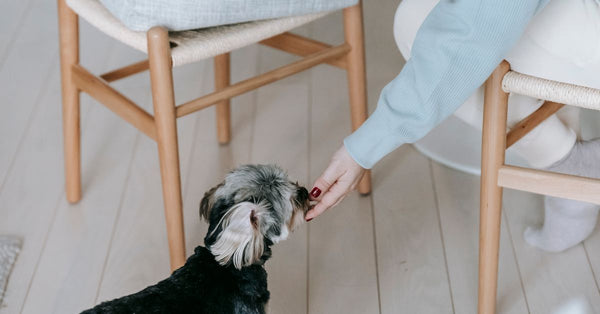
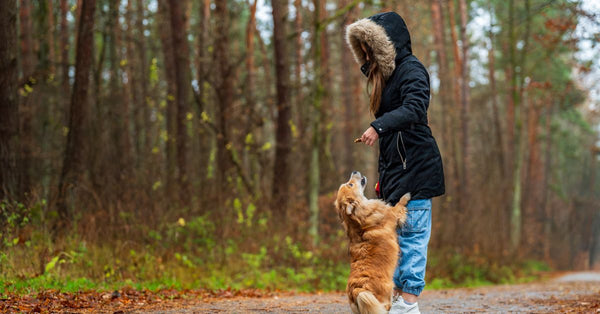
When your dog seems frightened of everything from the doorbell to children playing in the park, it can be heartbreaking to watch. You might notice your normally happy companion cowering at everyday sounds, hiding behind your legs when visitors arrive, or refusing to go on walks they once enjoyed. This kind of generalised fear isn't uncommon, and whilst it can feel overwhelming as an owner, understanding why it happens is the first step towards helping your dog feel more secure.
Fear serves an important purpose in the wild, helping animals avoid genuine dangers. However, when domestic dogs become scared of routine situations like household noises, strangers, or even leaving the house, it significantly impacts their quality of life. The good news is that with patience, understanding, and the right approach, many fearful dogs can learn to feel more confident in their daily lives.
Let's explore what might be causing your dog's fearfulness and how you can support them through it, including the surprising ways that chronic anxiety can affect their physical wellbeing and mobility.
Why Some Dogs Develop Generalised Fear
Understanding the root causes of your dog's fearfulness helps you respond with empathy rather than frustration. Several factors can contribute to a dog becoming scared of seemingly everything around them.
The Critical Socialisation Window
The most significant factor in fearful behaviour is what happens during puppyhood, specifically between 8 and 16 weeks of age. This period, known as the critical socialisation window, is when puppies are naturally more open to new experiences. Dogs who don't encounter a wide variety of people, animals, environments, sounds, and situations during this time are more likely to find unfamiliar things frightening later in life.
This might explain why your dog seems terrified of people wearing hats, children with pushchairs, or the sound of skateboards. These weren't necessarily traumatic experiences, but rather things they simply never encountered during that crucial developmental period.
Inherited Tendencies
Some dogs inherit a predisposition towards anxiety and fearfulness. Puppies born to anxious mothers are more likely to develop fearful behaviours themselves, suggesting both genetic factors and early environmental influences shape temperament. This doesn't mean fearful dogs can't improve, but it helps explain why some dogs seem naturally more sensitive than others.
Past Traumatic Experiences
Sometimes a single frightening incident creates lasting fear responses that spread to similar situations. A dog startled by fireworks during a walk might develop fear of all loud noises and become reluctant to walk in that area again. These fears can generalise surprisingly broadly, affecting the dog's confidence in many different situations.
Underlying Health Issues
Physical discomfort can manifest as fearful behaviour, particularly when dogs become "hand shy" or nervous about being touched. Joint pain, dental problems, or other medical conditions might make your dog reluctant to engage in normal activities or interactions because movement or touch causes discomfort.
This connection between physical and emotional wellbeing is particularly important to recognise. If your dog's fearfulness seems to have developed suddenly or is accompanied by changes in movement or behaviour, it's worth speaking to your vet to rule out any underlying health issues.
Recognising the Signs of Fear in Your Dog
Fear doesn't always look the same in every dog. Whilst some obvious signs are easy to spot, others are much more subtle and can be easily missed or misinterpreted.
Clear Fear Signals
The most obvious signs include trembling or shivering, a hunched body posture with the head lowered, and raised hackles (hair standing up on the neck and back). You might also notice your dog cowering, trying to hide, or panting excessively when they're not hot or after exercise.
Understanding your dog's fear responses
Early Warning Signs
Subtle lip licking, slow movements, excessive sniffing, or mild avoidance behaviours that might be easily overlooked.
Clear Distress
Obvious trembling, panting, cowering, or attempting to hide. Dog may freeze or move very slowly.
Panic Response
Intense shaking, drooling, loss of bladder control, or reactive behaviours like barking and lunging. Requires immediate intervention.
Subtle Fear Indicators
More subtle signs include moving in slow motion or freezing completely, repeatedly licking their lips when there's no food around, or constantly trying to move away from whatever is causing stress. You might also notice displacement behaviours like excessive sniffing of the ground or sudden scratching when they're not actually itchy.
These quieter signals are often the first warnings that your dog is feeling uncomfortable. Recognising them early can help prevent escalation to more obvious distress.
Fear-Based Reactive Behaviours
Some behaviours that appear aggressive, such as barking, lunging on the lead, or snapping, actually stem from fear rather than dominance or territorial instincts. These reactive responses typically occur when a dog feels trapped or unable to escape from what they perceive as a threat.
Understanding this distinction is crucial because the management approach for fear-based reactivity differs significantly from dealing with truly aggressive behaviour.
Common Triggers That Frighten Dogs
Fearful dogs often react to predictable categories of stimuli, though the specific triggers can vary widely between individual dogs.
Environmental Sounds
Everyday noises can be overwhelming for anxious dogs. Whilst most dogs might briefly startle at a dropped pan, fearful dogs may run and hide for hours afterwards. Traffic noise, construction sounds, household appliances, and sudden loud noises can all trigger intense fear responses that seem disproportionate to the actual threat.
Children and Their Unpredictable Energy
Children's quick movements, high-pitched voices, and energetic behaviour can be particularly challenging for fearful dogs. The combination of rapid movements and loud sounds that characterise children's play can overwhelm dogs who are already anxious about their environment.
This doesn't mean your dog dislikes children, but rather that the unpredictable nature of childhood behaviour feels threatening to an already anxious mind.
Meeting Other Dogs
Dogs who haven't had adequate socialisation with other canines may find encounters with unfamiliar dogs stressful. This fear can manifest as avoidance, hiding behind owners, or reactive behaviour when escape isn't possible. Even friendly approaches from other dogs can feel overwhelming.
Strangers and New People
Many fearful dogs struggle with meeting new people, making it difficult to have visitors or take them to public spaces. This fear may be particularly pronounced with certain types of people, such as men, children, or individuals wearing unusual clothing or carrying equipment like walking sticks or bags.
How Fear Affects Your Dog's Physical Health
The connection between emotional and physical wellbeing in dogs is stronger than many owners realise. Chronic fear and anxiety can impact your dog's mobility and joint health in several important ways.
Reduced Exercise and Activity
Fearful dogs often become reluctant to go on walks or engage in physical activity. This reduction in movement leads to muscle weakness, joint stiffness, and reduced cardiovascular fitness. When dogs avoid exercise due to anxiety, existing joint issues can worsen, and new mobility problems may develop.
The irony is that regular, gentle exercise is one of the best ways to maintain joint health, but fear can prevent dogs from accessing this natural support.
Stress-Related Physical Changes
Chronic stress and anxiety contribute to systemic inflammation throughout the body, potentially affecting joint health and overall wellbeing. Prolonged stress responses may interfere with the body's natural healing processes and immune function, creating a cycle where anxiety impacts physical health, which in turn can increase anxiety.
Abnormal Movement Patterns
When dogs are fearful, they often adopt unusual postures or movement patterns. They might hunch their bodies, tense their muscles, or move in unnatural ways to try to appear smaller or less noticeable. Over time, these compensatory behaviours can place additional stress on joints and muscles, potentially leading to discomfort or injury.
Avoidance of Beneficial Activities
Fear may prevent dogs from engaging in activities that would normally support their joint health and overall fitness. Swimming, gentle play, or controlled exercise routines recommended by veterinarians become impossible when anxiety dominates a dog's response to the world.
Supporting Your Fearful Dog
Helping a fearful dog requires patience, consistency, and a gentle approach that respects their emotional state whilst gradually building confidence.
Creating Safe Spaces
Provide your dog with a designated retreat where they can feel secure when overwhelmed. This might be a quiet room, a covered crate with comfortable bedding, or a specific corner of the house where they won't be disturbed. Respect this space and never force your dog out when they've chosen to retreat there.
Gradual Exposure and Building Confidence
Work slowly to help your dog become more comfortable with their fears through controlled, positive exposure. This process should always stay within your dog's comfort zone to avoid increasing anxiety. Start at a distance or intensity level where your dog notices the trigger but doesn't react fearfully, then gradually and patiently work closer or increase intensity over many sessions.
Positive Reinforcement Approaches
Use reward-based training methods to help build your dog's confidence. Reward calm, confident behaviour with treats, praise, or whatever your dog finds most motivating. Crucially, avoid punishing fearful responses, as this typically worsens anxiety and can damage the trust between you and your dog.
Maintaining Predictable Routines
Establish consistent daily routines for feeding, exercise, and activities. Predictability helps reduce anxiety by giving fearful dogs a sense of security and control over their environment. When dogs know what to expect, they're often better able to cope with unexpected events.
Adapting Exercise for Anxious Dogs
Maintaining your dog's physical health becomes more challenging when fear limits their willingness to exercise, but creative adaptations can help.
Indoor Activities
Consider indoor games, puzzle toys, or gentle play sessions that provide mental and physical stimulation without the stress of outdoor environments. Teaching new tricks or practising basic commands can provide both mental exercise and confidence-building opportunities.
Garden-Based Exercise
If your dog feels safe in your garden, maximise this space for physical activity. Even a small garden can provide opportunities for gentle movement, sniffing games, or supervised play that supports joint mobility.
Very Short, Positive Outdoor Experiences
For dogs who are fearful outdoors, start with extremely brief, positive experiences. This might mean simply stepping outside the front door for a few seconds with high-value treats, gradually building up tolerance over time.
When to Seek Professional Help
Whilst many cases of fearfulness can be managed with patience and consistent home strategies, some situations require professional intervention.
Immediate Veterinary Attention
Contact your vet promptly if you notice sudden onset of fearful behaviour in a previously confident dog, as this can indicate underlying medical issues. Also seek immediate help if fear is accompanied by changes in appetite, elimination habits, or sleep patterns, or if you notice any signs of pain such as reluctance to move or stiffness when getting up.
Safety concerns such as aggressive behaviour that poses a risk, or complete inability to function normally due to fear, also warrant immediate professional attention.
Routine Veterinary Consultation
Schedule a consultation if fearful behaviour persists despite your best efforts, significantly impacts your dog's quality of life, or prevents necessary veterinary care or grooming. Your vet can rule out medical causes, discuss whether anti-anxiety medication might be helpful, and provide guidance on behaviour modification approaches.
Professional Behaviour Support
Consider working with a qualified animal behaviourist or certified dog trainer who specialises in fear-based issues, particularly if the fear is severe or involves multiple triggers. Professional guidance can be invaluable in developing a structured plan tailored to your dog's specific needs.
Supporting Long-Term Wellbeing
Managing a fearful dog is often a long-term commitment that requires ongoing attention to both emotional and physical health.
Nutritional Support
Discuss with your veterinarian whether MedPaw's hip and joint supplement might be beneficial, particularly if fear has led to reduced activity levels. A balanced diet appropriate for your dog's age and activity level supports overall health and may help maintain joint function even when exercise is limited.
Regular Health Monitoring
Fearful dogs can be more challenging to examine, making regular health checks even more important. Work with your veterinary team to develop strategies for stress-free examinations and monitoring, ensuring that physical health problems don't go unnoticed.
Remember that recovery from generalised fear takes considerable time and patience. Consistent, gentle approaches are far more effective than attempting to force rapid changes, which typically worsen anxiety. Every small step forward is progress worth celebrating, and with appropriate support, many fearful dogs can learn to navigate their world with greater confidence whilst maintaining their mobility and overall wellbeing.
Can fear and anxiety in dogs actually cause physical health problems?
Yes, chronic fear and anxiety can significantly impact your dog's physical wellbeing. Fearful dogs often avoid exercise, leading to muscle weakness and joint stiffness. Prolonged stress can also contribute to inflammation throughout the body and may interfere with natural healing processes. If your dog's fearfulness has developed suddenly or you notice changes in their movement, it's worth speaking to your vet to rule out any underlying health issues.
How long does it typically take for a fearful dog to become more confident?
Recovery from generalised fear varies greatly between dogs and can take months or even years of consistent, patient work. The timeline depends on factors like the severity of the fear, your dog's age, past experiences, and how early intervention begins. Small improvements might be visible within weeks, but significant confidence building is usually a gradual process that requires ongoing commitment and realistic expectations.
Should I comfort my dog when they're scared or will this make the fear worse?
You cannot reinforce fear by comforting your dog - emotions aren't the same as behaviours. Gentle reassurance and staying calm yourself can actually help your anxious dog feel more secure. However, avoid forcing interaction or overwhelming them with attention when they're frightened. Instead, provide a calm presence and let them choose whether to seek comfort from you.
My fearful dog won't go on walks anymore - how can I keep them physically healthy?
Focus on indoor activities like puzzle toys, gentle play sessions, and teaching new tricks to provide mental and physical stimulation. If your dog feels safe in the garden, maximise this space for movement and sniffing games. For outdoor-fearful dogs, start with extremely brief positive experiences like stepping outside for seconds with treats, gradually building tolerance over time whilst maintaining their joint health through alternative activities.
When should I be concerned enough about my dog's fearfulness to contact the vet?
Contact your vet if fearful behaviour appears suddenly in a previously confident dog, as this can indicate medical issues. Also seek help if fear prevents normal activities like eating, sleeping, or going outside for toilet breaks, or if you notice any signs of pain or discomfort. Your vet can rule out physical causes and discuss whether your dog might benefit from professional behaviour support or other interventions.