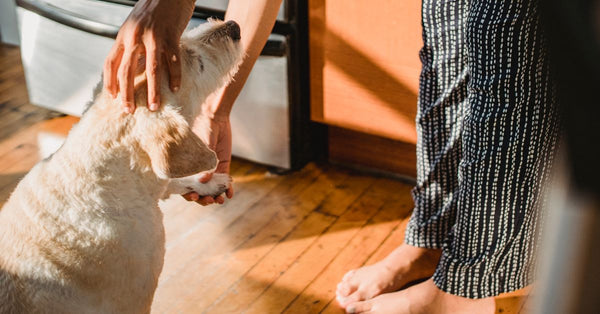
Watching your beloved dog enter their senior years can bring mixed emotions. Whilst you may notice them slowing down or seeming less enthusiastic about their usual activities, this doesn't mean their active days are behind them. In fact, regular exercise remains one of the most important things you can do to support your older dog's health, comfort and quality of life.
Many owners worry about pushing their senior dog too hard or causing discomfort, but the right approach to exercise can actually help maintain joint mobility, muscle strength and mental sharpness. The key lies in understanding how to adapt activities to suit your dog's changing needs whilst still providing the physical and mental stimulation they crave.
Every senior dog is unique, and what works for one may not suit another. By learning to recognise the signs of healthy exercise versus overexertion, you can help your older companion stay active, engaged and comfortable for years to come.
When Does a Dog Become Senior?
The transition to senior status varies considerably depending on your dog's size and breed. Generally, dogs are considered senior from around 7 years of age, but this timeline shifts significantly based on their physical characteristics.
Large and giant breed dogs age more rapidly than their smaller counterparts. A Great Dane or German Shepherd may be considered senior as early as 5 to 6 years old, whilst a Chihuahua or Jack Russell Terrier typically doesn't reach senior status until closer to 10 years of age. This difference reflects the faster metabolic processes and shorter lifespans generally seen in larger breeds.
The most common early signs of ageing include reduced exercise tolerance and changes in mobility. You might notice your dog taking longer to get up from their bed, showing less enthusiasm for walks, or seeming stiff after periods of rest. These changes often develop gradually, making them easy to miss initially.
Why Exercise Remains Crucial for Senior Dogs
Despite the natural slowing down that comes with age, physical activity continues to play a vital role in your senior dog's wellbeing. Regular movement supports multiple aspects of their health in ways that become even more important as they age.
Joint and Muscle Health
Movement keeps muscles, ligaments, tendons and joints functioning properly. When dogs become sedentary, muscle mass decreases and joints can become stiffer. Gentle, regular exercise helps maintain the strength and flexibility that supports comfortable movement.
Think of it like the old saying "use it or lose it". Joints that move regularly tend to stay more mobile than those that remain static. This doesn't mean intense activity, but rather consistent, appropriate movement that keeps everything working as it should.
Weight Management
Maintaining a healthy weight becomes increasingly important as dogs age. Extra pounds place additional stress on already vulnerable joints and can worsen mobility problems. Regular exercise, combined with appropriate nutrition, helps prevent the weight gain that often accompanies reduced activity levels in senior dogs.
Mental Stimulation and Cognitive Health
Physical activity stimulates the mind as well as the body. Dogs encounter new scents, sights and experiences during walks and play sessions, which helps maintain cognitive function. This mental engagement may help slow the onset of age-related cognitive changes, keeping your dog sharper for longer.
The routine and structure that regular exercise provides also offers psychological benefits, giving senior dogs something to anticipate and enjoy each day.
How Much Exercise Do Senior Dogs Need?
Senior dogs generally benefit from 30 to 60 minutes of exercise daily, similar to younger dogs. However, the approach needs to be more thoughtful and flexible. For dogs with mobility issues or underlying medical conditions, a 20-minute daily walk may provide sufficient activity.
The golden rule is to let your senior dog set the pace. Watch their body language and energy levels carefully, and be prepared to adjust your plans accordingly. Many older dogs prefer multiple shorter walks throughout the day rather than one or two longer excursions.
Exercise tolerance signs in senior dogs
Comfortable Activity
Normal breathing, eager participation, quick recovery after exercise
Mild Fatigue
Slightly increased panting, slower pace, needs more rest breaks
Overexertion
Excessive panting, reluctance to continue, limping or obvious discomfort
This approach helps prevent overexertion whilst still providing the necessary physical activity. Remember that consistency matters more than intensity. Regular, gentle exercise is far more beneficial than sporadic bursts of activity.
Getting Veterinary Clearance
Before starting any new exercise programme with your senior dog, schedule a veterinary examination. A thorough physical exam and senior bloodwork can help identify any underlying conditions that might affect your dog's ability to exercise safely.
Certain medical conditions, such as heart disease or advanced joint conditions, might prevent senior dogs from participating in specific activities. Your vet can provide tailored advice based on your dog's individual health status and help you create an appropriate exercise plan.
Senior pets benefit from veterinary checkups every six months rather than annually. These regular wellness visits help catch health changes early, allowing treatment to begin promptly and helping to maintain quality of life.
Starting Slowly and Safely
When beginning any new exercise routine, start gradually to assess how your senior dog responds. Introduce one activity at a time so you can identify exactly what works well and what might cause problems.
For dogs with joint stiffness, gentle stretching before exercise can be helpful. Simple movements like "bicycling" the hind legs, extending the shoulders in different directions, or helping your dog move from sit to stand several times can help warm up muscles and joints.
The "downward-facing dog" position, where your dog stretches with their front end low and rear end high, naturally stretches the groin muscles and spine. Many dogs do this instinctively, but you can gently encourage it as part of a pre-exercise routine.
Best Exercise Activities for Senior Dogs
Walking
Walking remains the foundation of exercise for most senior dogs. When possible, choose low-impact surfaces such as grass, dirt or sand rather than concrete or tarmac, which can be harder on joints and paws.
Aim for consistency in your walking routine. Similar times each day and predictable durations help senior dogs anticipate and look forward to their outings. Two 30-minute walks per day work well for many dogs, but adjust based on your dog's comfort and energy levels.
Weather considerations become more important with senior dogs. Avoid walking during excessively hot or cold conditions, as older dogs are more sensitive to temperature extremes. A raincoat or sweater during inclement weather can help keep your dog comfortable and willing to exercise.
Swimming
Swimming provides excellent total-body, low-impact exercise that's particularly beneficial for senior dogs with joint issues. The buoyancy of water relieves pressure on stiff joints whilst still providing effective cardiovascular and muscle exercise.
Only allow swimming in pet-friendly locations that are safe and easily accessible. Natural bodies of water may expose dogs to infectious diseases, harmful toxins or dangerous wildlife, so choose swimming spots carefully.
Always use a life vest, especially for dogs with mobility issues or those who tire quickly. Watch your dog closely to ensure they don't become overly tired or struggle to exit the water safely.
Mental Stimulation Activities
Training sessions aren't just for puppies. They help keep senior dogs mentally engaged whilst providing gentle physical activity. Practice basic commands like sit, stay, come and down using positive reinforcement methods.
When using treats for training, ensure they comprise less than 10% of your dog's daily caloric intake. Consider using low-fat treats, small pieces of healthy fruits and vegetables, or even regular kibble to prevent unwanted weight gain.
Indoor Exercise Options
For days when outdoor exercise isn't possible, indoor activities can provide valuable stimulation. Puzzle toys and games challenge dogs mentally as they work to solve problems and find hidden treats.
Snuffle mats allow dogs to search through textured fabrics for treats, providing both mental stimulation and satisfying their natural foraging instincts. Gentle indoor fetch using soft toys and shorter distances can provide movement without the strain of outdoor running and jumping.
Scavenger hunts around the house or garden, where you hide treats or scatter treat-filled paper towel tubes, create engaging, self-paced games that utilise dogs' natural hunting behaviours.
Activities to Avoid or Modify
Certain activities should be avoided or significantly modified for senior dogs. Excessive running, jumping or frequent stair climbing can place unnecessary stress on vulnerable joints and muscles.
Rough play with younger, more energetic dogs poses injury risks, as senior dogs may not be able to keep up or protect themselves adequately. Similarly, exercise during the hottest parts of summer days can lead to overheating more quickly in older dogs.
Given that joint conditions affect many senior dogs, avoiding activities that place additional stress on joints helps maintain comfort and mobility. This doesn't mean eliminating all physical activity, but rather choosing gentler alternatives that provide similar benefits.
Warning Signs to Monitor
Learning to recognise when your senior dog has had enough exercise is crucial for their safety and comfort. Stop activity immediately and contact your veterinarian if your dog shows any concerning signs.
Limping or obvious discomfort during or after exercise indicates that the activity may be too strenuous or that an underlying problem needs attention. Excessive panting that doesn't resolve quickly after rest, or reluctance to continue moving, suggests your dog may be overexerted.
Pay attention to how your dog feels after exercise sessions. Appearing stiff when getting up from rest following activity, or showing unusual soreness, may indicate that the exercise was too intense or that joint support might be beneficial.
Changes in your dog's demeanour or appearance after activity, such as seeming unusually tired, withdrawn or uncomfortable, warrant veterinary attention to ensure no underlying issues are being aggravated.
Supporting Your Senior Dog's Active Lifestyle
Beyond monitoring exercise tolerance, keep an eye on other aspects of your senior dog's health that can affect their mobility and comfort. Changes in drinking and urination habits, new skin lumps or bumps, or alterations in bowel movement patterns may indicate health issues that could impact their exercise capacity.
Senior dogs often need more frequent outdoor access, as they sometimes don't empty their bladder or bowels completely in one session. Longer nails, due to reduced natural wear from decreased activity, may affect their gait and comfort during exercise.
Consider joining senior dog groups or visiting dog parks that cater specifically to older dogs. These environments provide socialisation and mental enrichment whilst limiting the risk of injury from interactions with younger, more boisterous dogs.
Maintaining a well-balanced diet becomes increasingly important to meet the energy demands of exercise whilst supporting overall health. Many senior dogs benefit from nutritional support for joint health, and MedPaw's hip and joint supplement can provide targeted support for maintaining mobility and comfort in active senior dogs.
The key to successfully exercising senior dogs lies in understanding their individual limitations, remaining flexible in your approach, and maintaining regular veterinary oversight. With the right balance of activity and rest, your senior dog can continue to enjoy an active, fulfilling lifestyle well into their golden years. For additional guidance on maintaining your senior dog's mobility, consider strategies to keep your senior dog mobile and adapting your home environment to support their changing needs.
How do I know if my senior dog is getting too much exercise?
Watch for signs like excessive panting that doesn't settle quickly, limping during or after walks, reluctance to continue moving, or unusual stiffness when getting up after rest. If your dog seems withdrawn, overly tired, or shows any discomfort following exercise, you may need to reduce the intensity or duration. Always speak to your vet if you notice persistent changes in your dog's behaviour or mobility after exercise.
Can I still take my 10-year-old dog on long walks?
Many 10-year-old dogs can still enjoy longer walks, but it depends on their individual health and fitness level. Start with shorter distances and gradually build up whilst watching how your dog responds. Consider breaking longer walks into multiple shorter sessions throughout the day, which is often easier on senior joints. Your vet can help assess whether longer walks are appropriate for your dog's specific condition.
What's the best type of exercise for a dog with stiff joints?
Swimming is excellent for dogs with joint stiffness as the water supports their weight whilst providing gentle exercise. Short, frequent walks on soft surfaces like grass rather than concrete are also beneficial. Gentle stretching before activity and mental stimulation games can provide exercise without putting stress on joints. If your dog shows signs of joint discomfort, speak to your vet about the most suitable activities.
Should I give my senior dog joint supplements if they're still active?
Joint supplements can help support mobility and comfort in active senior dogs, but it's important to speak to your vet first. They can assess your dog's individual needs and recommend appropriate options. Quality supplements are complementary feeds that support joint health rather than treat conditions. Your vet will consider your dog's overall health, current medications, and specific requirements when advising on supplementation.
How often should senior dogs exercise compared to younger dogs?
Senior dogs typically benefit from daily exercise, similar to younger dogs, but the approach should be gentler and more flexible. Many older dogs prefer multiple shorter sessions rather than one long walk. Aim for consistency with 20-60 minutes total daily activity, depending on your dog's tolerance. The key is letting your senior dog set the pace and being prepared to adjust based on their energy levels and comfort.