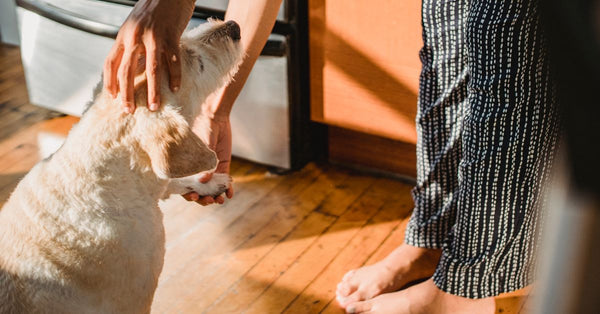
Watching your dog enter their senior years can feel bittersweet. The bouncy puppy who once leapt onto the sofa might now need a gentle boost, and those marathon walks may have shortened to leisurely strolls around the block. These changes are natural, but they don't mean your dog's best days are behind them.
With the right care and attention, your senior dog can enjoy comfortable, happy golden years. The key is understanding what changes to expect, when to speak to your vet, and how to adapt your routine to meet their evolving needs. Every dog ages differently, but there are proven ways to support their health and wellbeing throughout this important life stage.
Senior dog care isn't about accepting decline. It's about thoughtful management that helps your companion thrive. From nutrition adjustments to environmental modifications, small changes can make a significant difference to their comfort and quality of life.
Understanding When Your Dog Becomes a Senior
Dogs don't all become seniors at the same age. The timeline depends largely on their size, with larger dogs reaching senior status earlier than their smaller counterparts. This happens because bigger dogs age faster, reaching the final quarter of their expected lifespan sooner.
Small breeds typically become seniors around age 10, whilst medium breeds reach this milestone at approximately 9 years old. Large breeds enter their senior years around 7, and giant breeds may be considered seniors as early as 6 years old.
When dogs become seniors by size category
Understanding your dog's senior timeline helps you prepare for their changing needs. Crossbreed dogs often enjoy longer lifespans than purebreds, demonstrating what veterinarians call 'hybrid vigour'. However, every dog is unique, and some may show signs of ageing earlier or later than these general guidelines suggest.
Common Health Challenges in Senior Dogs
As dogs age, certain health conditions become more common. Being aware of these issues helps you recognise early warning signs and seek appropriate veterinary care when needed.
Joint and Mobility Issues
Osteoarthritis affects many senior dogs, causing joint stiffness and mobility challenges. You might notice your dog taking longer to get up from their bed, showing reluctance to climb stairs, or moving more slowly on walks. These changes can significantly impact their quality of life if left unaddressed.
Joint health becomes increasingly important as dogs age. Supporting joint comfort through appropriate nutrition, gentle exercise, and environmental modifications can help maintain mobility and independence. MedPaw's hip and joint supplement provides targeted nutritional support for senior dogs experiencing joint stiffness and mobility concerns. If you notice signs of discomfort or stiffness, speak to your vet about the best ways to support your dog's joint health.
Cognitive Changes
Like humans, dogs can experience cognitive decline as they age. This might show as confusion, changes in sleep patterns, or altered behaviour. Some dogs may seem disoriented in familiar environments or show less interest in activities they once enjoyed.
Dental Health Concerns
Oral health problems become more common in senior dogs. Dental disease can cause pain, difficulty eating, and even lead to more serious infections if bacteria enter the bloodstream. Regular dental checks become crucial during the senior years.
Internal Health Issues
Kidney disease and heart conditions often develop gradually in senior dogs. These conditions may not show obvious symptoms initially, which is why regular veterinary monitoring becomes so important. Early detection often leads to better management and outcomes.
Essential Veterinary Care for Senior Dogs
Senior dogs benefit from more frequent veterinary attention than their younger counterparts. Instead of annual check-ups, twice-yearly examinations become the gold standard for senior dog care.
These regular wellness visits should include comprehensive blood tests and dental examinations. Your vet can monitor ongoing changes and catch potential problems before they become serious. The phrase "we caught it early" often makes the difference between manageable support and more complex intervention.
Some veterinary practices offer specialised senior pet clinics, providing focused care for older dogs. These appointments typically allow more time for thorough examinations and discussions about age-related changes.
What to Expect During Senior Check-ups
Senior wellness examinations are more comprehensive than routine visits. Your vet will likely perform a thorough physical examination, checking joints, heart, and overall body condition. Blood work helps assess organ function, particularly kidney and liver health.
Don't hesitate to ask questions during these visits. No concern is too small when it comes to your dog's health and wellbeing. Your observations at home provide valuable information that helps your vet assess your dog's overall condition.
Nutrition for Senior Dogs
As dogs age, their dietary requirements change significantly. Around age 7, many dogs benefit from gradually transitioning to a diet specifically formulated for senior dogs. These specialised foods account for the fact that older dogs are typically less active and require fewer calories.
Senior dog nutrition focuses on providing balanced meals with appropriate protein levels whilst supporting weight management. Joint-supporting nutrients become particularly important, along with vitamins that support immune system health and cognitive function.
Making Dietary Changes
Always consult your vet before changing your dog's diet. They can recommend the most appropriate food based on your dog's individual health status and needs. Any dietary transitions should be made gradually over 7-10 days to avoid stomach upsets.
Your vet may also suggest smaller, more frequent meals rather than one or two large portions. This approach can aid digestion and help maintain stable energy levels throughout the day.
Fresh, clean water should always be available. Some senior dogs may drink more or less than usual, so monitoring water intake can provide important health information.
Key nutritional considerations for senior dogs
| Nutritional Focus | Why It Matters | What to Look For |
|---|---|---|
| Reduced calories | Lower activity levels | Age-appropriate portions |
| Quality protein | Muscle maintenance | Easily digestible sources |
| Joint support | Mobility comfort | Glucosamine, omega-3s |
| Digestive health | Slower metabolism | Prebiotics, fibre |
For guidance only, not a diagnosis.
Exercise and Activity Modifications
Senior dogs still need regular exercise, but their activity requirements change. Physical movement helps prevent weight gain, maintains muscle tone and joint flexibility, and provides essential mental stimulation through exploration and social interaction.
The key principle for senior dog exercise is "little and often." Rather than one long walk, consider shorter, more frequent outings that respect your dog's physical limitations whilst keeping them active and engaged.
Adapting Exercise Routines
Low-impact activities become increasingly valuable for senior dogs. Swimming provides excellent exercise with minimal joint stress, whilst gentle walks on soft surfaces are easier on ageing paws and joints.
Watch for signs that your dog needs a rest during activities. Heavy panting, reluctance to continue, or lying down during walks may indicate they've reached their limit. Respecting these signals helps prevent overexertion whilst maintaining fitness.
Practical Exercise Tips
Consider using ramps to help your dog get in and out of cars, reducing the need for jumping. Light playtime and gentle stretching can also support joint flexibility. Mental stimulation through sniffing and exploring during walks provides enrichment even when physical activity is limited.
Supporting Joint Health and Comfort
Joint stiffness and mobility challenges are common concerns for senior dog owners. Practical measures can significantly improve your dog's comfort and maintain their independence for longer.
Orthopaedic bedding provides better support for ageing joints, whilst raised food and water bowls can reduce strain on the neck and back. Installing ramps or steps to favourite resting spots eliminates the need for jumping, which can be uncomfortable for dogs with joint stiffness.
Environmental Modifications
Simple changes around your home can make a big difference to your senior dog's daily comfort. Non-slip mats on smooth floors prevent falls, whilst ensuring easy access to food, water, and sleeping areas reduces unnecessary strain.
Weight management becomes crucial for joint health. Extra weight puts additional stress on already compromised joints, so maintaining an appropriate body condition is one of the most important things you can do for your senior dog's mobility.
Mental Stimulation and Enrichment
Cognitive health remains important throughout your dog's senior years. Mental stimulation helps maintain brain function and can slow cognitive decline. Interactive toys and puzzle feeders provide engaging challenges that keep minds active.
Training refreshers can be particularly beneficial. Short, positive training sessions provide mental exercise whilst reinforcing the bond between you and your dog. Even simple commands or tricks can offer valuable cognitive stimulation.
Creating a Calm Environment
Senior dogs often appreciate quieter environments with less chaos. Providing a peaceful retreat where they can rest undisturbed helps manage stress and supports overall wellbeing. Different toys rotated regularly can prevent boredom without overwhelming them with too many choices at once.
Environmental Adaptations for Senior Dogs
As dogs age, they may need additional support to stay comfortable in various weather conditions and environments. Older dogs can struggle with temperature regulation, making protective coats valuable for cold weather and rain.
Creating comfortable resting areas becomes increasingly important. Senior dogs may sleep more than they used to, so ensuring they have supportive, warm bedding in quiet locations helps promote quality rest.
Safety Considerations
Senior dogs may have reduced vision or hearing, making them more vulnerable to accidents. Good lighting in areas they frequent, along with consistent furniture placement, helps them navigate safely. Avoiding sudden changes to their environment reduces confusion and stress.
Recognising When to Seek Veterinary Care
Understanding the difference between normal ageing and concerning changes is crucial for senior dog owners. Many symptoms that owners attribute to "just old age" may actually have manageable medical causes.
When to contact your vet about senior dog changes
Gradual Changes
Slight slowing down, shorter walks, more sleep - normal ageing signs to discuss at next check-up
Noticeable Changes
Hesitation with stairs, reduced appetite, increased drinking - book appointment within days
Concerning Signs
Obvious pain, refusing food, excessive panting, sudden behaviour changes - immediate veterinary attention needed
Key Warning Signs
Limping or obvious signs of discomfort should never be ignored. Similarly, persistent loss of appetite, significant changes in drinking habits, or excessive panting warrant prompt veterinary attention. Understanding when to seek veterinary care for limping can help you make informed decisions about your senior dog's health. Sudden behavioural changes, unexplained weight loss, or dramatic increases in sleeping may indicate underlying health issues that need professional assessment.
Four changes commonly bring senior dog owners to the vet: significant slowing down, increased panting and drinking, appetite changes, and sleeping all day. While these might seem like normal ageing, they often have manageable causes. Your vet can help determine whether these changes require attention or are part of natural ageing.
The Importance of Early Intervention
Being observant and proactive about changes in your senior dog's behaviour or health can significantly improve outcomes. Early detection and intervention often lead to better management of age-related conditions and improved quality of life.
Regular monitoring at home complements professional veterinary care. Keep notes about changes you observe, including when they started and how they've progressed. This information helps your vet assess your dog's condition more effectively.
Building a Care Team
Consider building relationships with veterinary professionals who understand senior dog care. Some practices offer extended appointment times for senior pets, allowing more thorough discussions about your dog's changing needs.
Financial Planning for Senior Dog Care
Veterinary costs can increase as dogs age, with more frequent check-ups and potential support for age-related conditions. Planning ahead financially helps ensure you can provide necessary care when your dog needs it most.
Pet insurance can be particularly valuable for senior dogs, though coverage options may change as dogs age. Discussing insurance options early in your dog's life often provides better coverage and value.
Maintaining Quality of Life
Even if your senior dog can't enjoy the long adventures they once did, there are countless ways to spend meaningful time together. Focus on activities that suit their current abilities whilst maintaining the special bond you share.
Gentle grooming sessions, quiet companionship, and adapted play can all contribute to your dog's happiness. Assessing quality of life in dogs with arthritis provides valuable guidance for ensuring your senior dog remains comfortable and content. The goal isn't to maintain their previous activity level, but to ensure they remain comfortable, engaged, and loved throughout their golden years.
Remember that senior dog care is about adaptation, not limitation. With thoughtful adjustments to their routine, environment, and care, your senior dog can continue to be a cherished family member, enjoying comfort and contentment in their later years.
At what age should I start considering my dog a senior?
The age when dogs become seniors varies by size. Small breeds (under 10kg) typically reach senior status around 10 years old, medium breeds at about 9 years, large breeds around 7 years, and giant breeds as early as 6 years old. This happens because larger dogs age faster than smaller ones. Every dog is unique though, so some may show signs of ageing earlier or later than these general guidelines.
How often should senior dogs see the vet?
Senior dogs benefit from twice-yearly veterinary check-ups rather than the annual visits suitable for younger dogs. These more frequent examinations allow your vet to monitor ongoing changes and catch potential problems early. Senior wellness visits typically include comprehensive blood tests and dental examinations to assess organ function and overall health.
What are the warning signs that my senior dog needs immediate veterinary attention?
Contact your vet immediately if you notice obvious signs of pain, refusal to eat, excessive panting, or sudden behaviour changes. Other concerning signs include limping, persistent loss of appetite, significant changes in drinking habits, or unexplained weight loss. Whilst some slowing down is normal with age, dramatic changes often have manageable medical causes that need professional assessment.
Should I change my senior dog's diet and exercise routine?
Yes, senior dogs typically need dietary and exercise adjustments. Around age 7, many dogs benefit from senior-specific food with fewer calories and joint-supporting nutrients. Exercise should shift to shorter, more frequent outings rather than long walks, focusing on low-impact activities like gentle walks and swimming. Always consult your vet before making dietary changes to ensure they suit your dog's individual health needs.
Can joint supplements help my senior dog's mobility?
Joint supplements may help support your senior dog's mobility and comfort as part of a comprehensive care approach. These complementary feeds are designed to support joint health alongside proper nutrition, appropriate exercise, and environmental modifications like orthopaedic bedding and ramps. If you're concerned about your dog's joint comfort or mobility, speak to your vet about the best ways to support their needs.