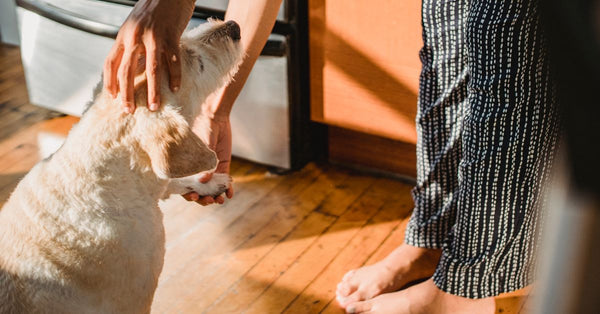
When your beloved dog suddenly cries out as you lift them up, it can be deeply concerning. That sharp yelp or whimper often signals discomfort, and whilst there are various reasons why dogs vocalise during handling, joint pain and mobility issues are among the most common culprits, particularly in older dogs or certain breeds prone to joint problems.
Understanding why your dog might be experiencing discomfort when picked up is crucial for their wellbeing. Joint-related pain can develop gradually, meaning you might only notice it when your dog is moved in ways that put pressure on sensitive areas. The good news is that recognising these signs early allows you to take supportive steps and work with your vet to keep your dog comfortable.
Let's explore the various reasons behind this behaviour and what you can do to help your four-legged friend feel more at ease.
Common Joint-Related Causes of Pain When Lifted
Joint discomfort is one of the primary reasons dogs cry when picked up. As dogs age, their joints naturally experience wear and tear, leading to stiffness and sensitivity that becomes apparent during handling.
Hip dysplasia is particularly common in larger breeds and can cause significant discomfort when pressure is applied to the hip area during lifting. Dogs with this condition often find it painful when their hindquarters are supported, as the malformed hip joint creates ongoing discomfort.
Elbow problems can also trigger pain responses when you lift your dog under their front legs. The elbow joint bears considerable weight and stress, making it vulnerable to conditions like elbow dysplasia or arthritis.
Spinal issues, including intervertebral disc problems or general spinal arthritis, can cause pain anywhere along your dog's back. When you pick up your dog, you're inevitably putting some pressure on their spine, which can be uncomfortable if there are underlying issues.
If you notice persistent signs of discomfort or any changes in your dog's behaviour, it's important to speak with your vet for proper assessment and guidance.
Signs of joint discomfort when handling your dog
Occasional soft whimper
Your dog makes a quiet sound but settles quickly once lifted. May show slight tension in their body.
Consistent vocalisation
Your dog regularly cries when picked up and may try to avoid being lifted. Shows clear signs of anticipating discomfort.
Sharp cries or aggression
Loud vocalisation, possible snapping or biting, trembling, or complete refusal to be handled. Requires immediate veterinary attention.
Age-Related Joint Changes
As dogs mature, their joints undergo natural changes that can make handling more uncomfortable. Senior dogs often develop arthritis, a condition where the cartilage in joints breaks down over time, leading to inflammation and discomfort.
The process typically begins subtly. You might notice your dog takes a moment longer to get up from their bed or seems slightly stiff after rest. However, when you pick them up, the compression and movement of arthritic joints can cause immediate discomfort.
Cartilage deterioration is a key factor in age-related joint problems. This smooth tissue that cushions joints becomes thinner and less effective at absorbing shock, meaning that normal movements and handling can become uncomfortable.
Muscle weakness often accompanies joint problems in older dogs. When supporting muscles become weaker, joints bear more stress, making them more sensitive to pressure during lifting.
Breed-Specific Considerations
Certain breeds are genetically predisposed to joint problems that can make being picked up uncomfortable. Understanding your dog's breed-specific risks can help you recognise potential issues early.
Large breeds like German Shepherds, Labrador Retrievers, and Golden Retrievers commonly develop hip and elbow dysplasia. These conditions can cause discomfort when pressure is applied to the affected joints during lifting.
Small breeds face different challenges. Toy breeds like Chihuahuas and Yorkshire Terriers are prone to luxating patella (kneecap dislocation) and can be particularly sensitive to how they're handled.
Long-backed breeds such as Dachshunds and Basset Hounds are susceptible to spinal problems. Their elongated spine puts them at higher risk for disc issues, making them especially sensitive to improper lifting techniques.
Non-Joint Related Causes
Whilst joint problems are common, other issues can also cause your dog to cry when picked up. It's important to consider these possibilities to ensure you're addressing the right concern.
Muscle strains or injuries can develop from overexertion during play or exercise. A pulled muscle in the back, shoulders, or hindquarters can make lifting uncomfortable, even if the joints themselves are healthy.
Skin conditions or wounds might not be immediately visible, especially in long-haired breeds. A tender spot, cut, or irritation could be the source of discomfort when pressure is applied during lifting.
Internal issues such as abdominal discomfort can also cause vocalisation when picked up. If your dog has digestive problems or other internal discomfort, the pressure from being lifted might exacerbate their unease.
Sometimes, dogs develop anxiety around being handled, particularly if they've had negative experiences with lifting in the past. This behavioural response can manifest as crying or whimpering even without physical discomfort.
Proper Lifting Techniques
Learning to lift your dog correctly can significantly reduce discomfort and prevent injury. The right technique varies depending on your dog's size and any existing health concerns.
For small dogs, support both the chest and hindquarters simultaneously. Place one hand under the chest behind the front legs, and the other under the bottom, supporting the back legs. This distributes weight evenly and reduces strain on any single area.
Medium to large dogs require a different approach. Support their chest with one arm while using your other arm to support their hindquarters. Keep their body close to yours to provide stability and reduce the feeling of being suspended.
Avoid lifting by the front legs alone, as this puts excessive strain on the shoulders and can be particularly uncomfortable for dogs with joint issues. Similarly, never lift a dog by their scruff or collar area.
Move slowly and deliberately when lifting. Sudden movements can startle your dog and potentially cause injury if they struggle or twist while being lifted.
When to Consult Your Vet
Recognising when your dog's crying during lifting requires professional attention is crucial for their health and comfort. Some situations warrant immediate veterinary consultation.
If your dog's vocalisation when picked up is new or has suddenly worsened, this could indicate an acute injury or the progression of an existing condition. Don't wait to see if it improves on its own.
Any signs of severe discomfort, such as loud crying, attempts to bite when touched, or complete refusal to be handled, require prompt veterinary attention. These behaviours suggest significant discomfort that needs professional assessment.
Watch for accompanying symptoms like limping, reluctance to move, changes in appetite, or altered behaviour. When crying during lifting occurs alongside other signs, it often indicates a more serious underlying issue.
Your vet can perform a thorough examination to identify the source of discomfort and recommend appropriate treatment options, which might include management strategies, physiotherapy, or other supportive measures.
Supporting Your Dog's Joint Health
There are several ways you can help support your dog's joint health and potentially reduce discomfort during handling. A multi-faceted approach often works best.
Weight management plays a crucial role in joint health. Excess weight puts additional strain on joints, making movement and handling more uncomfortable. Work with your vet to ensure your dog maintains an optimal weight.
Regular, gentle exercise helps maintain joint mobility and muscle strength. Swimming is particularly beneficial as it provides exercise without putting stress on joints. Short, frequent walks are often better than long, strenuous sessions.
Consider your dog's sleeping arrangements. Orthopaedic beds can provide better support for joints during rest, potentially reducing stiffness that makes handling uncomfortable.
Joint supplements containing ingredients like glucosamine, chondroitin, and green-lipped mussel can support joint health as part of a comprehensive care plan. MedPaw's hip and joint supplement works best when used consistently alongside other supportive measures.
Environmental Modifications
Making simple changes to your dog's environment can reduce the need for lifting and make necessary handling more comfortable.
Ramps or steps can help your dog access favourite spots like sofas or beds without needing to be lifted. This is particularly helpful for dogs with joint issues or those recovering from injury.
Non-slip surfaces on smooth floors can help your dog feel more secure and reduce the risk of slips that might cause injury or increase anxiety around movement.
Raised food and water bowls can reduce the need to bend down, which might be uncomfortable for dogs with neck or back issues. This small change can make daily activities more comfortable.
Consider the height of your dog's regular resting spots. Lower beds or cushions on the floor might be more accessible than high furniture, reducing the need for assistance.
Creating Positive Associations
Helping your dog feel more comfortable with handling can reduce anxiety and make necessary lifting less stressful for both of you.
Practice gentle handling exercises when your dog is relaxed and comfortable. Start with brief, gentle touches and gradually work up to short lifting sessions, always rewarding calm behaviour with treats and praise.
Use a calm, reassuring voice when you need to lift your dog. Dogs pick up on our emotions, so staying relaxed yourself can help them feel more at ease.
Consistency in your approach helps build trust. Always use the same lifting technique and take your time, allowing your dog to anticipate and prepare for being handled.
If your dog shows signs of anxiety around lifting, consider working with a qualified dog behaviourist who can help develop a gradual desensitisation programme.
Monitoring Your Dog's Comfort
Keeping track of your dog's response to handling can help you identify improvements or concerns that need addressing.
Note any changes in your dog's vocalisation patterns. Are they crying less frequently, or has the intensity of their response changed. These observations can be valuable information for your vet.
Watch for improvements in mobility and general comfort levels. Dogs who are feeling more comfortable often show increased willingness to move around and engage in normal activities.
Pay attention to your dog's body language before and during lifting. Tension, trembling, or attempts to escape may indicate ongoing discomfort that needs attention.
Regular check-ins with your vet can help ensure that any supportive measures you're taking are appropriate and effective for your dog's specific needs.
Is it normal for older dogs to cry when picked up?
It's quite common for senior dogs to vocalise when lifted due to age-related joint changes like arthritis. As dogs mature, their cartilage naturally deteriorates and joints become stiffer, making handling uncomfortable. However, if this behaviour is new or worsening, it's important to speak with your vet for proper assessment.
Should I stop picking up my dog if they cry?
If your dog consistently cries when lifted, try to minimise unnecessary handling whilst you investigate the cause. Use proper lifting techniques when you must pick them up, supporting both their chest and hindquarters. Consider environmental modifications like ramps or steps to reduce the need for lifting, and consult your vet to identify any underlying issues.
What's the correct way to lift a dog with joint problems?
Support your dog's weight evenly by placing one hand under their chest behind the front legs and the other under their hindquarters. Move slowly and keep their body close to yours for stability. Never lift by the front legs alone or make sudden movements, as this can worsen discomfort for dogs with joint sensitivities.
Could my dog's crying when lifted indicate something serious?
Sudden onset of crying when lifted, severe vocalisation, or accompanying symptoms like limping or behaviour changes can indicate serious issues requiring veterinary attention. Whilst mild discomfort might be manageable, persistent or worsening signs warrant professional assessment to rule out conditions like spinal problems or acute injuries.
Can joint supplements help dogs who cry when picked up?
Joint supplements containing ingredients like glucosamine and chondroitin may help support overall joint health as part of a comprehensive care plan. However, they work best alongside other measures like weight management and gentle exercise. If your dog is showing signs of discomfort, speak with your vet first to identify the underlying cause and develop an appropriate support strategy.