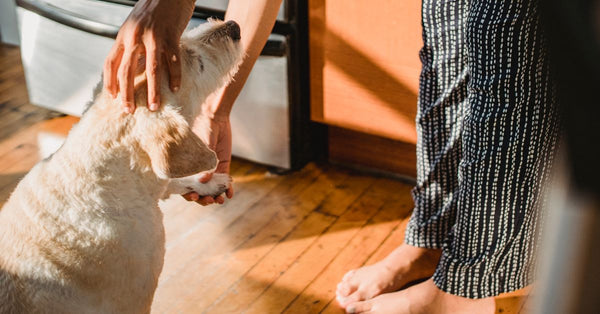
Watching your dog struggle to get up from their bed or favourite spot can be heart-wrenching. That moment when they shift their weight, perhaps make a soft groan, and need several attempts before successfully standing tells you something isn't quite right. You're not imagining things, and you're certainly not overreacting by feeling concerned.
This difficulty rising is one of the most common mobility issues affecting dogs, particularly as they age. Whilst it's easy to dismiss as simply "getting older," struggling to stand usually indicates an underlying condition that can be managed effectively with the right approach. Understanding what might be causing your dog's difficulty and knowing when to seek help can make a significant difference to their comfort and quality of life.
The good news is that many dogs showing these signs can experience substantial improvement with appropriate veterinary care and thoughtful home management. Let's explore what might be behind your dog's struggles and how you can help them feel more comfortable.
Understanding Why Dogs Struggle to Rise
When dogs have difficulty getting up, it typically stems from discomfort or weakness affecting the muscles and joints needed for standing. The process of rising from a lying position requires coordination between multiple body systems and places considerable force through the joints, particularly the hips, knees, and spine.
Think of it like this: when your dog lies down, their joints settle into a resting position. Blood flow to the muscles decreases slightly, and in arthritic joints, the synovial fluid that lubricates the joint surfaces becomes less mobile. When they attempt to stand, these "cold" joints and muscles must suddenly bear the full weight of the body whilst moving through their range of motion.
This explains why many dogs appear stiffest during their first attempt to rise, may need multiple tries, and often move more freely once they've been walking for a few minutes. It's not weakness of character or laziness. It's a genuine physical challenge that requires understanding and support.
The Most Common Culprit: Osteoarthritis
Osteoarthritis stands as the primary cause of standing difficulties in dogs. This degenerative joint condition affects the majority of senior dogs, creating a distinctive pattern of symptoms that many owners recognise once they know what to look for.
Dogs with arthritis typically show what veterinarians call "start-up stiffness." They appear most uncomfortable when first attempting to rise, particularly in the morning, after long naps, or following periods of inactivity. You might notice your dog shifting their weight to their front legs whilst working to get their hindquarters up, or adopting a rocking motion to build momentum before standing.
When dogs typically struggle most with arthritis-related stiffness
Occasional morning stiffness
Slight hesitation when rising, improves quickly with movement
Regular difficulty rising
Multiple attempts needed, soft groaning, stiffness after rest periods
Significant daily struggles
Consistent difficulty, reluctance to lie down, visible discomfort
The condition often worsens in cold weather, as lower temperatures can increase joint stiffness. Many owners notice their dogs struggle more on chilly mornings or after particularly active days when the joints have been working harder than usual.
Arthritic dogs may also make soft groaning sounds when rising. Not necessarily from acute discomfort, but from the effort required to overcome the stiffness. This isn't dramatic vocalisation. It's more like the sound you might make when getting up from a deep armchair after sitting for hours.
Why Arthritis Affects Rising So Significantly
During rest periods, arthritic joints lose some of their natural lubrication as synovial fluid becomes less mobile. The joint capsules, often swollen from inflammation, restrict the normal range of motion. When your dog attempts to stand, these joints must suddenly move through their full range whilst bearing weight, creating the characteristic stiffness and discomfort.
Once your dog has been moving for several minutes, the synovial fluid redistributes, the joints warm up, and movement typically becomes easier. This improvement with activity is a hallmark sign that distinguishes arthritis from many other conditions.
Other Conditions That Affect Standing
Whilst arthritis is the most common cause, several other conditions can make rising difficult for dogs. Understanding these possibilities helps you provide better information to your veterinarian and ensures nothing important gets overlooked.
Musculoskeletal Issues
Hip dysplasia creates instability in the hip joints, making the act of rising particularly challenging. Dogs with this condition often struggle more with their hindquarters and may develop a characteristic bunny-hopping gait when moving.
Cruciate ligament tears affect knee stability and can cause sudden or gradual onset of difficulty rising, depending on whether the tear is acute or develops slowly over time. These injuries are surprisingly common and can affect dogs of any age.
Muscle atrophy, whether from reduced activity or age-related muscle loss, creates weakness that makes the physical act of standing more demanding. This often becomes a cycle where reduced activity leads to weaker muscles, which makes movement more difficult, leading to even less activity.
Neurological Conditions
Various neurological issues can disrupt the communication between your dog's brain and their limbs. Intervertebral disc disease, particularly common in long-bodied breeds like dachshunds and corgis, can cause sudden or gradual difficulty with coordination and strength.
Vestibular disease, especially prevalent in senior dogs, affects balance and spatial orientation. Dogs with this condition may struggle to stand not from joint discomfort, but from dizziness and difficulty maintaining their equilibrium.
Degenerative myelopathy represents a progressive condition affecting the spinal cord, typically beginning with subtle weakness in the hindquarters that gradually worsens over time.
Recognising Emergency Situations
Most cases of difficulty rising develop gradually and aren't medical emergencies, but certain symptoms require immediate veterinary attention. Knowing the difference can be crucial for your dog's outcome.
Seek emergency care if your dog experiences sudden inability to stand at all, particularly if they were fine hours earlier. Loss of the ability to walk or dragging of the hind legs represents a neurological emergency that often has better outcomes when addressed quickly.
Signs of severe spinal discomfort, such as crying when the back is touched, arched posture, or reluctance to move the head or neck, require urgent evaluation. Similarly, loss of bladder or bowel control alongside mobility issues suggests serious neurological involvement.
Sudden collapse, loss of consciousness, or paralysis in one or more limbs all warrant immediate veterinary assessment. These symptoms can indicate conditions where hours matter for the potential recovery.
Simple Changes That Make a Big Difference
Whilst veterinary evaluation remains essential for dogs struggling to rise, several home modifications can provide immediate relief and support your dog's mobility.
Creating Better Surfaces
Slippery floors present a particular challenge for dogs with joint discomfort. When dogs attempt to stand and their paws slide, they lose confidence and must exert more force through already uncomfortable joints. This creates a cycle where the fear of slipping makes the physical challenge even greater.
Placing non-slip rugs, yoga mats, or rubber-backed runners along common pathways and near resting areas provides the traction your dog needs to rise with confidence. Focus particularly on the areas around their bed, food bowls, and favourite resting spots.
The investment in proper flooring support often produces surprisingly dramatic improvements in your dog's willingness to move and their apparent comfort level when rising.
Upgrading Their Sleeping Arrangements
Quality orthopaedic bedding can significantly impact how your dog feels when waking up. Standard flat cushions provide minimal joint support, allowing pressure points to develop on hips and shoulders during long rest periods.
Dense memory foam beds distribute weight more evenly and reduce the pressure on individual joints. The bed should be thick enough that your dog doesn't compress through to the floor, yet low enough for easy access. Many dogs show noticeable improvement in morning stiffness within days of switching to proper orthopaedic support.
Factors that influence how much home modifications help
| Factor | High Impact | Moderate Impact | Lower Impact |
|---|---|---|---|
| Floor surfaces | Very slippery floors | Moderately slippery | Already good traction |
| Current bedding | Thin or flat cushions | Adequate but basic | Already orthopaedic |
| Dog's weight | Significantly overweight | Slightly overweight | Ideal weight |
| Activity level | Very sedentary | Some regular activity | Well-exercised |
For guidance only, not a diagnosis.
Supporting Their Movement
Rear-lift harnesses allow you to provide gentle support to your dog's hindquarters during standing and walking. This assistance reduces the load on uncomfortable joints during the most difficult part of the movement and often increases your dog's confidence in their ability to move.
Many dogs become more willing to attempt standing and walking when they know help is available. The harness doesn't do the work for them, but provides just enough support to make the task manageable.
The Importance of Gentle Movement
One of the biggest mistakes well-meaning owners make is allowing their dog to become completely sedentary when they notice difficulty rising. Whilst rest is important during acute flare-ups, complete inactivity creates a downward spiral that makes the problem worse.
Muscles supporting uncomfortable joints atrophy quickly with lack of use. Weaker muscles provide less joint stability, which increases discomfort and makes dogs even less willing to move. This cycle can progress surprisingly rapidly, turning a manageable condition into a much more serious mobility limitation.
Short, gentle walks of 10-15 minutes twice daily often work better than one longer walk or no exercise at all. The goal isn't to exhaust your dog, but to maintain muscle mass and keep joints moving through their range of motion.
Swimming, where available, provides excellent low-impact exercise that maintains fitness whilst reducing joint stress. Many dogs who struggle with land-based exercise move freely and comfortably in water.
Reading Your Dog's Signals
Learning to recognise your dog's comfort level helps you find the right balance of activity and rest. Dogs who are eager to go but tire quickly may benefit from shorter, more frequent outings. Those who seem reluctant to start but improve once moving might need gentle encouragement and patience during the initial phases of activity.
Pay attention to how your dog feels the day after exercise. If they seem stiffer or more reluctant to move, you may have pushed too hard. If they appear brighter and more willing to be active, you've likely found a good level.
Weight Management and Joint Health
Every extra pound your dog carries places additional force on their joints during the challenging act of rising. The relationship between weight and joint comfort is so significant that even modest weight reduction often produces noticeable improvements in mobility.
Overweight dogs with joint issues experience considerably more discomfort and mobility limitation than lean dogs with the same degree of joint changes. This isn't simply about the extra weight. Excess body fat also produces inflammatory compounds that can worsen joint inflammation.
Working with your veterinarian to develop a safe weight management plan ensures your dog loses weight at an appropriate rate whilst maintaining muscle mass. Rapid weight loss can actually worsen muscle weakness, so patience and consistency matter more than speed.
Supporting Joint Health with Daily Supplements
A daily joint supplement containing glucosamine, chondroitin, and green-lipped mussel can support your dog's joint health as part of a comprehensive approach to mobility. These ingredients work together to help maintain healthy cartilage and joint function, supporting your dog's natural mobility alongside other management strategies.
MedPaw's joint supplements for dogs works best when used consistently as part of a broader routine that includes appropriate exercise, weight management, and comfortable sleeping arrangements. They're a complementary feed that supports joint health rather than a standalone solution, working alongside veterinary care to help keep your dog comfortable.
Many owners find that incorporating a daily joint supplement into their dog's routine, combined with the environmental modifications and gentle exercise discussed earlier, helps support their dog's overall comfort and willingness to move.
Working with Your Veterinarian
A proper veterinary evaluation provides the foundation for helping your dog feel more comfortable. Your vet can determine whether the difficulty rising stems from joint issues, neurological problems, or other medical conditions, and this diagnosis guides the most effective approach.
During the examination, your veterinarian will likely assess your dog's gait, joint range of motion, and responses to gentle manipulation. They may recommend blood work to check for infections or systemic diseases, X-rays to evaluate bones and joints, or neurological testing if nerve involvement is suspected.
Be prepared to describe when you first noticed the problem, whether it's been gradual or sudden, what times of day seem worst, and what makes it better or worse. This information helps your vet understand the pattern and narrow down potential causes.
Management options vary widely depending on the underlying condition. Appropriate medications, anti-inflammatory treatments, physical therapy, and in some cases surgical interventions may all play a role in helping your dog feel more comfortable. If you notice signs of discomfort or worsening mobility, speak to your vet about the best approach for your dog.
Supporting Your Dog's Journey
Managing a dog's mobility challenges requires patience, consistency, and realistic expectations. The goal isn't necessarily to return your dog to their younger self, but to provide enough comfort and support that daily activities like getting up don't cause significant distress.
Most dogs show noticeable improvement within weeks when appropriate veterinary care combines with thoughtful home management. Some days will be better than others, and adjustments to the management plan may be needed as conditions change over time.
Remember that your dog takes cues from your emotional state. Approaching their mobility challenges with calm confidence helps them feel more secure and willing to accept help when needed. Your patience during their slower moments and encouragement during their better days both contribute to their overall wellbeing.
The combination of professional veterinary guidance, appropriate home modifications, consistent daily support, and understanding your dog's joint health typically produces the best outcomes for dogs struggling with mobility issues. Early intervention and ongoing attention to their changing needs can help maintain their independence and comfort for as long as possible.
How can I tell if my dog's difficulty getting up is serious enough for a vet visit?
If your dog's struggles to rise have developed gradually over weeks or months, this typically warrants a routine veterinary appointment rather than emergency care. However, you should seek immediate veterinary attention if your dog suddenly cannot stand at all, shows signs of severe spinal discomfort, or experiences loss of bladder or bowel control alongside mobility issues.
Why does my dog seem fine once they're up and moving but struggle so much to get started?
This pattern is very common with arthritis and joint stiffness. During rest periods, synovial fluid that lubricates the joints becomes less mobile, and muscles cool down. When your dog first attempts to stand, these "cold" joints and muscles must suddenly bear full body weight whilst moving through their range of motion. Once they've been moving for a few minutes, the joints warm up and movement becomes easier.
What's the difference between normal ageing stiffness and something that needs treatment?
Normal ageing might cause slight hesitation when rising that improves quickly with movement. However, if your dog needs multiple attempts to stand, makes groaning sounds, shows reluctance to lie down, or appears consistently uncomfortable, these signs suggest an underlying condition that can benefit from veterinary evaluation and management.
Can joint supplements help my dog get up more easily?
A daily joint supplement containing glucosamine, chondroitin, and green-lipped mussel can support your dog's joint health as part of a comprehensive approach. These supplements work best when used consistently alongside appropriate exercise, weight management, and comfortable sleeping arrangements. They support joint function rather than treat specific conditions, so it's important to speak to your vet about the best overall approach for your dog.
Should I stop exercising my dog if they're struggling to get up?
Complete rest often makes the problem worse by allowing muscles to weaken and joints to stiffen further. Instead, focus on gentle, short walks of 10-15 minutes twice daily rather than one longer walk or no exercise at all. The goal is maintaining muscle mass and joint mobility without causing exhaustion. If you're unsure about the right activity level, speak to your vet for guidance specific to your dog's condition.
What home changes make the biggest difference for dogs struggling to rise?
Non-slip surfaces around your dog's bed and common pathways often produce the most dramatic improvements, as slippery floors make standing much more challenging for dogs with joint discomfort. Quality orthopaedic bedding that provides proper joint support during rest can also significantly reduce morning stiffness. These modifications work best alongside veterinary care and appropriate exercise.